
 EN
EN



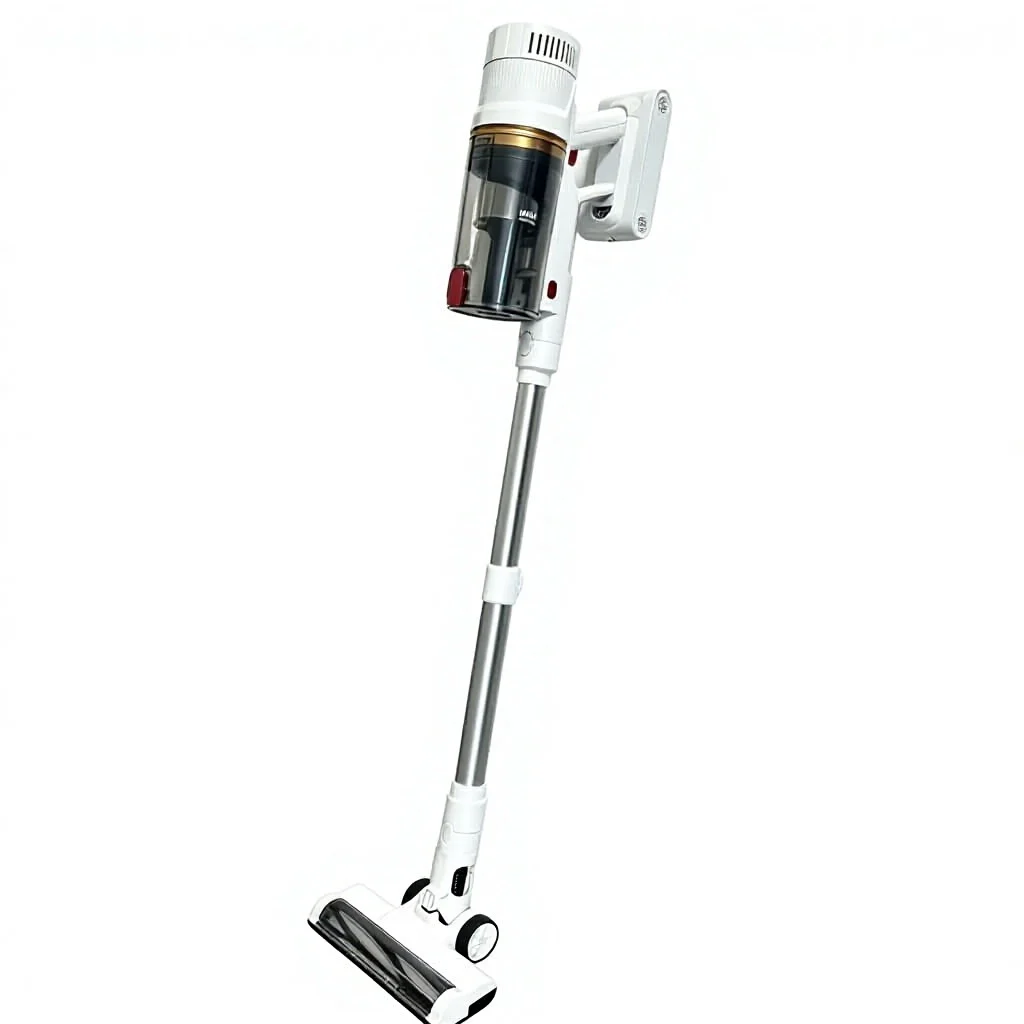
Why Specs Alone Do Not Predict a Good Cleaner
The Gap Between Lab Numbers and Real Homes
A household vacuum cleaner sold on a single wattage figure often disappoints once it meets a real home. Fine dust on baseboards, long hair around rollers, and grit pressed into carpet behave nothing like the clean test surfaces used in brochures. The models that earn trust solve everyday mess through design choices rather than headline numbers. Airflow path, brush agitation, and seal quality decide more than peak motor power, because lost air leaks reduce the force that actually lifts debris.
Real Scenario: A Property Manager's Fleet Purchase
A facilities manager for a chain of small offices in Poland bought sixty identical budget stick vacuums after a low quote. Within four months, twenty units lost suction, and roller bearings jammed on carpet edges. The team replaced them with a household vacuum cleaner line built around a sealed cyclonic bin and a washable HEPA filter. Complaints dropped, and the same units served two cleaning shifts daily for over a year. The lesson was not "buy expensive," but match the machine to the surface and the duty cycle.
How a Household Vacuum Cleaner Actually Works
Suction, Motor, and Airflow Logic
A cordless vacuum relies on a brushless motor spinning an impeller that lowers pressure inside the wand, pulling air and particles toward the bin. The useful measure is airflow at the nozzle, not motor watts, because restrictions in the hose or a loose filter choke the path. Cyclonic separation spins heavy debris out before it reaches the filter, which keeps suction steady as the bin fills. A household vacuum cleaner that leaks air at the wand connection wastes most of its motor power, which is why two machines with identical motors feel completely different in use.
Filtration and What Happens to Fine Dust
Bagless vacuum designs push air through a pleated filter that traps particles down to a stated micron size. A HEPA filtration stage captures allergens and fine dust that would otherwise blow back into the room. The trade-off is airflow: a clogged filter strangles suction, so the better units pair a large surface area with easy washing. Understanding this relationship explains why filter care, not filter brand alone, decides whether a household vacuum cleaner keeps air clean over time.
Standards, Selection, and Care
What CE, ErP, and ISO Guidance Tells Buyers
Reputable manufacturers align with IEC safety requirements and EU marks such as CE, RoHS, and ErP, the last tying standby loss and cleaning efficiency to an energy label. A supplier operating under ISO 9001 controls tends to keep component quality consistent across batches, which matters for a product where one weak seal ruins performance. These references do not name a "best" model, but they separate documented, tested lines from anonymous listings that quote numbers nobody verifies.
Choosing, Using, and Maintaining One
Look for a sealed bin, a rated HEPA or equivalent filter, and stated runtime per mode rather than a single peak figure. A household vacuum cleaner meant for homes with pets needs a tangle-free roller and a larger dust cup. Empty the bin after each use, wash the filter on the maker's schedule, and check the brush for hair wrap weekly. Store the battery between twenty and eighty percent charge to protect capacity. These habits extend life far more than any marketing claim about raw power.
A household vacuum cleaner stands out through quiet competence: steady suction as the bin fills, air that leaves the exhaust cleaner than it entered, and parts that survive daily use. The right choice matches motor, filtration, and build to the home's surfaces and habits, then stays effective through simple maintenance. Treat specifications as a starting point, not the verdict, and the cleaning result speaks for itself.
Frequently Asked Questions
What makes a vacuum cleaner high quality?
Strong, steady suction as the bin fills, a sealed filtration path with a HEPA or equivalent filter, and durable brushes and seals decide quality. Build consistency across units matters as much as headline motor power. A well-designed household vacuum cleaner performs the same on the tenth use as on the first.
How important is HEPA filtration in a home vacuum?
For homes with allergies, pets, or fine dust, HEPA or equivalent filtration keeps exhaust air clean instead of recirculating particles. The filter must be sealed into the airflow, since a leak bypasses the media. Wash or replace it on schedule, because a clogged filter cuts suction regardless of motor strength.
Does higher wattage mean stronger cleaning?
Not directly. Airflow at the nozzle, measured in air watts or litres per second, predicts cleaning better than motor watts. Restrictions, leaks, and clogged filters waste power. A lower-watt cordless vacuum with a tight airflow path often outcleans a higher-watt machine that leaks air through poor seals.
How long should a cordless vacuum battery last?
Runtime depends on mode and cell health, typically twenty to sixty minutes per charge on a quality unit. Avoid fully draining the battery; storing it at partial charge preserves capacity. A household vacuum cleaner used daily should keep most of its range for two to three years before a cell replacement makes sense.
Which vacuum suits homes with pets?
A bagless vacuum with a tangle-free roller, strong sealed suction, and a large dust cup handles pet hair best. Washable HEPA filtration controls dander in the exhaust. Check the brush weekly for hair wrap, and choose a model with tools for upholstery so hair does not migrate to soft surfaces around the home.
How often should vacuum filters be cleaned?
Most washable filters need rinsing every three to four weeks with regular use, then full drying before reinstalling. A clogged filter chokes suction and strains the motor. Replace non-washable media on the maker's timeline. Consistent filter care is the single biggest factor in keeping a household vacuum cleaner performing like new.