
 EN
EN



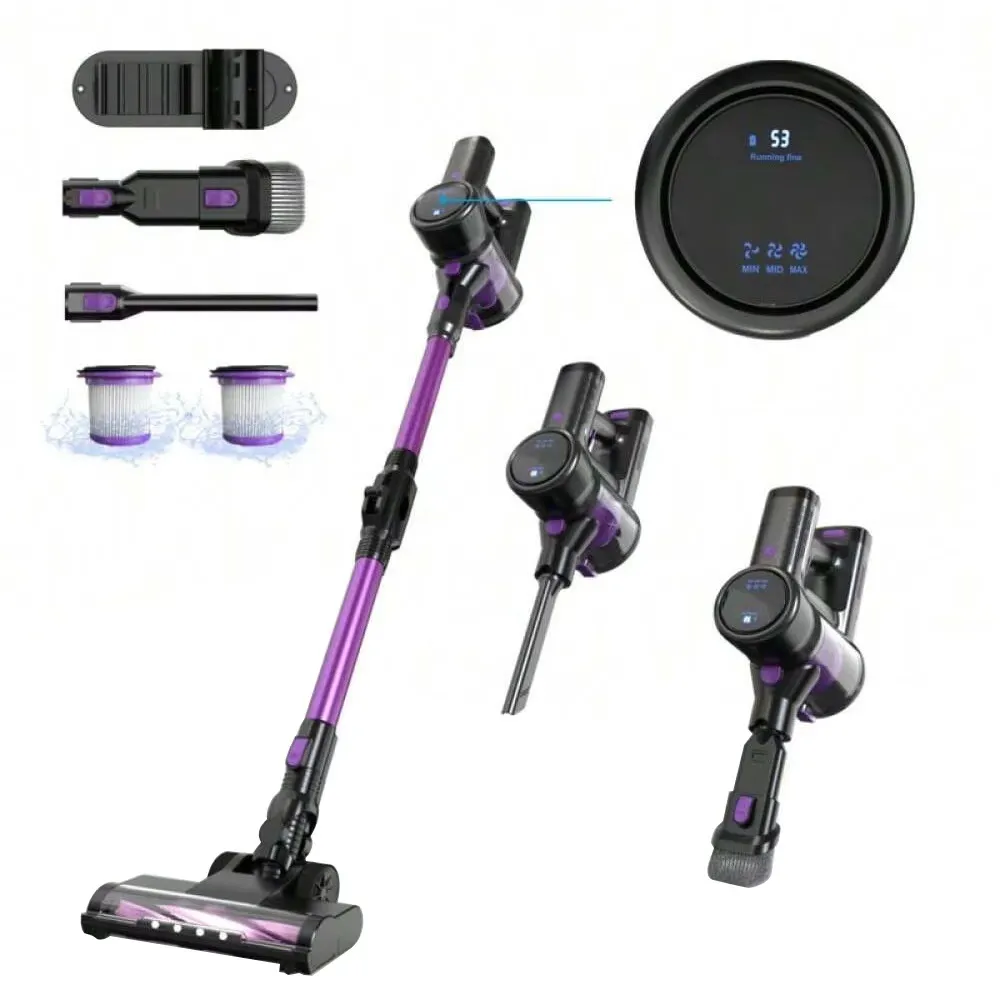
Тез тазалаудан тыс
Қолда ұсталатын сорғыштар терең тазалау үшін қолданылатын толық өлшемді құрылғылар мен автоматтандырылған қолданыс үшін арналған кішкентай роботтық құрылғылар арасындағы нақты ниша алады. Қолда ұсталатын сорғыш — бұл портативтілік, мезгілде қосылу және шектеулі кеңістіктерге қатынас қажет болған кезде, ал сыйымдылық пен жұмыс істеу уақыты екінші орынға шығарылатын құрылғы. Қолда ұсталатын сорғыштың ірі құрылғыларға қарағанда қай жерде артықшылығы бар екенін түсіну — сатып алу әрекетінің шынымен пайдалы болатынын немесе болмайтынын анықтайды.
Автокөлік ішін тазалау
Көлік ішкі бөлігі қолда ұсталатын сорғыштың идеалды қолданыс аймағын көрсетеді. Тар кеңістіктер — отырғыштар арасында, педальдардың астында, есік қапшықтарының ішінде — әртүрлі ластану түрлерімен — құм, жануарлардың түктілері, сынып қант қалдықтарымен — бірге, кабельді ашық көлік есіктері арқылы тартпай, әртүрлі бұрышта орналастыруға болатын құрылғы қажет. 3 фунттан жеңіл қолда ұсталатын сорғышты бас төбесінің астында ұстауға, отырғыштардың астында төңкеріп қоюға және жарықтарға қысып қоюға болады.
Сапалы қолда ұсталатын вакуумдық тазартқыштың аккумуляторы 12–18 минут жұмыс істейді, бұл көліктің ішкі бетін толығымен тазартуға жетеді — орташа седан 6–10 минутта тазартылады. Сымды моделдер уақыт шегін жояды, бірақ пайдаланушыны розеткаға бекітеді, ал бұл 15 футтан (шамамен 4,5 метрден) аса қашықтықта тұрған көліктер үшін қолданысқа қолайлы емес.
Баспалдақтар мен мебельдің жамылғысын нүктелі тазарту
Баспалдақтар толық өлшемді вакуумдық тазартқыштардың әрқайсысының шектеулерін ашады — құрылғы әрбір басқышқа көтерілуі керек, ал шланг пен сым артта қалады. Сымсыз қолда ұсталатын вакуумдық тазартқышты бір қолмен ұстау осы проблеманы шешеді. Тар тазарту басы әрбір өткелде 3–5 дюйм (7,6–12,7 см) аумақты қамтиды, сондықтан толық баспалдақты тазарту толық өлшемді құрылғымен салыстырғанда ұзағырақ уақыт алады, бірақ жедел нүктелі тазарту үшін қолда ұсталатын вакуумдық тазартқыш қолайлырақ.
Жамылғысы бар мебель де осындай жағдайды көрсетеді. Қозғалтқышы бар щеткалы қолда ұсталатын вакуумдық тазартқыш малдың түктіріп қалған түктері мен беттегі тозаңды реттеуге дейінгі дайындық уақытын қажет етпей-ақ алып тастайды. Терең орналасқан ластану әлі де толық өлшемді сорғыш қуатын талап етеді, бірақ күнделікті қолдану үшін қолда ұсталатын вакуумдық тазартқыш өте тиімді.
Үйдегі қол жетпейтін аймақтар
Едендіктер, терезе желілері, тавандардың бұрыштары және әртүрлі заттардың артындағы аймақтар — ескерілмеген аймақтар. Көптеген қолда ұсталатын сорғыштарға кіретін саңылау құралы осы аймақтарға шеберлікпен ұзындықтың иілуінсіз жетеді. Ас үйдегі төгілген заттар — еденде ұн, эспрессо машинасының астындағы кофе ұнтағы, тостер қалпағындағы нан крошкалары — бұл классикалық қолдану жағдайы: аз көлем, қиын орналасқан орын, тез әрекет қажет.
Texous қолда ұсталатын сорғыштардың моделдерін, нақты тазартуға арналған бекітпе құрылғылармен шығарады. Қозғалтқышпен жұмыс істейтін мини-щетка автомобиль отырғыштары сияқты мәтіндік беттерден ластықтарды қозғалтады, ал иілгіш шланг кеңістікті кеңейтеді және автомобильдің жинау бөлмесіне немесе жоғарғы жабындарға жетуге мүмкіндік береді.
Сценарий таңдау көрсеткіші
Қолда ұсталатын сорғыш қашан дұрыс құрал болады
Қолда ұсталатын сорғыш үш шарт орындалған кезде дұрыс таңдалады. Тазарту аймағы кішкентай — 100 шаршы футтан кем. Ластықтар беттік деңгейде, терең емес. Тазартудың жылдамдығы толықтығына қарағанда маңыздырақ. Сағат 6:30-та төгілген күріш барлық үш шартты да қанағаттандырады. Алайда, демалыс күндері отырғыш бөлменің кілемін терең тазарту ешбір шартты қанағаттандырмайды.
Қашан болмайды
Қолда ұсталатын сорғыш бүкіл бөлме еденін тазартуға, терең кілемді тазартуға немесе көп көлемді ластықтарды жинауға арналған емес. Тоңазытқыш көлемі 0,5–1 литр болып, әрбір 200–300 шаршы футта толады. Аккумуляторлы моделдер толық қуатта 12–20 минут жұмыс істейді — бұл детальды тазартуға жеткілікті, бірақ ұзақ уақытты еденді тазартуға жарамайды.
Практикалық мысал: Жол сервистерінің автопаркін тазартуды оптимизациялау
85 автокөлікпен басқарылатын жол сервистерінің автопаркі операторы әрбір пассажирлар арасындағы ішкі бөлменің тазалығын сақтауға мәжбүр болды. Тазарту стандарттары әртүрлі болды — кейбір көліктерде кешкі сағаттарда тез тамақ тасымалдау кезінде төрт-бесінші рейс кезінде көрінетін ластықтар жиналды.
Флот операторы әрбір көлікке багаж бөлмесінде сақталатын сымсыз қолда ұсталатын сорғыш орнатты. Суретшілер ридерлер арасында едендегі кілемшелерді, отырғыштарды және есік қалтасын тазарту үшін 3 минуттық жедел тазалау жүргізді. Флот басқарушылары алты ай ішінде тазалыққа қатысты шағымдардың 23 пайызға азайғанын хабарлады. Қолда ұсталатын сорғыш бағдарламасының әрбір көлікке шамамен 55 долларлық құны болды; бұрын әр екі-үш күн сайын қажет болған 15 пен 25 доллар арасындағы сыртқы-ішкі тазалау қызметінің орнына қолданылды.
Флот Texous компаниясынан құрылғыларды сатып алды — бұл B2B клиенттеріне қатысты сорғыш шешімдерін ұсынатын, өзіндік бренділеу мен флоттарға арналған тапсырыс бағаларын қамтамасыз ететін өндіруші. 15 минуттық жұмыс істеу уақыты мен 0,6 литрлік сыйымдылығы ридерлер арасындағы тазалау циклына сәйкес келді.
Жиі қойылатын сұрақтар
Қолда ұсталатын сорғыш үйде қолдану үшін толық өлшемді сорғыштың орнына қойыла ма?
Қолда ұсталатын сорғыш жедел тазалауға, баспалдаққа, мебельге және көлікке қолдануға өте жақсы келеді, бірақ бүкіл бөлменің еденін тазарту үшін көлемі мен қуаты жеткіліксіз. Ол көптеген үйлерде қосымша құрал ретінде қолданылады.
Сымсыз қолда ұсталатын сорғыштың типтік аккумулятор өмірі қандай?
Ең сапалы қолда ұсталатын күртіктер толығымен зарядталған кезде 12–20 минут жұмыс істейді. Бұл жұмыс уақыты ұзақ мерзімді пайдалануға емес, әсіресе көпшілік қызмет көрсету тапсырмаларына бағытталған. Жоғары қуатты режімде жұмыс істеу уақыты 30–40 пайызға азаяды.
Қапшықсыз қолда ұсталатын күртіктер қапшықты моделдерге қарағанда қолдануға оңай ма?
Қапшықсыз модельдер тұтынуға арналған қапшықтардың құнын жояды, бірақ фильтрді 5–10 рет пайдаланғаннан кейін тазарту қажет. Фильтрден өтіп кеткен ұсақ шаң двигателдің корпусында жиналып, уақыт өте келе құрылғының өнімділігін төмендетеді.
Қолда ұсталатын күртік үшін қандай тиісті қосымша құрылғылар қажет?
Сыңар тесікке арналған құрылғы, жануарлардың түктілері үшін моторландырылған щетка және иілгіш созылатын шланг — бұл үш ең пайдалы қосымша құрылғы. Texous B2B тұтынушылар үшін қолда ұсталатын күртіктерге арналған қосымша құрылғылар жиынтығын қамтиды.
Неге қолда ұсталатын күртігім бірнеше минут пайдаланғаннан кейін сорғыштығын жоғалтады?
Фильтрдің тұтылуы — ең көп кездесетін себеп: ұсақ шаң фильтр бетін қаптайды және ауа ағысын төмендетеді. Фильтрді тазарту немесе алмастыру құрылғының өнімділігін қалпына келтіреді. Шаң жинағыш ыдыс толығымен толып кетсе, ауа ағысы да шектеледі.
Қолда ұсталатын сорғыштар ит пен мысық түйіршіктерін алу үшін тиімді ме?
Қозғалтқышпен жабдықталған щеткалы тіркеме міндетті. Тек сору ғана орындайтын стандарттық төсемдер беткі қабаттағы түйіршіктерді алады, бірақ теріге енген түйіршіктерді қалдырады. Ит пен мысық түйіршіктерін алу үшін арнайы тіркемелері бар қолда ұсталатын сорғыштар мебельдің жағынан толық өлшемді сорғыштармен салыстырғанда осындай нәтиже береді.