
 EN
EN



Правилна сила засјекања за проблеме чишћења возила
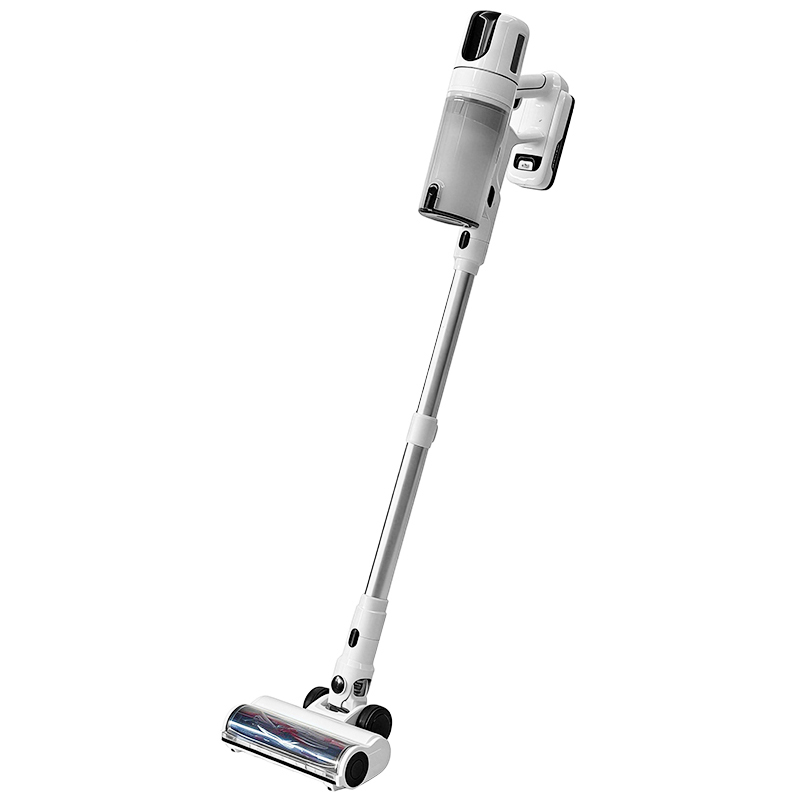
Проблем чишћења возила је другачији, тако да се неразумним трошковима избегава одређивање снаге сисања у складу са вашим случајем употребе. Под 60 Вт је погодан за редовно праширање, али није довољан за велике остатке. Ово је важна тачка за избор прашива за ваш аутомобил.
Компактни аутомобили: живот батерије и ефикасност на првом месту
Мале кабине захтевају лагану тежину (мање од 3 фунте), бесжичне јединице и моторе од 60 до 80 вата. Трајање батерије је важније од максималне снаге, са 15 и више минута чишћења седишта и подова без потребе за пуњењем. Истраживања показују да 73% власника компактних аутомобила више воли брз приступ и једноставност коришћења од бруталне силе усисања.
Миниван и СУВ: Дубок тепих, проливања и породични остаци
Дубоки тепихи и редовне разлије захтевају 100 до 140 вата усисања и запечаћену HEPA филтрацију која улаже 99,97% честица до 0,3 микрона. Независно тестирање водећег произвођача показало је да 5000 Па (0,5 кПа) усисања подиже житарице и сличне остатке, што је савршено за породична возила са великим саобраћајем.
Вожњаци са захтевима за тешке послове: камиони, РВВ-ови и вакуум за кућне љубимце
Тркачи на радном месту или превозници кућних љубимаца требају моторе индустријске класе од 140 вата и више са 4 000 до 8 000 Па усисања. Циклонична филтрација која се може перети и шланце са металним појачањима су од суштинског значаја за рад са песком и гравом или матом кожема кућних љубимца, које су уобичајене тачке неуспеха за стандардне моделе.
Оптимизација димензија за тежину, величину и преносивост у распореду возила
Седани и хетцхбекови: Решења за компактне ручне вакууме аутомобила
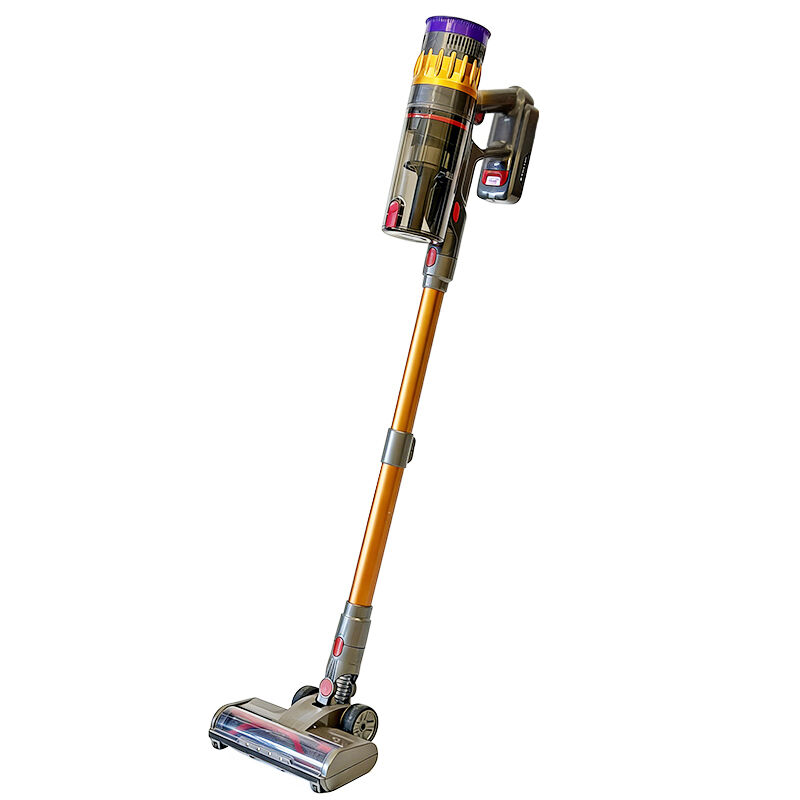
Када чистите мање возила, размислите о употреби ручних прашиваца који тежи мање од 5 килограма и који имају удобан држач. Ови вакуумски модели су идеални за чишћење замка од прљавштине и смећа, посебно празнина између пода и седишта. Најприкладнији прашивачи су безжични и имају време рада од најмање 20 минута, што омогућава непрестано чишћење целе унутрашње делове возила. Које су карактеристике важније? Делови који се могу уклонити да би се опрали филтери који ухватили све остатке, укључујући и причвршћивање за остатке од чаша за кафу и магнетно причвршћивање постављено на таблу. Ови произвођачи прашина имају тенденцију да суже ширину чистилаца на мање од 4 инча тако да се прашок може ставити директно поред предњег седишта путника. Истраживање спроведено за овај сегмент тржишта такође је показало да огромна већина власника седана жели да има вакуум који је мањи од кутије за ципеле, а већина њих жели да буде много мањи за свакодневну употребу.
ДВВ, камиони и РВ: Флексибилност без жица у правцу или у багажницу
Када је реч о системима за чишћење, великим платформама треба нешто флексибилно. Леки вертикални модели, који теже мање од пет килограма, имају шланге које се протежу до трећег реда седишта. С друге стране, модели који се постављају на багажницу се налазе у распону руке и не троше простор за складиштење. Уверите се да проверите колико ће батерија трајати и да ли модел има 40 ампера или бољу снагу сисања за употребу у великим саобраћајним саобраћајима. Батерија са брзим ослобађањем ће бити вољена власницима РВ-а, док ће гумене држеће бити вољене власницима камиона када се јединица држи на неравноправним путевима. Ове две карактеристике су истакњене као најтраженије у прошлогодишњим извештајима потрошача о додацима за возила. И не можемо заборавити оне јединице са 10 метара шланга. Они се побрину да кревет вашег камиона остане чист и да се на крају не заплете.
Користите специјалне причвршћења за целокупну унутрашњу покривљиву
Уређаји за теске просторе: резне млазнице и четкице за вентилације, носиоце чаша и конзоле
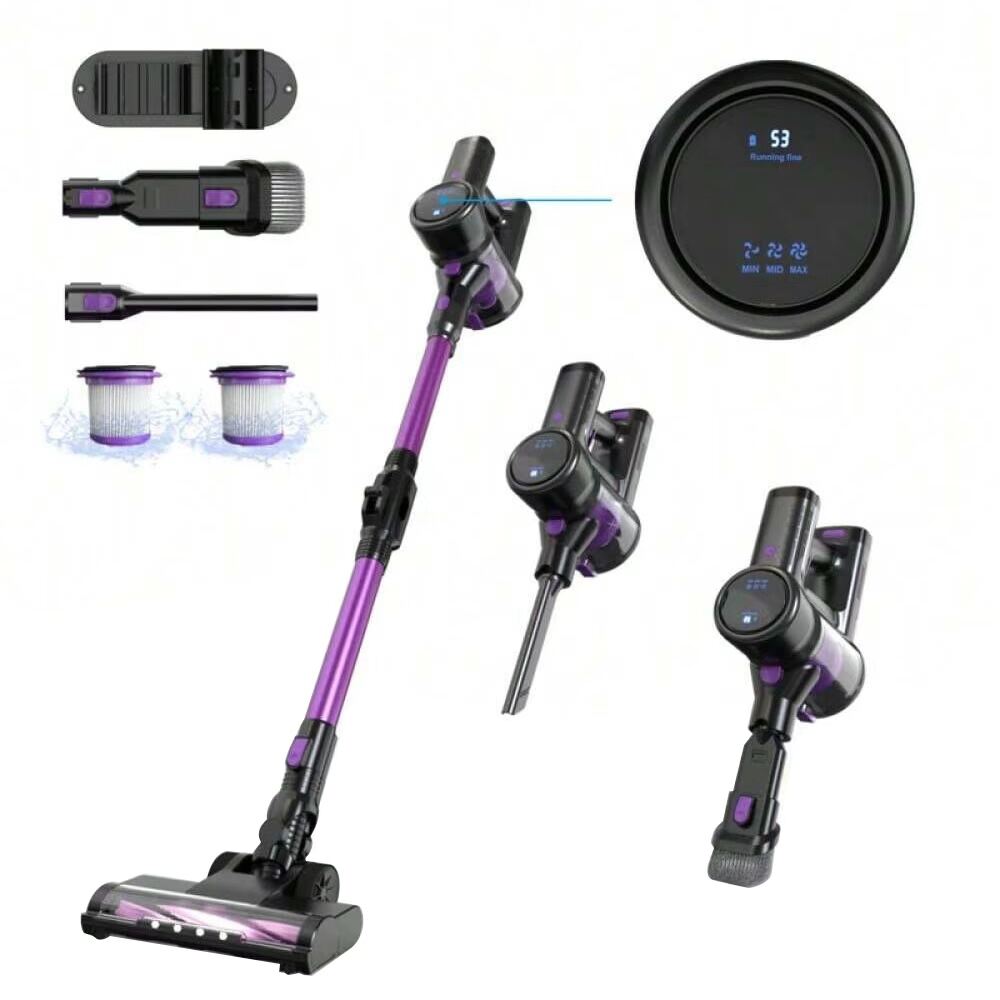
Када се тражи да се очисте те тешке области унутар возила, стандардне вакуумске млазнице сигурно неће успети. Ту долази до тога када се користе алати за растојање, посебно оне који су само 0,2 инча у пречнику. Ови алати су савршени за места која већина људи не би се усудила да очисти, као што су жлебови за седиште, пукотине у прозорним пломбама и вентилације. Да бисте очистили тврду и тврдоглаву прљавштину у тканиним седиштима и подним матема, потребан вам је дебљи, крути четкац од четкице. Да бисте заштитили и избегли гребење на екранима са додирним екраном и на тим елегантним, модерним црним пианоним цртама, користићете четку за прашење. Флексибилни растојавачи вам омогућавају да достигнете и очистите око чудних облика, као што су одјељци за носиоце чаша и између компоненти конзоле. Већина водећих вакуумских брендова има нову технологију за прелазак алата која вам омогућава да чистите без мацања и значајно ће побољшати вашу способност чишћења. Истраживања из индустрије још увијек показују да алати за расколе достижу до 30% теже области од традиционалних врхова млазница тако да ћете трошити мање времена ручно брисање ствари. Ови јединствени алати заиста подижу стандардне праховице до аутомобилских детаља.
Често постављене питања
Која сила усисања је најбоља за компактне аутомобиле?
За компактне аутомобиле најбоље је користити праховице са мотором снаге 6080Вт. Много је боље нагласити трајање батерије за дужи период употребе, а снага је важнија за дубоко чишћење него само продужено чишћење.
Шта да тражим у прашивачу за SUV и миниван?
За SUV-е и миниван, тражите праховице са силом усисања од 100-140 Вт, запечаћене HEPA филтере и способност да уклоне дубоко уграђене остатке. Ове карактеристике су идеалне за решавање дубоких тепиха и редовних породичних пролива.
Зашто су млазнице за расколе корисне за чишћење аутомобила?
Растојане млазнице су корисне за чишћење аутомобила јер се могу уклапати у уско просторе, а веће млазнице не могу, тако да могу боље чистити тешко доступна подручја као што су трака седишта и вентилационне жлебове.