
 EN
EN



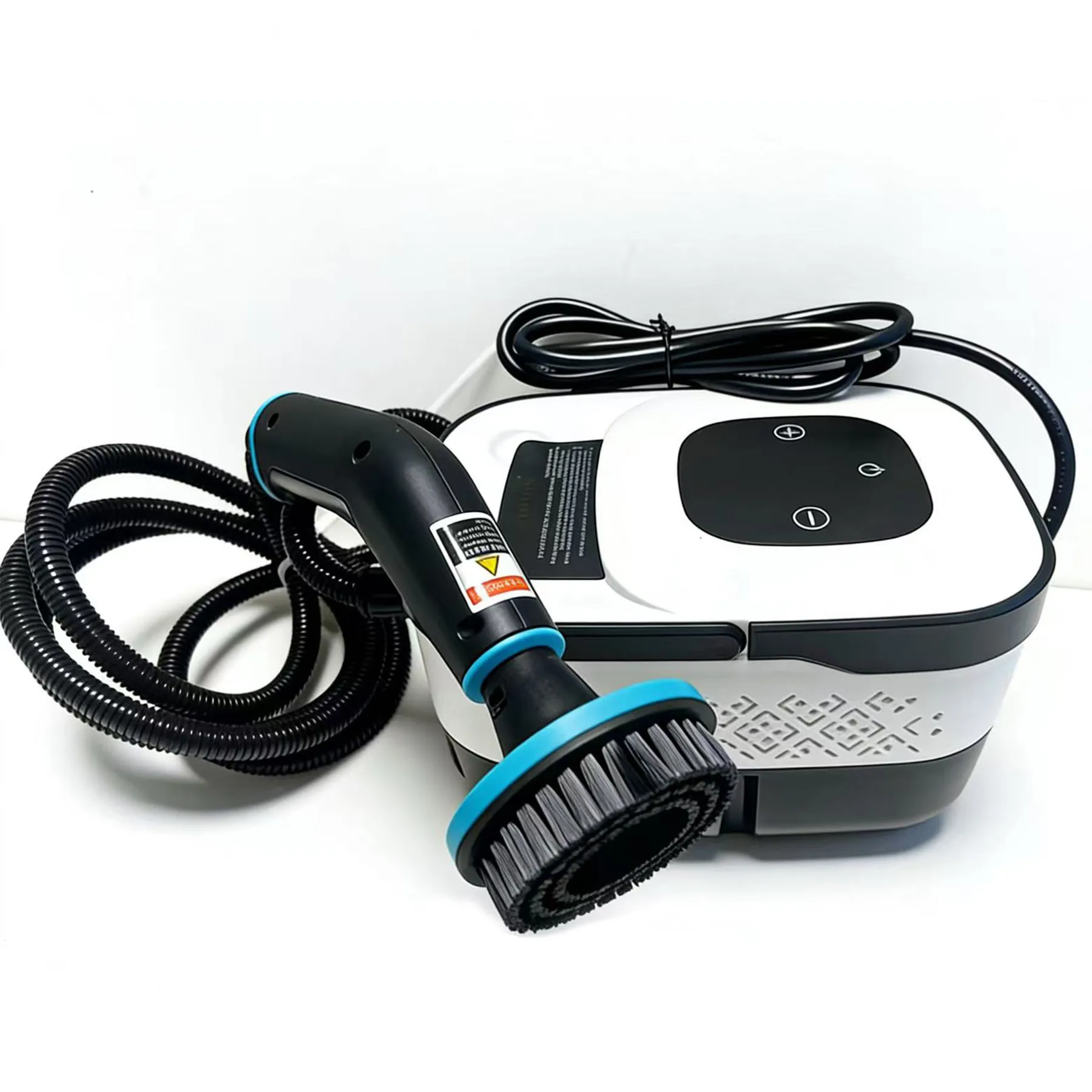
เครื่องนึ่งใช้หลักการเดียวกันกับกระบวนการกำจัดรอยยับ: วิทยาศาสตร์สามขั้นตอน ได้แก่ การทำให้พอลิเมอร์นุ่มตัวลง การทำให้พอลิเมอร์อ่อนตัวด้วยความชื้น และการจัดเรียงโครงสร้างใหม่ภายใต้แรงตึง
ส่วนใหญ่แล้ว เครื่องกำจัดรอยยับบนผ้าจะใช้ไอน้ำและความร้อนเพื่อเป่าอากาศที่มีอุณหภูมิระหว่าง 180°F ถึง 220°F เข้าไประหว่างเส้นใยผ้า เพื่อทำลายพันธะไฮโดรเจนระหว่างสายโซ่พอลิเมอร์ในโครงสร้างของผ้า ความร้อนจะช่วยขจัดสายโซ่ที่แข็งกระด้างออก และลดอุณหภูมิการเปลี่ยนสถานะแบบกระจก (glass transition temperature) ขณะที่ไอน้ำภายใต้ความดันจะดันน้ำลึกลงไปในเนื้อผ้า น้ำนั้นจะทำหน้าที่หล่อลื่นและแยกสายโซ่พอลิเมอร์ออกจากกัน เพื่อให้สามารถเคลื่อนที่ได้อย่างอิสระ เมื่อจับผ้าไว้และปล่อยลำน้ำ (เพื่อใช้ไอน้ำเป็นตัวยึดผ้า) องค์ประกอบพอลิเมอร์และโมเลกุลจะถูกจัดเรียงใหม่ เพื่อให้ผ้าได้โครงสร้างใหม่ที่สามารถใช้งานได้ การจัดเรียงใหม่ขั้นสุดท้ายนี้ทำให้ผ้าดูสะอาดขึ้นหลังผ่านกระบวนการไอน้ำ ทำให้โครงสร้างของผ้าดูคมชัดและสะอาดยิ่งขึ้น
การถ่ายเทความร้อนที่รวดเร็วกว่า การแทรกซึมเข้าสู่เส้นใยได้ลึกกว่า และเวลาที่ใช้ในการสัมผัสลดลง
เมื่อพูดถึงเครื่องนึ่งไอน้ำ แรงดันนั้นแท้จริงแล้วมีผลอย่างมาก ความแตกต่างข้อแรกที่สังเกตได้เมื่อใช้หัวพ่นไอน้ำคือระยะเวลาในการทำงาน ในการศึกษาปี 2021 ที่ตีพิมพ์ในวารสาร Journal of Textile Engineering ระบุว่า ฟองก๊าซจุลภาคที่เกิดขึ้นในเฟสไอระเหยสามารถแทรกซึมผ่านเฟสก๊าซและเฟสของเหลวได้เร็วขึ้นประมาณ 40% เนื่องจากแรงดันที่สูงขึ้น การแทรกซึมความร้อนนี้ช่วยให้เส้นใยผ้าคลายตัวลง ไอน้ำที่ไร้ประสิทธิภาพจะลอยอยู่เฉยๆ แล้วจางหายไป นี่คือสิ่งที่เกิดขึ้นในเฟสของเหลว กล่าวคือ ไอน้ำกระทบผิวผ้าโดยตรงและผลักผิวผ้าออก ปรากฏการณ์นี้พบได้ชัดเจนเป็นพิเศษกับผ้าที่ทอแน่น เช่น ผ้าทวิล (twill) และผ้ากาบาร์ดีน (gabardine) ลองเปรียบเทียบกับการกำจัดคราบสกปรกที่ฝังแน่นแทนคราบที่เล็กน้อย ลักษณะแต่ละข้อเหล่านี้ช่วยลดเวลาที่ใช้ในการดูแลชิ้นส่วนต่างๆ ของเสื้อผ้าได้มากถึง 1/2 ถึง 2/3 ทั้งนี้ยังช่วยให้เราขจัดรอยยับที่ฝังลึกในผ้าหนา เช่น ผ้าเดนิมหรือผ้าผสมขนสัตว์ โดยไม่เสี่ยงต่อการไหม้หรือทำให้ผ้าเปียกเกินไป นี่คือข้อได้เปรียบหลักของเทคโนโลยีไอน้ำภายใต้แรงดัน ซึ่งคนส่วนใหญ่มักสังเกตเห็นได้ชัดเจน นอกจากนี้ยังสามารถทำงานให้เสร็จสิ้นได้ภายในเวลาเพียงเศษเสี้ยวของเดิม นี่จึงถือเป็นหนึ่งในข้อดีที่สำคัญที่สุดของไอน้ำภายใต้แรงดัน
ประสิทธิภาพของเครื่องนึ่งไอน้ำแบบพกพาที่ใช้แรงดันสูง ซึ่งขึ้นอยู่กับชนิดของผ้า
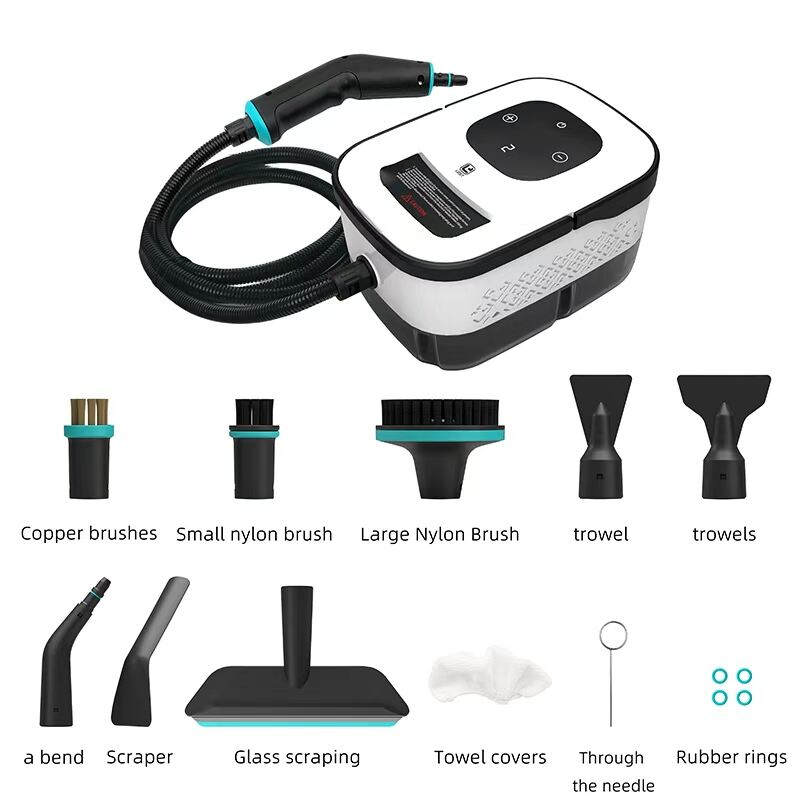
ข้อจำกัดในการใช้งานกับผ้าไหมและอะซิเตต
ข่าวดีสำหรับคุณคือ เครื่องรีดไอน้ำแบบพกพาทำงานได้ดีมากกับผ้าฝ้าย ผ้าลินิน และผ้าผสมฝ้าย-โพลีเอสเตอร์ เนื่องจากไอน้ำสามารถทำให้เส้นใยโพลีเอสเตอร์นุ่มตัวลงที่อุณหภูมิที่ต่ำกว่าอุณหภูมิความร้อนปกติที่คุณใช้ทั่วไป ไอน้ำยังช่วยคลายพันธะของเซลลูโลสและช่วยจัดเรียงโครงสร้างเซลลูโลสให้ตรงขึ้น อีกทั้งผ้าผสมโพลีเอสเตอร์-ฝ้ายก็เป็นเช่นเดียวกัน เพราะไอน้ำช่วยทำให้พันธะของโพลีเอสเตอร์นุ่มตัวลงที่อุณหภูมิต่ำกว่าความร้อนแห้งแบบปกติ อย่างไรก็ตาม วัสดุที่ไม่ทนความร้อน เช่น ผ้าไหมและอะซิเตต จะไม่เหมาะกับการใช้ไอน้ำ ผ้าไหมจะเสื่อมสภาพที่อุณหภูมิประมาณ 150 องศาเซลเซียส ดังนั้นจึงไม่ควรปล่อยให้ไอน้ำสัมผัสโดยตรงกับผ้าไหม เพราะอาจทำให้ผ้าไหมเสียรูปถาวรและเกิดพื้นผิวที่ดูไม่น่ามองอย่างรุนแรง อะซิเตตอาจไวต่อความร้อนมากยิ่งกว่านั้น และอาจได้รับความเสียหายจากไอน้ำจนละลายหรือบิดเบี้ยว จึงต้องระมัดระวังเป็นพิเศษไม่ให้ไอน้ำสัมผัสโดยตรงกับวัสดุชนิดนี้ หากคุณไม่ต้องการใช้ความร้อนสูง โปรดเลือกใช้การตั้งค่าความร้อนต่ำ และใช้การเคลื่อนไหวแบบสั้นและรวดเร็วมาก ๆ เนื่องจากคุณไม่ต้องการให้เกิดรอยด่างหรือความเสียหายใด ๆ บนพื้นผิวของอะซิเตต
เมื่อการใช้ไอน้ำในการดูแลผ้าไม่ได้ผลกับผ้าบางชนิด มักเกิดจากกระบวนการตกแต่งผิว (finishing treatments) ความหนาแน่นของโครงสร้างทอ (weave density) และที่สำคัญที่สุดคือ วิธีการผลิต (construction)
โดยทั่วไปแล้ว ปัญหาที่เกิดขึ้นกับการรักษาด้วยไอน้ำมิได้เกิดจากเส้นใยเป็นหลัก แต่เกิดจากโครงสร้างของผ้าแทน ตัวอย่างเช่น ผ้ากาบาร์ดีน (Gabardine) และผ้าทวิลล์ (twill) มีการทอแน่นซึ่งมักจะขัดขวางไม่ให้ไอน้ำซึมผ่านเข้าสู่เนื้อผ้าได้อย่างทั่วถึง ดังนั้น ผ้าชนิดเหล่านี้จึงต้องใช้เวลานานขึ้นและต้องมีการจัดการผ้าอย่างเบามือเพื่อให้ไอน้ำทำงานได้อย่างมีประสิทธิภาพ นอกจากนี้ ผ้าสำหรับใช้งานกลางแจ้งบางชนิดมีสารเคลือบ DWR (Durable Water Repellent) ซึ่งช่วยป้องกันการซึมผ่านของความชื้น ทำให้ไอน้ำไม่สามารถถูกดูดซึมเข้าสู่ผ้า แต่ไหลลงมาตามพื้นผิวแทน ส่งผลให้ผ้าไม่คลายตัวและยังคงมีรอยยับอยู่ ในการทดสอบพบว่า การรักษาด้วยไอน้ำไม่สามารถลดรอยยับของเสื้อที่ผ่านการเคลือบเรซินได้ดีเท่ากับเสื้อผ้าฝ้ายธรรมดา เนื่องจากโครงสร้างของผ้าและการแปรรูปขั้นสุดท้าย ทั้งนี้ การทำให้เส้นใยที่ลื่นไหลแข็งตัวขึ้นเล็กน้อยจะช่วยแก้ไขปัญหาโครงสร้างเส้นใยที่ถูกบล็อกไว้ได้ การดึงผ้าอย่างเบามือขณะใช้ไอน้ำจะช่วยคลี่คลายโครงสร้างเส้นใยที่ถูกบล็อกนั้น สำหรับผ้าและบริเวณที่มีการปักลาย ซึ่งมีโครงสร้างเฉพาะตัวอยู่แล้ว จะต้องใช้การวางตำแหน่งไอน้ำอย่างระมัดระวังและปรับให้เหมาะสม เพื่อขจัดโครงสร้างที่มีอยู่เดิมและรักษาความละเอียดของลายปักไว้
เครื่องนึ่งแบบพกพาที่ใช้แรงดันเทียบกับการรีดผ้าแบบดั้งเดิม: ความเร็ว ความปลอดภัย และความสมบูรณ์ของพื้นผิว
การนึ่งแบบไม่สัมผัสช่วยป้องกันรอยเงาและรักษาพื้นผิวที่บอบบางไว้ได้ ซึ่งมีความสำคัญอย่างยิ่งต่อผ้าสังเคราะห์ที่มีลวดลายพิมพ์และผ้าขนสัตว์สำหรับตัดชุดสูท
เนื่องจากเครื่องนึ่งแบบพกพาและเตารีดแบบดั้งเดิมทำงานตามหลักการที่แตกต่างกันอย่างชัดเจน เครื่องนึ่งจึงไม่สัมผัสโดยตรงกับสิ่งของที่กำลังนึ่ง ส่งผลให้เส้นใยขนสัตว์ไม่เกิดการบิดเบี้ยว ผ้าที่มีลวดลายพิมพ์ไม่ได้รับความเสียหาย และที่สำคัญที่สุดคือ ไม่เกิดรอยเงาจากการรีดบนสิ่งของแต่อย่างใด แทนที่จะเป็นเช่นนั้น ไอน้ำจะซึมผ่านเนื้อผ้าเพื่อให้เกิดผลในการทำความสะอาด และทำให้เสื้อผ้าคงสภาพเหมือนใหม่ไว้ได้ ซึ่งมีความสำคัญอย่างยิ่งต่อสินค้าทั้งหมดที่ทำจากผ้าขนสัตว์แบบมีโครงสร้าง ผ้ากำมะหยี่หรูหรา ผ้าที่พิมพ์ดิจิทัล หรือสินค้าที่ทำจากผ้าสังเคราะห์ที่บอบบาง
ด้านเวลาและสรีรศาสตร์: ความเมื่อยล้าของผู้ใช้ลดลง 62% ซึ่งส่งผลต่อระยะเวลาในการปรับแต่งส่วนเล็กๆ (touch-up time) และระยะเวลาในการรีด (ironing time) โดยเฉลี่ยแล้วใช้เวลา 3.2 นาที และ 8.7 นาที ตามลำดับ
ตามรายงานของนิตยสาร Consumer Reports ปีที่ผ่านมา เครื่องนึ่งแบบพกพาสามารถขจัดรอยยับบนเสื้อผ้าและใช้เวลาในการขจัดยับได้ดีกว่าเตารีดแบบทั่วไป โดยแทนที่จะใช้เวลาเกือบเก้านาทีเช่นเดียวกับเตารีด แล้วเครื่องเหล่านี้กลับสามารถขจัดรอยยับได้ภายในเวลาเพียงกว่าสามนาทีเท่านั้น โดยใช้เทคนิคการสัมผัสเบาๆ เครื่องมือเหล่านี้มีน้ำหนักเบาเป็นพิเศษ และปล่อยไอน้ำอย่างต่อเนื่อง นอกจากนี้ยังไม่จำเป็นต้องเคลื่อนไหวมากนักขณะใช้งาน จึงช่วยลดแรงกระแทกที่ข้อมือและไหล่ซึ่งมักเกิดจากการรีดผ้าแบบดั้งเดิมได้อย่างมีประสิทธิภาพ อีกทั้งยังออกแบบมาให้จับถือและเคลื่อนย้ายได้สะดวกในมือ รวมทั้งต้องเสียบปลั๊กใช้งานตลอดระยะเวลาที่ใช้งานจริง หลายคนจึงนิยมใช้เครื่องนี้เพื่อรักษาความเรียบร้อยและสดใหม่ของเสื้อผ้าที่สวมใส่ในการทำงาน ในการเดินทาง หรือในโอกาสพิเศษต่างๆ ทุกวัน
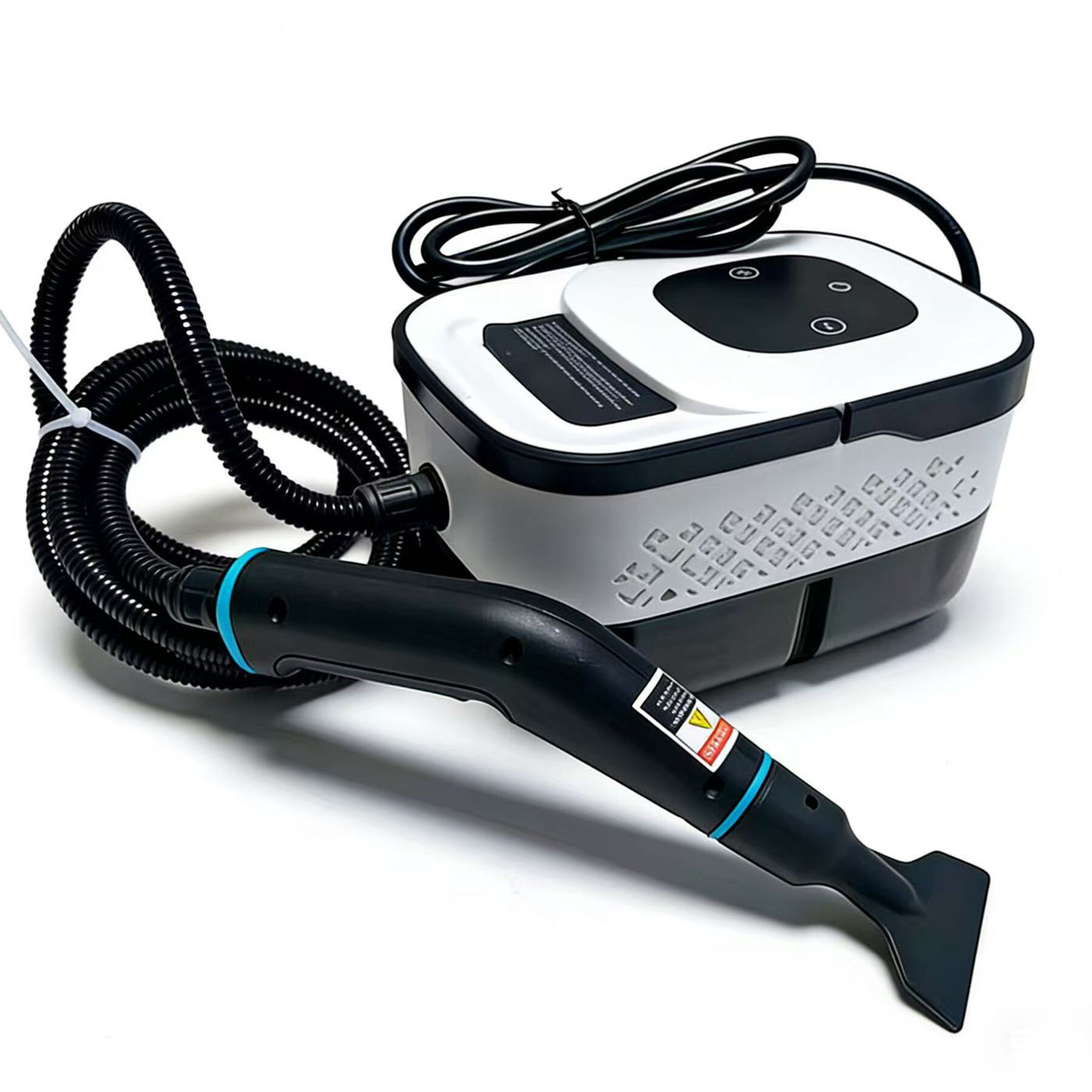
กรณีการใช้งานจริงของเครื่องนึ่งแบบพกพาที่ใช้แรงดัน
เครื่องนึ่งแบบพกพาเหมาะอย่างยิ่งสำหรับการใช้งานที่ต้องการความคล่องตัว ความเร็ว และความหลากหลาย จึงไม่น่าแปลกใจที่นักเดินทางมักบรรจุเครื่องเหล่านี้ลงในกระเป๋าถือของตน เครื่องนึ่งประเภทนี้ใช้งานง่ายและเก็บรักษาได้สะดวก สามารถตั้งค่าให้พร้อมใช้งานในห้องพักโรงแรมได้ภายในเวลาไม่ถึงหนึ่งนาทีหลังจากเปิดเครื่อง นอกจากนี้ยังเป็นสิ่งจำเป็นสำหรับการแก้ไขปัญหาฉุกเฉินอย่างรวดเร็ว และกำจัดกลิ่นไม่พึงประสงค์ โดยเฉพาะเมื่อเสื้อผ้าหรือแจ็กเก็ตยังไม่สกปรกพอที่จะต้องซักเป็นรอบเต็มๆ อย่างไรก็ตาม สิ่งที่มักถูกละเลยบ่อยครั้งคือ เครื่องนึ่งแบบพกพาเหล่านี้ยังเป็นเครื่องมือที่ยอดเยี่ยมสำหรับการทำความสะอาดสิ่งของอื่นๆ นอกเหนือจากเสื้อผ้า เช่น เมื่อใช้ไอน้ำแรงดันสูงอย่างเหมาะสม ไอน้ำดังกล่าวสามารถกำจัดไรฝุ่นและแบคทีเรียได้อย่างมีประสิทธิภาพบนพื้นผิวต่างๆ อาทิ ที่นั่งในรถยนต์และเฟอร์นิเจอร์ จึงไม่น่าแปลกใจที่เครื่องนึ่งเหล่านี้ได้รับความนิยมในการทำความสะอาดรถเข็นเด็กและเบาะนั่งสำหรับเด็ก นอกจากนี้ เนื่องจากเครื่องนึ่งแบบพกพาไม่มีขนาดใหญ่เกะกะและไม่ต้องใช้สายไฟ (สามารถผลิตไอน้ำได้ทันทีตามต้องการ) จึงเหมาะอย่างยิ่งสำหรับการทำความสะอาดและขจัดรอยยับบนผ้าเนื้อดีที่บอบบาง รวมถึงบริเวณที่เข้าถึงยากหรือมีรูปทรงแปลกตา เช่น ม่านหน้าต่างและโคมไฟ ขณะทำความสะอาดเพียงแค่ใช้น้ำธรรมดาในการผลิตไอน้ำก็ช่วยขจัดคราบสารเคมีเหนียวหนึบออกจากเครื่องใช้ไฟฟ้าได้แล้ว เครื่องนึ่งแบบพกพาจึงเสมือนบริการซักแห้งขนาดเล็กที่สามารถใช้ทำความสะอาดห้องพักในหอพัก หรือแม้แต่เตรียมสถานที่จัดงานพิธีการระดับพรีเมียมได้อย่างมีประสิทธิภาพ
ส่วน FAQ
เครื่องนึ่งแบบพกพาสร้างอุณหภูมิได้สูงสุดเท่าใด
เครื่องนึ่งสามารถทำความร้อนได้ในช่วงอุณหภูมิระหว่าง 180 ถึง 220 องศาฟาเรนไฮต์
เหตุใดไอน้ำภายใต้ความดันจึงเหนือกว่าไอน้ำที่มีความดันต่ำ
ไอน้ำประเภทนี้ช่วยในการถ่ายเทและแทรกซึมความร้อนเข้าสู่เส้นใยของผ้าได้ดีกว่าไอน้ำที่มีความดันต่ำ นอกจากนี้ยังใช้เวลาน้อยกว่าในการบรรลุผลลัพธ์ที่ต้องการ
เครื่องนึ่งแบบพกพาสามารถใช้กับผ้าชนิดใดได้บ้าง
เครื่องนึ่งแบบพกพาสามารถใช้กับผ้าฝ้าย ผ้าลินิน และผ้าผสมโพลีเอสเตอร์ ขณะที่ผ้าไหมและอะซิเตตจำเป็นต้องใช้ด้วยความระมัดระวังเป็นพิเศษ
ข้อดีของการใช้เครื่องนึ่งแบบพกพาแทนเตารีดแบบธรรมดาคืออะไร
เมื่อเปรียบเทียบกับเตารีดแบบธรรมดา เครื่องนึ่งแบบพกพามีแนวโน้มทิ้งรอยเงาบนผ้าน้อยกว่า รักษาพื้นผิวที่บอบบางได้ดีกว่า และทำให้ผู้ใช้รู้สึกเมื่อยล้าลดลง
เครื่องนึ่งแบบพกพาใช้งานง่ายหรือไม่
ใช่ พวกมันมีน้ำหนักเบา พกพาสะดวก และไม่จำเป็นต้องเคลื่อนไหวแขนอย่างมากในการใช้งาน