
 EN
EN



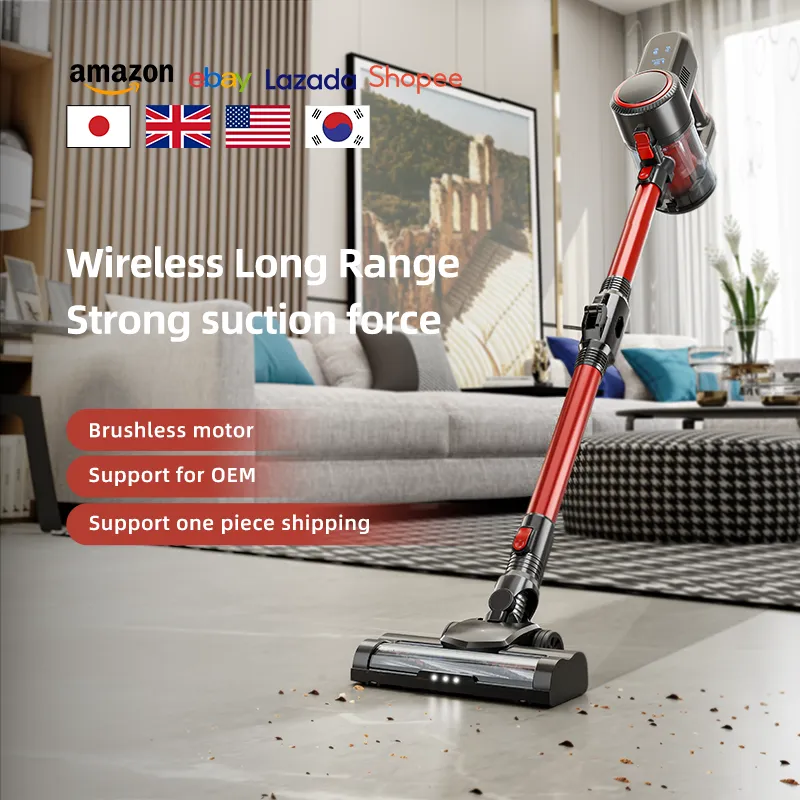
How Car Vacuum Cleaners Tackle Pet Hair: Suction, Agitation, and Adhesion Science
Why Pet Hair Clings So Strongly to Car Seat Fabrics
Pet hair adheres to car seat fabrics through static electricity and microscopic fiber entanglement. Fine barbs on individual hairs act like tiny hooks, while friction from movement generates a static charge that draws strands deeper into the weave. Nylon and polyester upholstery—common in modern vehicles—holds onto hair with surprising tenacity by embedding strands between fibers. Repeated pressure from passengers further compacts hair into a matted layer, resisting casual cleaning. This dual adhesion mechanism explains why standard vacuums often fail on the first pass, requiring targeted tools to break the bond.
The Dual Mechanism: Motorized Brush Rolls + High Suction for Effective Hair Uprooting
To overcome this strong adhesion, effective car vacuum cleaners deploy two simultaneous actions: mechanical agitation and high suction. A motorized brush roll—fitted with rubber or stiff nylon bristles—disrupts static bonds and lifts embedded hair from fabric weaves. At the same time, concentrated suction pulls loosened hair into the airstream before it resettles. This dual-mechanism approach significantly boosts extraction efficiency over static tools or suction-only models. Independent testing confirms motorized brush rolls remove up to 50% more pet hair from carpet than static alternatives. While especially effective on cloth upholstery—including high-shed zones like rear footwells and seat crevices—grippy trunk surfaces remain challenging due to their dense pile.
Motorized Brush Roll vs. Static Tools: Which Delivers Deeper Extraction?
Motorized brush rolls shift pet hair removal from surface-level cleaning to true deep extraction. Unlike static nozzles that rely solely on suction, rotating bristles actively agitate fibers to lift hair anchored by static cling or moisture. For vehicle interiors, this is critical on cloth seats where hair embeds deeply over time. Stiffer bristles penetrate denser upholstery more effectively than softer ones—making brush roll rigidity a key selection criterion when choosing a car vacuum cleaner.
HEPA Filtration and Sealed Systems: Critical for Allergen Control and Hair Containment
High-Efficiency Particulate Air (HEPA) filtration is essential for pet owners. Certified HEPA filters capture 99.97% of particles ≥0.3 microns—including dander, pollen, and fragmented hair that trigger respiratory sensitivities. Without it, vacuuming risks redistributing allergens into cabin air. Sealed systems reinforce this protection by preventing leakage through seams or dustbin gaps. Models with both certified HEPA filters and airtight gasket seals ensure captured hair and allergens stay contained—especially important during emptying. According to asthma research foundations, sealed HEPA systems reduce airborne allergen levels by 78% post-cleaning compared to non-sealed alternatives, transforming your car vacuum cleaner from a convenience tool into a health safeguard.
Technique Tips: Angle, Speed, and Overlap Patterns for Maximum Hair Removal
Effective pet hair removal requires upholstery-specific technique. For cloth seats, hold the vacuum at a 45-degree angle to lift hair from woven fibers and use slow, overlapping lateral passes—moving the nozzle every 4–6 inches—to prevent redistribution. Activate the motorized brush roll on medium-pile fabrics for optimal dislodging.
On leather surfaces, skip agitation entirely to avoid micro-scratches. Instead:
- Use a soft-bristle crevice tool
- Maintain a 30-degree glide angle to follow contours smoothly
- Apply shorter, 3-inch overlapping strokes
- Reduce suction power to protect delicate finishes
Consistency matters most: 94% of successful removals involve three or more passes per section (2023 Upholstery Care Report). Always vacuum against the grain of fabric weaves, and finish with a microfiber wipe to capture residual strands.
Realistic Limits of a Car Vacuum Cleaner on Long-Term Pet Hair Buildup
When Embedded Hair Defies Standard Tools: The 3-Month Threshold and Fabric Weave Challenge
Even the most capable car vacuum cleaner has practical limits. After roughly three months of accumulated shedding, pet hair becomes deeply integrated into seat fabric. Natural oils in the hair and repeated compression from sitting press strands tightly into the weave—making them resistant to standard suction and brush action. Tighter weaves (e.g., performance cloth or tightly knitted synthetics) present the greatest challenge. At this stage, a vacuum alone may not extract every strand without pre-treatment—such as damp microfiber wiping or enzymatic fabric sprays—or supplemental tools like lint rollers. This underscores the value of consistent, preventive cleaning before hair transitions from loose debris to embedded residue.
FAQ
Why is pet hair so hard to remove from car seat fabrics?
Pet hair clings to car seat fabrics due to static electricity and fiber entanglement. Fine barbs on the hair act as hooks, and friction embeds strands into the fabric.
How does a motorized brush roll help in removing pet hair?
It agitates fabric fibers using bristles to disrupt static bonds and loosen embedded hair for high-suction removal.
Why is HEPA filtration important in car vacuums for pet owners?
HEPA filters capture allergens like dander and microscopic hair, preventing their redistribution during vacuuming, which is especially crucial for people with allergies.
Can a car vacuum cleaner completely remove embedded pet hair?
While effective, car vacuums may struggle with hair embedded for over three months. Pre-treatment with microfiber cloths or enzymatic sprays can improve results.
How should I clean leather surfaces without causing damage?
Use a soft-bristle crevice tool, maintain a 30-degree angle, reduce suction power, and skip agitation to avoid scratching the leather.
Table of Contents
-
How Car Vacuum Cleaners Tackle Pet Hair: Suction, Agitation, and Adhesion Science
- Why Pet Hair Clings So Strongly to Car Seat Fabrics
- The Dual Mechanism: Motorized Brush Rolls + High Suction for Effective Hair Uprooting
- Motorized Brush Roll vs. Static Tools: Which Delivers Deeper Extraction?
- HEPA Filtration and Sealed Systems: Critical for Allergen Control and Hair Containment
- Technique Tips: Angle, Speed, and Overlap Patterns for Maximum Hair Removal
- FAQ