
 EN
EN



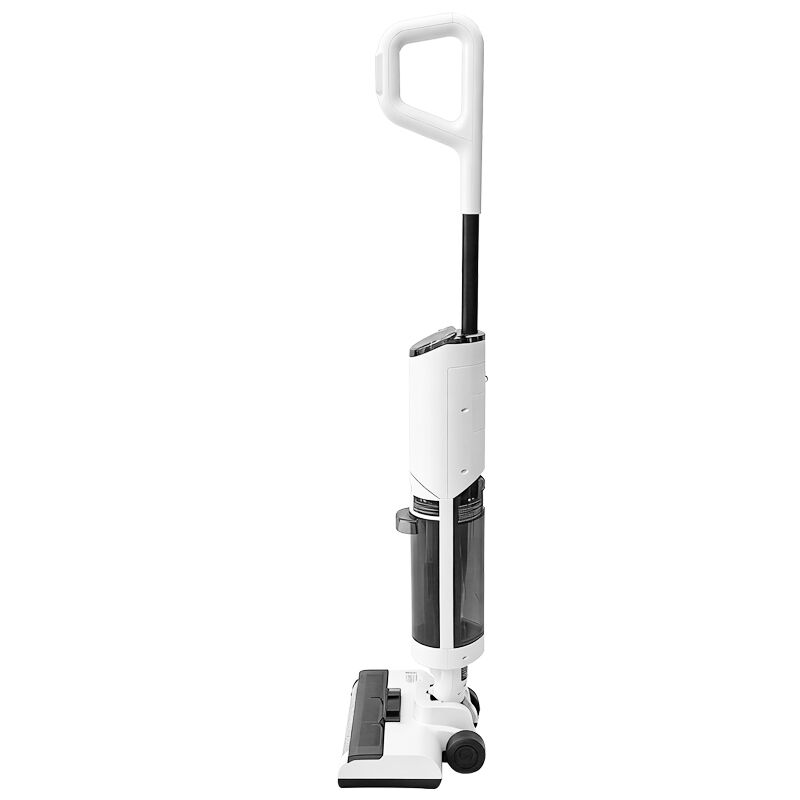
Battery Runtime vs. Whole-Home Coverage Needs
Cordless stick vacuums offer unmatched maneuverability—but battery runtime becomes the decisive factor in homes exceeding 2,000 sq ft. Advertised runtimes are typically measured under ideal lab conditions: low-pile carpet, no obstacles, and eco-mode operation. In reality, navigating furniture, transitioning between surfaces, or using boost mode for embedded debris can reduce effective cleaning time by 30–40%. The result? Incomplete coverage—forcing users to pause for recharging or finish manually.
Real-World Runtime on 2,000+ sq ft Homes: Why Advertised Minutes Fall Short
Manufacturers rarely test under real-world conditions—multi-room layouts, thick rugs, or variable floor transitions aren’t part of standard protocols. Engaging boost mode alone can cut runtime by nearly half. Add battery aging, ambient temperature fluctuations, and thermal throttling, and a vacuum rated for 60 minutes may deliver only 35–40 minutes of usable cleaning time in a large, furnished home—insufficient for full-floor coverage in one session.
Multi-Battery Workflows and Charging Strategies for Seamless Large-Space Cleaning
For uninterrupted cleaning across expansive areas, a multi-battery strategy is essential. Models with hot-swappable batteries let users replace a depleted unit instantly—no downtime. Storing charged spares in central locations (e.g., hallways or stair landings) minimizes walking time. Alternatively, staggered cleaning—such as finishing one floor while the battery charges for the next—can maintain momentum. A fast charger cuts recharge time significantly, making multi-session workflows practical without sacrificing efficiency.
Suction Power and Surface Performance of a Cordless Stick Vacuum
Hardwood, Low-Pile Carpet, and Edges: Measured Cleaning Efficacy and Suction Retention
On smooth hardwood, cordless stick vacuums generally lift loose dust and debris in a single pass—provided the brush roll is correctly set. Performance on low-pile carpet is less consistent: smaller fans and high-speed motors suffer rapid suction loss when airflow meets fiber resistance. Many models begin throttling motor speed within minutes due to thermal or battery management systems, diminishing pickup effectiveness. Edge cleaning remains a persistent weakness—without the rigid nozzle geometry of uprights, gaps between the brush housing and baseboard often leave fine dust untouched. Independent testing shows even premium cordless sticks recover just 70–80% of wall-edge debris compared to upright models, necessitating a second pass or dedicated crevice tool.
How Cordless Stick Vacuum Airwatts Compare to Full-Size Models (AHAM/Consumer Reports Data)
Airwatt ratings—combining suction pressure and airflow volume—offer the most meaningful comparison of cleaning capability. Full-size upright vacuums typically generate 250–450 airwatts; most cordless sticks produce only 80–150 airwatts. This two-to-one gap reflects their limited ability to extract deeply embedded dirt or handle high-pile carpets. Power reduction kicks in early: many units throttle suction once battery charge drops below 50%. Unsealed suction measurements—a more realistic benchmark than sealed bench tests—show average cordless sticks delivering ~0.45 kPa, with top performers reaching 0.60–0.75 kPa. By contrast, entry-level corded vacuums routinely exceed 1.0 kPa under identical conditions. For large, mixed-floor homes, cordless sticks serve best as daily maintenance tools on hard floors and low-pile rugs—leaving deep-cleaning tasks to higher-powered corded models.
Dustbin Capacity and Practical Emptying Frequency in Large Homes
Cordless stick vacuums typically hold 0.4–0.7 liters—sufficient for quick cleanups in small spaces but inadequate for large homes. Covering 2,000+ sq ft often requires emptying the bin two or three times per session, disrupting workflow and adding cumulative minutes to the total cleaning time. Frequent handling also increases exposure to dust and allergens. To preserve efficiency, prioritize models with translucent bins for at-a-glance fill monitoring and one-touch release mechanisms that dump debris cleanly—without touching the filter. Some premium models now include larger 0.8-liter bins or modular canisters designed specifically for extended use. Choosing greater capacity isn’t just convenient—it sustains cleaning rhythm across spacious environments.
Ergonomics and Endurance: Weight, Balance, and Fatigue Over Extended Use
Cleaning a large home with a cordless stick vacuum can take 30+ minutes—making ergonomics critical to comfort and consistency. While most models weigh 5.5–7 pounds, balance matters more than raw weight. Optimal designs position heaviest components—the battery and motor—near the handgrip or floorhead, minimizing wrist torque and forearm strain. Top-heavy units force constant counterbalancing, accelerating fatigue. Features like trigger-lock switches (to avoid sustained button pressure) and pivoting handles further reduce physical demand. In practice, poorly balanced models cause discomfort after just 10 minutes on thick carpet, while well-engineered ones support full 2,000-sq-ft sessions without breaks. For large homes, low center-of-gravity design and intuitive grip geometry are as vital as battery life or suction power.
When a Cordless Stick Vacuum Is the Right Tool — and When It’s Not
Pet Hair, Thick Rugs, and Multi-Surface Homes: Limitations and Smart Hybrid Solutions
Cordless stick vacuums excel on hard floors and low-pile carpets—especially for daily maintenance. Their light weight and agility make spot-cleaning effortless. But they struggle with thick rugs, deeply embedded debris, and heavy pet hair, which quickly clogs filters and overfills small dustbins. In multi-surface homes, a hybrid approach delivers the best results: use the cordless stick for daily upkeep on hard surfaces and low-pile rugs, then deploy a full-size upright for weekly deep cleaning of carpets. For households with severe shedding pets, adding a specialized pet hair attachment enhances versatility without compromising core performance.
FAQs
Why does my cordless stick vacuum runtime fall short of advertised numbers?
Manufacturers typically test runtimes under ideal lab conditions. Real-world factors like furniture navigation, surface transitions, and boost mode usage can reduce effective runtime by 30–40%.
Can I clean a large home with a cordless stick vacuum in one session?
Most cordless stick vacuums struggle to fully clean a large home in one session due to limited battery life. However, multi-battery strategies or staggered cleaning can help achieve seamless cleaning.
Why is suction power weaker in cordless stick vacuums?
Most cordless stick vacuums produce a fraction of the airwatts compared to full-size models, which limits their ability to clean deeply embedded dirt or high-pile carpets.
How often should I empty the dustbin while cleaning a large home?
Dustbins typically need emptying two or three times per session in larger houses. Choosing models with larger bins or modular canisters can reduce the frequency of interruptions.
What ergonomic features should I look for in a cordless stick vacuum?
Look for features like balanced design, trigger-lock switches, and pivoting handles, as these minimize wrist torque and fatigue during extended cleaning sessions.
Table of Contents
- Battery Runtime vs. Whole-Home Coverage Needs
- Suction Power and Surface Performance of a Cordless Stick Vacuum
- Dustbin Capacity and Practical Emptying Frequency in Large Homes
- Ergonomics and Endurance: Weight, Balance, and Fatigue Over Extended Use
- When a Cordless Stick Vacuum Is the Right Tool — and When It’s Not
-
FAQs
- Why does my cordless stick vacuum runtime fall short of advertised numbers?
- Can I clean a large home with a cordless stick vacuum in one session?
- Why is suction power weaker in cordless stick vacuums?
- How often should I empty the dustbin while cleaning a large home?
- What ergonomic features should I look for in a cordless stick vacuum?