
 EN
EN



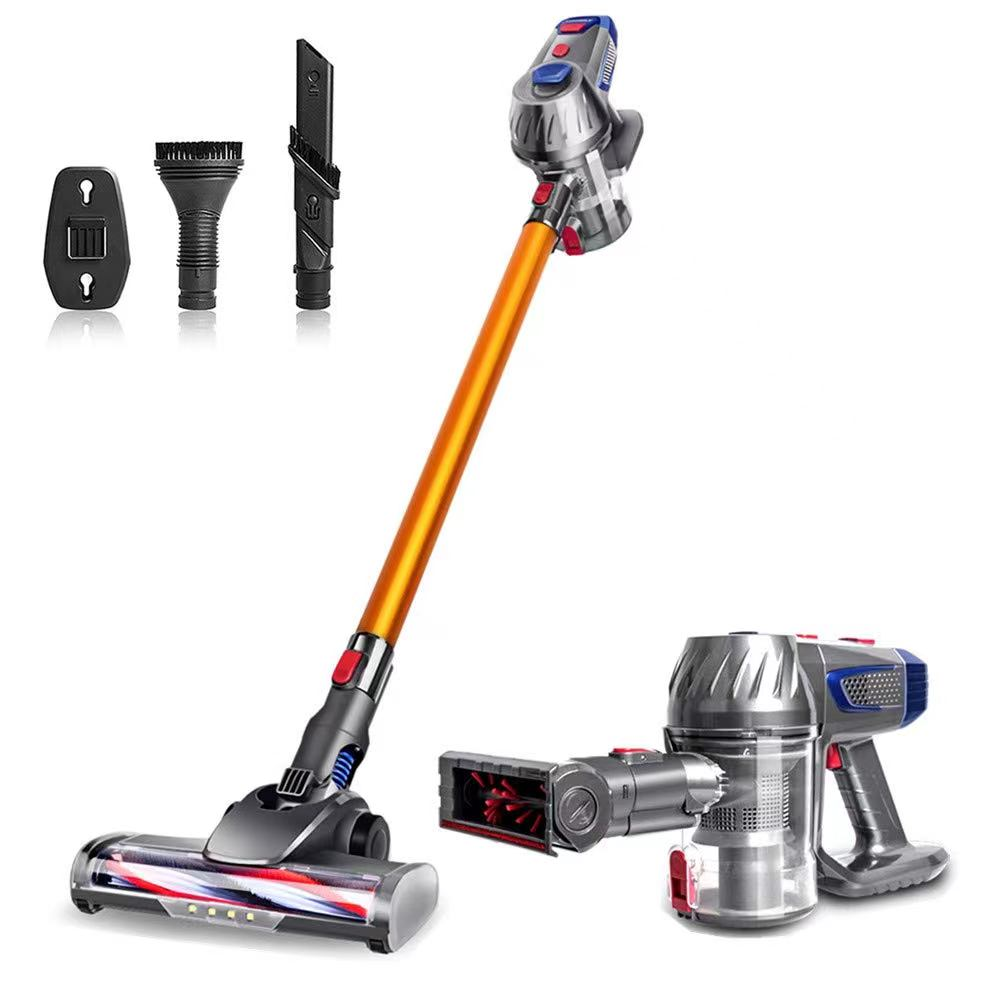
Defining "Effective" for Handheld Cleaning
A small handheld vacuum faces physics constraints that full-size machines do not: smaller motor diameter limits torque generation, compact battery capacity limits runtime, and reduced dust cup volume limits debris collection before emptying interrupts the task. The question of effectiveness depends on defining the target — removing visible surface debris from hard floors and low-pile rugs within a single room, or deep-cleaning high-pile carpet across an entire house. Handheld units handle the first task effectively; they were never designed for the second.
The suction power threshold for visible debris pickup is surprisingly low. Laboratory testing shows that 8–12kPa of sealed suction removes surface crumbs — cereal fragments, cracker debris, breadcrumbs — from hard floors at a single pass rate of 95%+. The same 8kPa removes visible dust from hard surfaces. Where handheld units struggle is with the fine particulate embedded in carpet fibers — the sub-100-micron dust that a full-size vacuum's higher airflow volume suspends and extracts. Handhelds address surface debris; deep carpet cleaning requires the sustained airflow volume that larger motors and power sources deliver.
A café chain operating 15 locations tested a fleet of compact handheld vacuum units from Texous for between-service table and floor crumb removal — the 3-minute clean between customer seatings. The handheld units, delivering 20kPa suction with integrated crevice tools, removed visible crumbs and debris from table surfaces, booth upholstery, and tile floors faster than the previous broom-and-dustpan method. Staff cleaning time between seatings dropped from approximately 4 minutes to 2.5 minutes — 90 seconds saved per table turnover, accumulating to roughly 3.5 hours of recovered staff time daily across all locations.
Suction and Airflow Physics at Small Scale
The Pressure vs. Flow Trade-off
Small handheld vacuum motors optimize for pressure rather than flow because their primary task — extracting debris from crevices, upholstery gaps, and hard surfaces — benefits from concentrated suction at a small nozzle opening. A 20kPa sealed suction rating with a 25mm crevice tool opening generates enough pressure differential to lift approximately 10 newtons (1kg of force) — sufficient to extract a coin wedged between car seat cushions or to pull crumbs from fabric weave.
The trade-off is that handheld units deliver lower airflow volume — typically 10–20 cubic feet per minute versus 50–80 CFM for full-size units. The lower airflow means the handheld takes longer to clean a given floor area because each pass covers less effective width. For whole-room floor cleaning, a handheld stick vacuum with motorized brush roll bridges this gap by adding mechanical agitation that dislodges debris for the lower airflow to capture.
The motor type fundamentally affects handheld cleaning capability. Brushed DC motors — the traditional hand vac design — deliver 35–50% electrical efficiency with declining suction as battery voltage drops. BLDC (brushless DC) motors in premium handheld units deliver 65–85% efficiency with electronic speed control maintaining consistent suction throughout the battery discharge curve. A BLDC handheld at 50% battery delivers similar cleaning performance to full charge; a brushed motor at 50% battery delivers noticeably reduced suction.
Dust Cup Capacity and Debris Management
Small dust cup capacity — 0.5–0.8 liters for typical handheld units — means more frequent emptying during extended cleaning sessions. The capacity limitation is a design trade-off: larger dust cup = larger overall unit = reduced portability and handling comfort. Handheld vacuums prioritize the tasks where 0.5–0.8 liters of debris collection represents 5–15 minutes of continuous debris pickup — sufficient for spot cleaning, car interiors, stairs, and upholstery — over whole-house cleaning sessions that generate more debris than the cup can hold.
Frequently Asked Questions
What suction power is adequate for a small handheld vacuum?
8–12kPa handles surface crumbs and dust on hard floors. 15–20kPa extracts debris from upholstery and car carpet fibers. Above 20kPa approaches stick-vacuum territory for floor cleaning but at the cost of shorter battery life — higher suction consumes battery capacity faster. Texous handheld units span 9–32kPa across models for task-appropriate power selection.
Can a handheld vacuum replace a full-size vacuum for apartment cleaning?
For apartments under 50m² with predominantly hard floors, a cordless stick vacuum with handheld conversion capability handles daily cleaning effectively. The key differentiator is the motorized brush roll — stick vacuums with powered brushes clean floors comparably to corded uprights on hard surfaces, though with shorter per-charge runtime.
How does battery voltage affect handheld vacuum performance?
Higher voltage battery packs — 21.6V, 25.2V — enable higher motor speeds and sustained suction as the battery discharges. A 2200mAh battery at 21.6V delivers approximately 47 watt-hours of capacity, supporting 15–50 minutes of operation depending on power setting. Battery capacity and motor efficiency are more important performance determinants than voltage alone.
What types of debris do handheld vacuums struggle with?
Fine flour-like dust that embeds in carpet fibers requires the sustained high airflow of full-size vacuums. Large debris exceeding the nozzle opening width requires mechanical pickup. Wet spills require wet-dry rated units — standard handheld vacuums draw moisture into the motor and filter, causing damage. Pet hair benefits from models with anti-tangle brush roll designs.
Is a corded handheld more powerful than cordless?
Corded handhelds deliver unlimited runtime at consistent power — no battery degradation during use. Cordless models match corded suction at full charge but gradually decline unless using BLDC motors with voltage-regulated speed control. Corded eliminates the battery replacement cost (30–80) every 2–3 years. Cordless provides unrestricted movement.
How long should a handheld vacuum battery last per charge?
Entry-level units with 2,000–2,200mAh batteries: 15–25 minutes on standard power. Mid-range with 2,500mAh+: 25–40 minutes. High-capacity with 6-cell 2,600mAh packs: 30–50 minutes. These figures are on low/eco mode — high/max mode reduces runtime by 60–70%. Texous AW1 delivers 50 minutes on low and 15 minutes on high from a 2,200mAh pack.