
 EN
EN



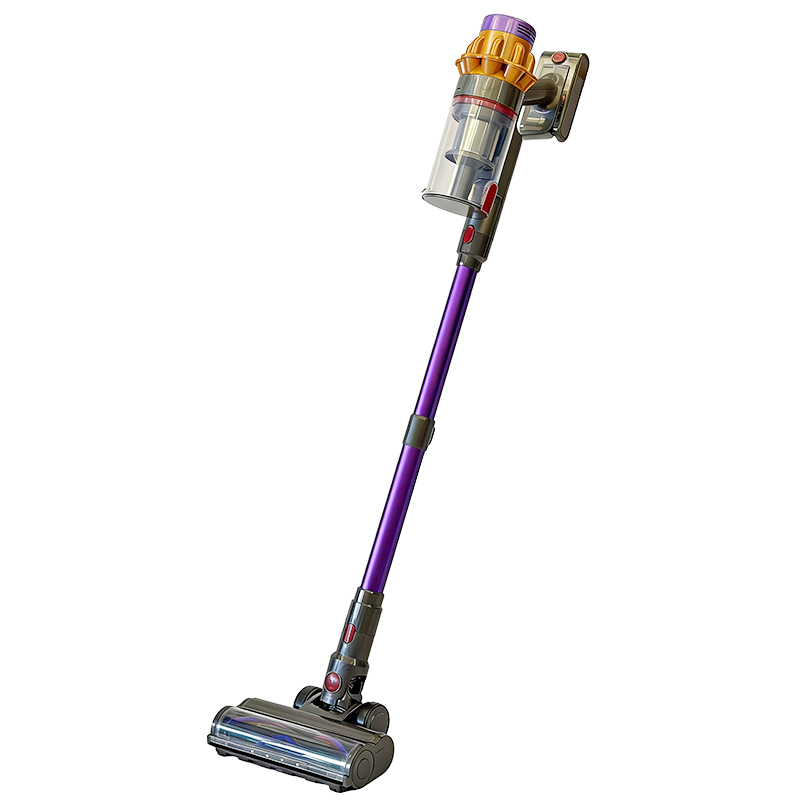
The Performance Degradation Most Users Overlook
A corded vacuum cleaner in handheld form accumulates performance degradation gradually — suction drops 5–10% per month of unmaintained use because filter clogging, dust cup compaction, and brush roll hair wrap progressively restrict airflow. The user notices the decline only when cleaning a particularly dirty area that the machine handled easily two months earlier. By that point, the accumulated neglect has reduced cleaning effectiveness by 30–50% without any mechanical failure — the motor still runs, but the airflow path is choked.
The maintenance that prevents this decline takes 5–10 minutes monthly but extends service life from 2–3 years to 5–7 years. The ROI: approximately 1,000 minutes of extended usable life per 10 minutes of monthly maintenance.
A property management company maintaining 120 short-term rentals equipped each unit with a corded stick vacuum and implemented standardized monthly maintenance performed by cleaning staff during unit turnover. The protocol included filter tapping and washing, brush roll hair removal, and dust cup seal inspection. After 18 months, the maintained fleet showed zero suction-related complaints while an unmaintained control group of 20 units showed 35% complaint rate by month 14. The program cost approximately $3 per unit annually in staff time.
Filter Maintenance
Pre-Motor Filter Cleaning
A corded vacuum cleaner draws debris-laden air through a primary filter before the air reaches the motor. This pre-motor filter captures fine dust that the cyclone separation or dust bag missed. Over weeks of use, the filter accumulates a layer of fine particles that progressively restrict airflow — the filter is doing its job, but the accumulated particles create the restriction that reduces suction.
The pre-motor filter should be removed and tapped against a surface to dislodge loose dust every 2–4 weeks. For washable foam or cloth filters, rinse under running water until clear. Dry completely — 12–24 hours — before reinstallation; a damp filter creates higher resistance and moisture reaching the motor causes electrical failure.
Filter replacement interval — typically every 3–6 months — accounts for progressive pore clogging that washing cannot reverse.
HEPA Exhaust Filtration
Post-motor HEPA filters capture microscopic particles — allergens, bacteria, mold spores — passing through the motor. H12 or H13 standard HEPA filters capture 99.5–99.95% of particles at 0.3 microns.
HEPA filters are not washable — water degrades the glass fiber or synthetic media structure. Replace every 6–12 months, indicated by visible discoloration from gray to dark brown. Operating with a saturated HEPA filter reduces suction and forces the motor against elevated exhaust backpressure, increasing operating temperature and accelerating wear.
Dust Management and Mechanical Components
Dust Cup and Cyclone Cleaning
Bagless vacuums use cyclonic separation — spinning the incoming air at high velocity to centrifugally separate debris from the airstream before the air reaches the pre-motor filter. Dust and debris accumulate in the dust cup while cleaner air proceeds through the separation system. When the dust cup fills beyond approximately 70–80% capacity, the cyclone loses separation efficiency, and more debris reaches the pre-motor filter — accelerating filter clogging and suction loss.
The dust cup should be emptied after each use or when debris reaches the fill line. The cyclone assembly — the cone-shaped component where separation occurs — accumulates fine dust coating. Rinsing the cyclone monthly prevents buildup that progressively reduces efficiency. The rubber seal at the dust cup opening should be inspected for debris preventing complete sealing — a 0.5mm gap allows unfiltered air to bypass the dust collection path.
Brush Roll and Airway Cleaning
The motorized brush roll at the cleaning head accumulates wrapped hair, thread, and fiber within days of use on carpeted surfaces. The wrap increases rotational resistance, reduces brush agitation effectiveness, and — in severe cases — can stall the brush motor, triggering the overload protection that shuts off the brush function.
Hair removal from the brush roll should be performed after every 3–5 uses. Most stick vacuums include a groove in the brush roll for scissors access — cutting the wrapped material along this groove allows it to unwind without damaging bristles. Brush roll end caps should be removed monthly to clean the bearing area where accumulated debris increases rotational friction.
Frequently Asked Questions
How often should a handheld vacuum filter be cleaned?
Pre-motor filters require tapping clean every 2–4 weeks and washing monthly for washable types. HEPA exhaust filters require replacement every 6–12 months — they are not washable. Texous handheld vacuums use accessible filter designs for quick maintenance without tools.
Why does my handheld vacuum lose suction over time?
Three causes, typically: clogged pre-motor filter restricting airflow, dust cup filled beyond 80% capacity reducing cyclone separation efficiency, or brush roll hair wrap reducing agitation and nozzle airflow. Addressing all three monthly restores approximately 90–95% of original suction.
Can I wash all vacuum filters with water?
Foam and cloth pre-motor filters are washable. Paper cartridge pre-motor filters are not — water degrades the paper structure. HEPA filters are not washable regardless of material — water permanently damages the filtration media. Check the manufacturer's marking on the filter frame: washable filters have a wash icon or text indication.
How do I know when to replace the HEPA filter?
Replace when the filter media color changes from light gray to dark brown or black, indicating particle saturation. Operating hours provide a secondary indicator — replacement is due at 200–500 hours of use depending on dust load. Operating with a saturated filter increases motor temperature and accelerates wear.
What is the correct way to empty a bagless dust cup?
Empty outdoors or directly into a trash container to avoid releasing captured dust into indoor air. Tap the dust cup gently to dislodge compacted debris. Rinse the cyclone assembly monthly to remove the fine dust coating that degrades separation. Inspect and clean the dust cup seal at the same interval.
How does brush roll maintenance affect cleaning performance?
A clean brush roll agitates carpet fibers to dislodge embedded debris that suction alone cannot extract. Hair-wrapped brush rolls reduce agitation by 40–60% and increase motor current draw by 15–25% — the motor works harder while cleaning less effectively. Texous handheld vacuums feature brush rolls with accessible cleaning grooves for scissors-assisted hair removal.