
 EN
EN



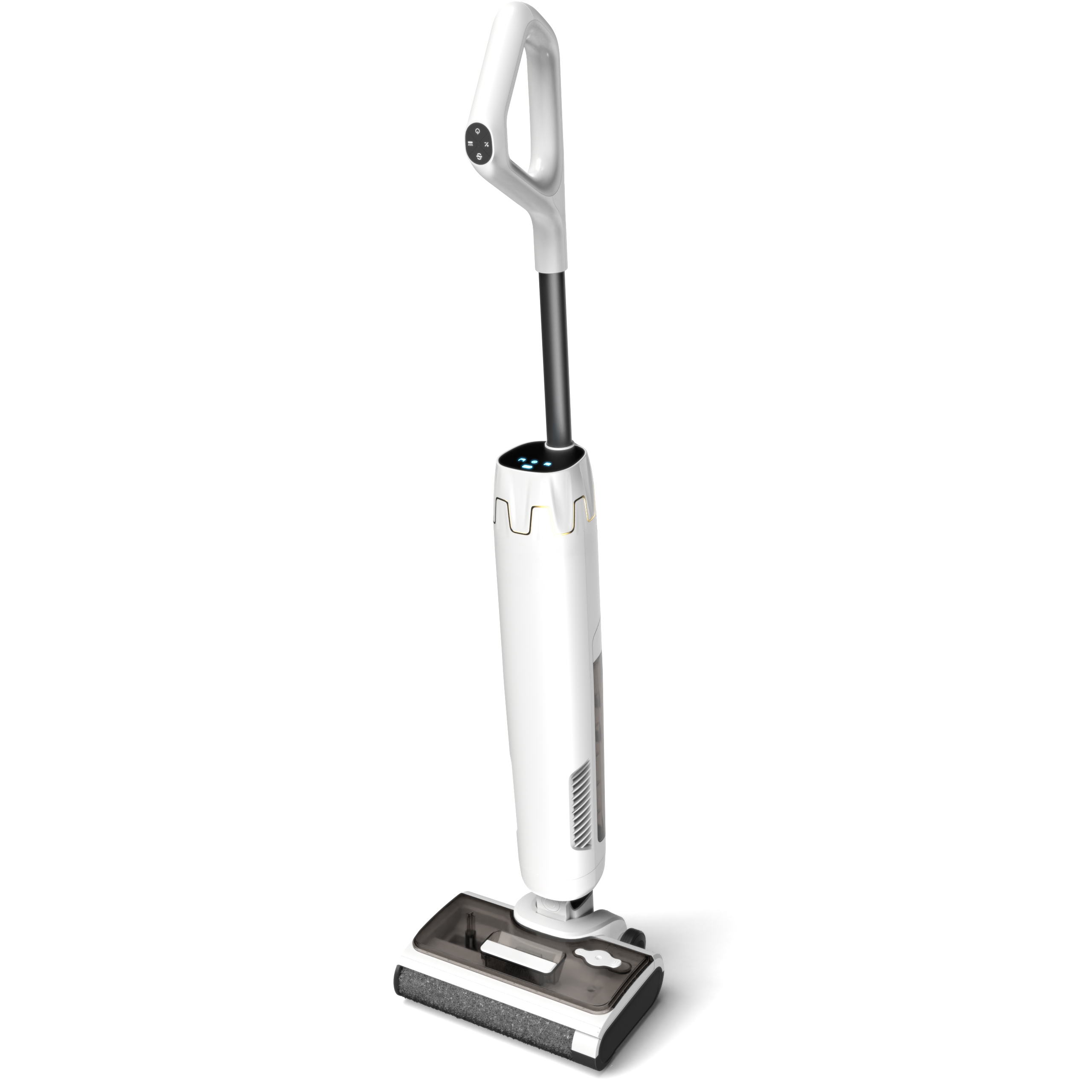
How A Steam Floor Washer Works: The Science of Thermal Disinfection
Temperature and Dwell Time
Steam denaturation (thermal denaturation) is a process where high heat causes a permanent structural breakdown of proteins and is the main method by which Steam Floor Washers eliminate pathogens. There are two parameters in this process which are not negotiable.
1. Temperature: must reach at least 212℉/100℃ to produce vapor phase steam with enough energy to disrupt microbial cells.
2. Dwell time: the sustained time of steam contact must be a minimum 10-15 seconds for a determined area.
Laboratory studies have shown that this combination can achieve up to a 9.6-log (99.9999999%) reduction of common pathogens at the point of contact. The real world application has a lot of variability. Rapid movements, inadequate overlapping passes, or cleaning of non-uniform or porous surfaces can all affect the efficacy of thermal retention and dwell time. This is particularly true in the case of bacteria colonizing in grout lines or in textured surfaces or flooring.
Why Steam Washers Must Maintain 212℉ (100℃) Contact for Reliable Pathogen Reduction
This is the minimum in steam washers and for good reason. This is the point where steam is created. Steam is what enables the thermal energy potential to be lethal and dry the surface quickly. Below this, condensate steam will not be able to adequately denature pathogens. Dwell time is a critical requirement and the 15 seconds is to overcome the thermal inertia in warmer heavily insulated materials or in materials that have structure.
Factor Insufficient Application Optimal Application
Based on E. coli and Staphylococcus aureus testing (Scientific Reports, 2023)
Thermal mapping reveals that the heat dissipates very quickly, only within 4.5 cm of the nozzle’s contact zone. This is the reason that commercial steam floor washers have been designed with precision thermostats, low-vapor-loss nozzles, and controlled steam flow features that ensure proper parameters are maintained throughout full coverage sweeps, unlike the many consumer models that often operate hours below 200°F.
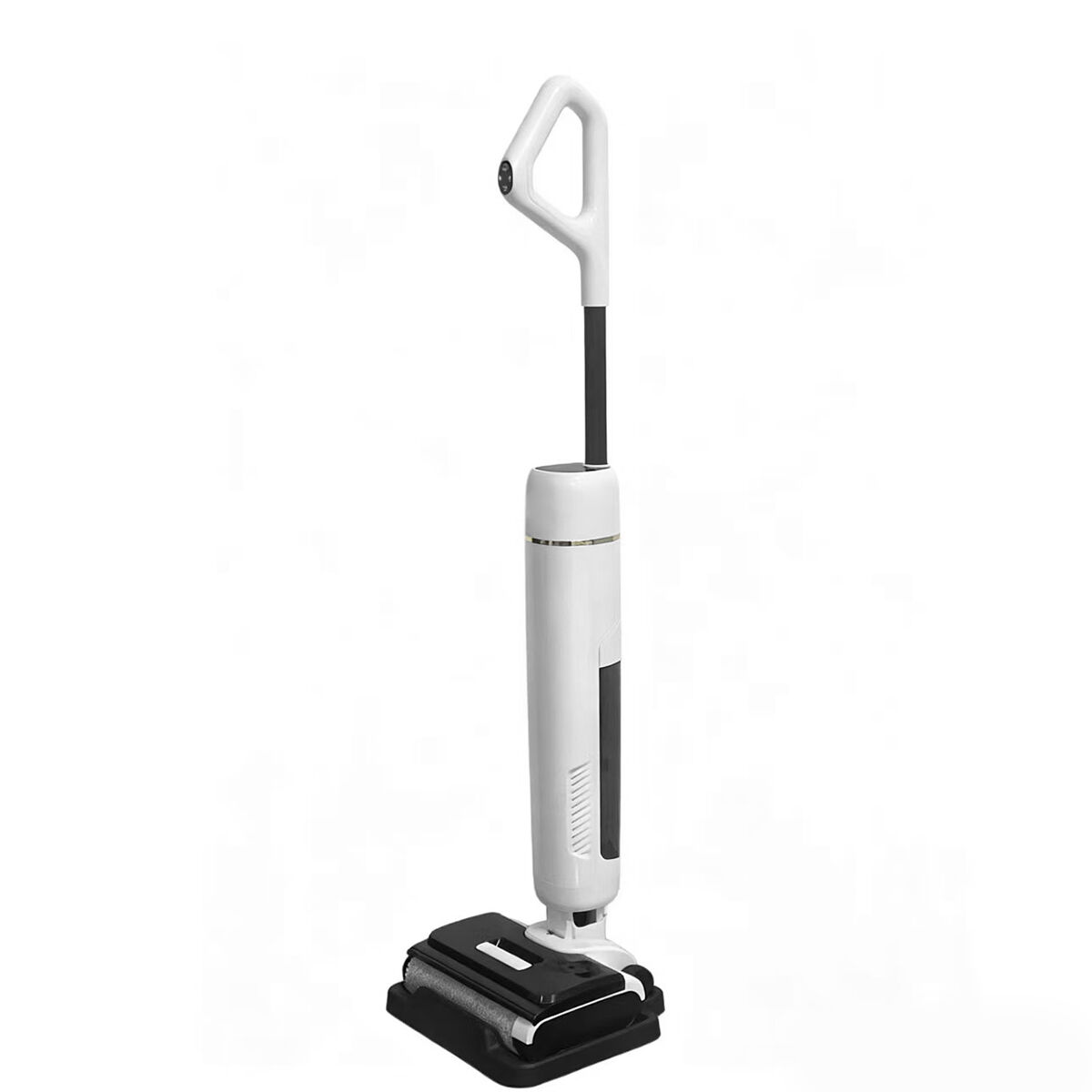
Real-World Performance of a Steam Floor Washer on Common Flooring Types
Tile, Grout, Sealed Hardwood, and LVP: Surface Compatibility and Bacterial Reduction Rates
Steam floor washers provide a solid, chemical-free disinfection solution on non-porous, heat-stable surfaces like ceramic and porcelain tile, properly sealed grout, factory-finished hardwood, and luxury vinyl plank (LVP). If used according to the manufacturer's instructions, these materials can withstand prolonged steam exposure up to 212°F (100°C) without warping, delamination, sealant failure, etc., enabling the required dwell time for pathogen inactivation.
Peer-reviewed findings confirm >99.9% reduction of E. coli, Salmonella, and S. aureus on ceramic tile and are primarily due to the steam’s ability to penetrate the micro-crevices within the grout where biofilms accumulate. On LVP and sealed hardwood, steam effectively neutralizes the surface microbes without compromising the surfaces provided that the operators exercise reasonable control, i.e., low to mid-steam settings, even pressure, and no prolonged contact.
Key considerations by surface:
Grout: Steam simultaneously degreases and sanitizes deep within pores—achieving superior pathogen elimination compared to surface-only chemical sprays
Sealed Hardwood: Requires continuous motion and mid-range steam output to prevent moisture intrusion beneath compromised or aged sealants
LVP: Highly heat-tolerant but sensitive to uneven pressure; improper technique may cause seam separation or edge lifting
Cleaning professionals consistently emphasize that 15–20 seconds of controlled dwell time per square foot is essential for thermal disinfection across all compatible surfaces. Pre-cleaning inspection for sealant integrity, cracks, or moisture sensitivity remains a critical first step—particularly in high-traffic or healthcare environments.
Steam Floor Washer vs. Chemical Disinfectants: Efficacy, Safety, and Practicality
Lab-Validated Germ Kill Rates: 99.9% Reduction of E. coli, Salmonella, and Staphylococcus aureus
Independent laboratory testing validates that steam delivered at 212°F (100°C) for ≥15 seconds achieves ≥99.9% elimination of Escherichia coli, Salmonella enterica, and Staphylococcus aureus. This meets CDC and EPA criteria for “sanitization” and aligns with WHO guidance on non-chemical thermal disinfection methods. Unlike bleach or quaternary ammonium compounds (quats), steam physically disrupts biofilm matrices and reaches into microscopic irregularities—making it uniquely effective against embedded, spore-forming, or chemically resistant organisms.
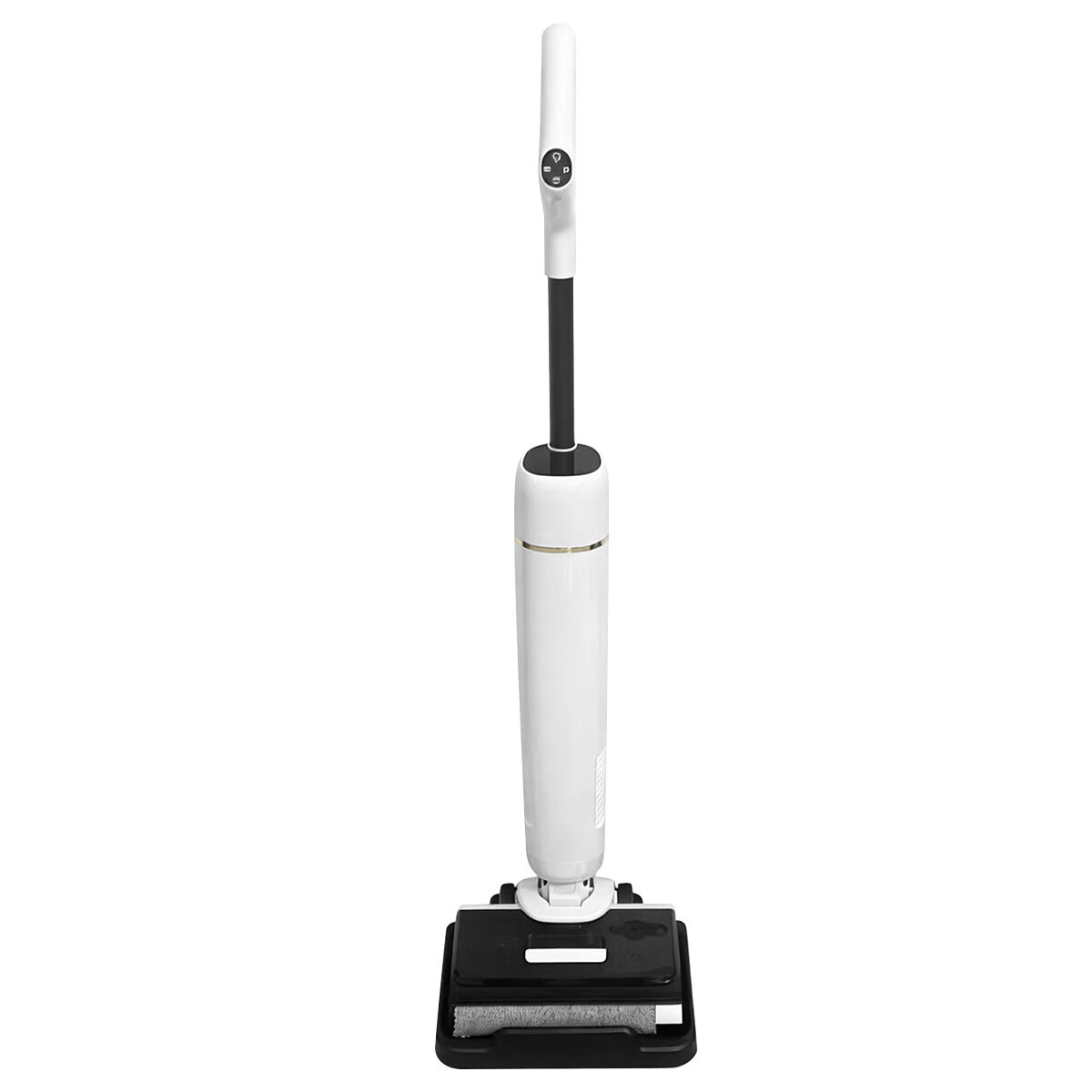
No Residue. No VOCs. No Rinsing. Using the steam floor washer in sensitive environments like kitchens, clinics, and childcare facilities, your steam washer has many benefits. In commercial kitchens, steam eliminates the chance of cross-contamination of disinfectants. In healthcare facilities, you can immediately re-enter the room, and there is no air quality recovery time, which is important during infection control. In childcare facilities, steam eliminates allergens and pathogens, and will not expose children to any harmful or irritating chemicals.
The operational benefits include:
- Open spaces immediately after cleaning to support faster turnover in hospitals, schools, and hospitality venues
- Up to 40% less labor for cleaning due to no rinsing cycles
- Reduced chemical inventory management during cleaning
- Reduced supply costs and less storage
Frequently asked questions:
What is the minimum temperature needed for a steam floor washer to kill bacteria?
The steam floor washer must be able to reach 212°F/100°C, as this is the temperature needed to ensure the water will turn to superheated steam which has the properties for sterilization.
What is the minimum amount of steam time needed for proper surface disinfection?
The steam needs to be in contact with the surface for a minimum time of 10-15 seconds to ensure the correct denaturing of bacteria and to accomplish proper disinfection.
Is there any flooring a steam floor washer cannot be used on?
Stean floor washers work best to most other flooring types, as long as there is no other floor materials that are not non-porous and heat resistant like (ceramic, sealed grout, floor boards, and so on).
What makes steam washers better than chemical disinfectants?
Steam washers have achieved over 99.9% bacterial reduction and have the added benefit of leaving no residue, no VOCs and no rinsing required. This makes them safer for sensitive environments such as healthcare and childcare facilities.
How do steam floor washers deal with uneven surfaces, such as grout lines?
Steam washers have the ability to diffuse in and out of micro-crevices and the deep pores of grout lines. This allows steam washers to sanitize and degrease more profoundly than chemical surface spray.