
 EN
EN



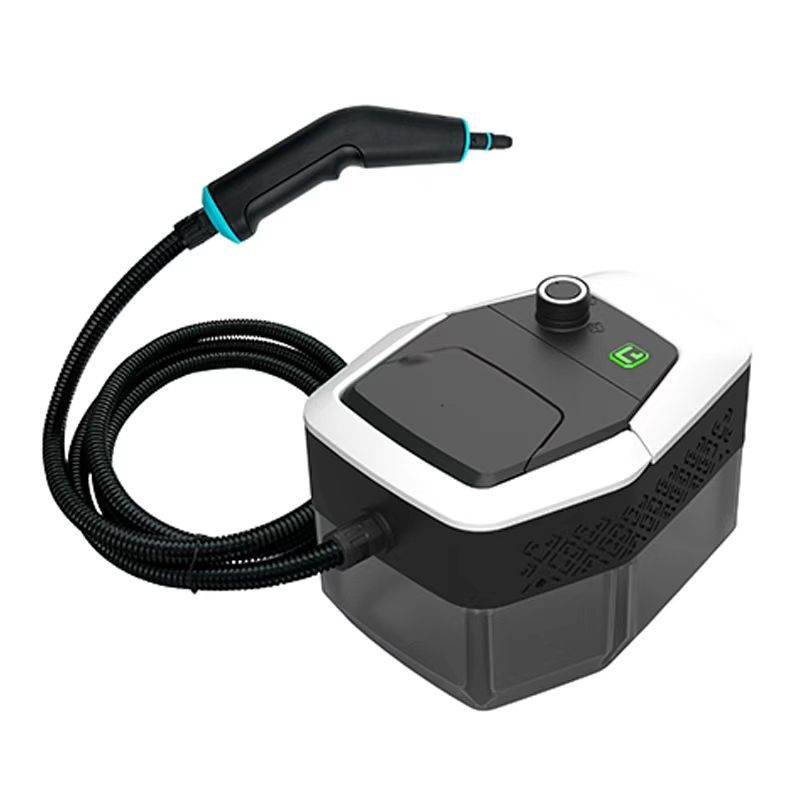
How High-Pressure Steamers Work: Main Technology and Primary Parts
The Boiler and the Pressure-Temperature Relationship
The boiler is the creative heart of the industrial steamers. It uses electric and fuel elements to heat the water to above 212°F (100°C). Due to pressure in the sealed chamber (typically 50-150 PSI), the water becomes dry high energy steam at temperatures of greater than 300°F (149°C). This is a basic thermodynamics principle at work: the higher the pressure, the higher the boiling point of the water. This means that the steam can contain and transfer a higher amount of thermal energy. Safety components like pressure relief valves and thermal cutoffs restrict the system to safe operating limits. The effects of the high pressure and the trade-off of the system being insulated and of lesser weight at risk of injury due to the heat is a 30 trade-off.
The Engineering of Steam Generation, Delivery and Nozzle Technology
The steam is braided and channeled through hoses that are reinforced to withstand 250 PSI. The steam is propelled to precise, laser-like jets by the right engineering, nozzles. Cleaning becomes defined by the orifice diameters (0.5-5 mm), and the smaller the opening, the greater speed and pressure is directed to the stubborn residue and dirt. Variable nozzles and swivel joints also play a large part in ergonomics and control. It can rapidly modify the latent heat to the residue it touches, breaking down the oils and biofilms at 99.9% microbial reduction and dissolving the organic residue. The incorporation of dry steam (less than 5% moisture) further reduces the potential for moisture damage to electronics, and gives the system the ability to penetrate even the smallest of surfaces.
The Use of High-Pressure Steamers in Industrial Fields
The high-pressure industrial steam cleaners offer the perfect solution for the removal of tough, set in contaminants and surfaces of all types in the most stubborn industrial settings. The incorporation of the systems ability to create heat of 150-180° which is incidentally at pressure, and dry steam, allows it to become the ideal steam cleaning system in interventional steam cleaning, which leaves the surfaces dry and steam cleaning dry and interventional.
Sanitation in Food Processing and Pharmaceuticals
These systems prevent the growth of biofilms and pathogens such as Salmonella and Listeria in food processing facilities. They sanitize conveyors and packaging and processing surfaces with steam, a proven method of Farm Security Administration (FSA) regulation and Hazard Analysis Critical Point (HACCP) compliance. Pharmaceutical manufacturers choose automated steam decontamination for use in clean room isolators implemented as part of their cross-contamination prevention program, and for their decontamination equipment.
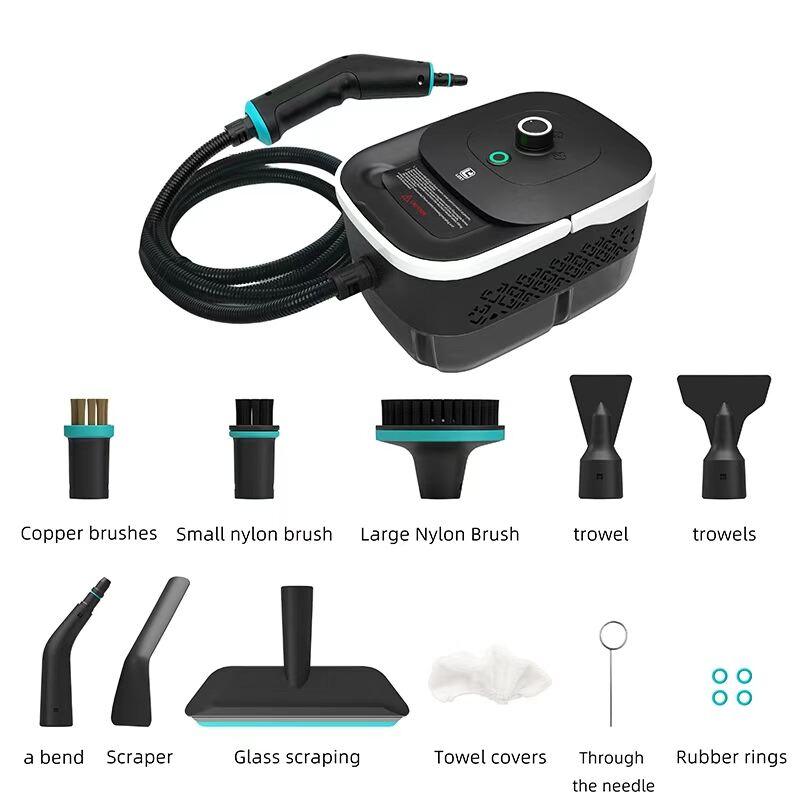
Automotive and Heavy Equipment Maintenance
Automotive steam clean systems remove grease, oil, and OEM paint from scrubbing tools and shop flooring, and remove paint over spray from worn surfaces. In the field with steam implements, operators of cleaning equipment spray off the undercarriage, lubricate open parts, drain the hydraulic systems of oil sludge, and apply anti-coagulants to equipment. This reduces equipment wear and improves corrosion control and equipment operation safety.
Safety and Compliance Operational Procedures
High pressure steam cleaners for industrial use can cause serious injury and equipment failure. If not operated in compliance with safety, and steam equipment regulations, shut downs and serious infractions can be punitive.
The regulations and standards for high pressure steam for OSHA and EN 13576.
OSHA and EN13576 set the basic safety requirements for all industrial steam containment systems. This means all steam systems must have construction of certified pressure vessels yearly strength and integrity testing, operators must have training for thermal hazards, and all systems must include readily available emergency shutoff switches, and systems must be maintained to the extent where rounds of maintenance logs for a designated period can be produced for compliance and audit. With the 2024 amendments, OSHA will increase the average fine per incident to over 15,000 for infractions, making compliance a matter of cost savings.
Preventing Scalding, Pressure Failure, and Material Damage
Safeguards in engineering design are just as important as having proper procedures in place.
- Thermal Danger—Hoses with insulation and automatic cool-down intervals.
- Pressure Failure—The use of two relief valves and rupture disks are impenetrable in preventing catastrophic tank failure.
- Material Compatibility—Inspect and guarantee structural and raw material fit with surfaces and seals before use. This is especially important with regard to composites, elastomers, and metal plating.
+ Pre-operational Duties—Before starting each shift, ensure the hoses are intact, and the safety interlocks and controls are operational.
Facilities that have embraced this philosophy report a positive steam accident prevention response in the 67% range. (Safety Journal (2023)).
Choosing the Best High-Pressure Steam Cleaner for Your Company
How to Match Your Workflow Demand with PSI, Flow Rate, and Duty Cycle
There are three components of a steam cleaner, which determine the real-world performance of the system:
- PSI, the measure of pressure, determines how powerful the system is, and how deep a surface is penetrated. Generally 70 to 100 PSI will be enough for most pressure washing. Heavy-duty jobs may be over 120 PSI.
- The flow rate is measured in gallons per minute, and is used to determine the speed of the system. A higher flow rate means faster cleaning of a large area, but increased water and energy usage.
- The duty cycle is defined by how long the system will run, and how long the system will be required to cool down. If the system is significantly overspec'd duty cycle wise, can create long pauses which can cost a business significantly. Ponemon Institute (2023) estimated lost productivity can be as high as three quarters of a million dollars in a year.
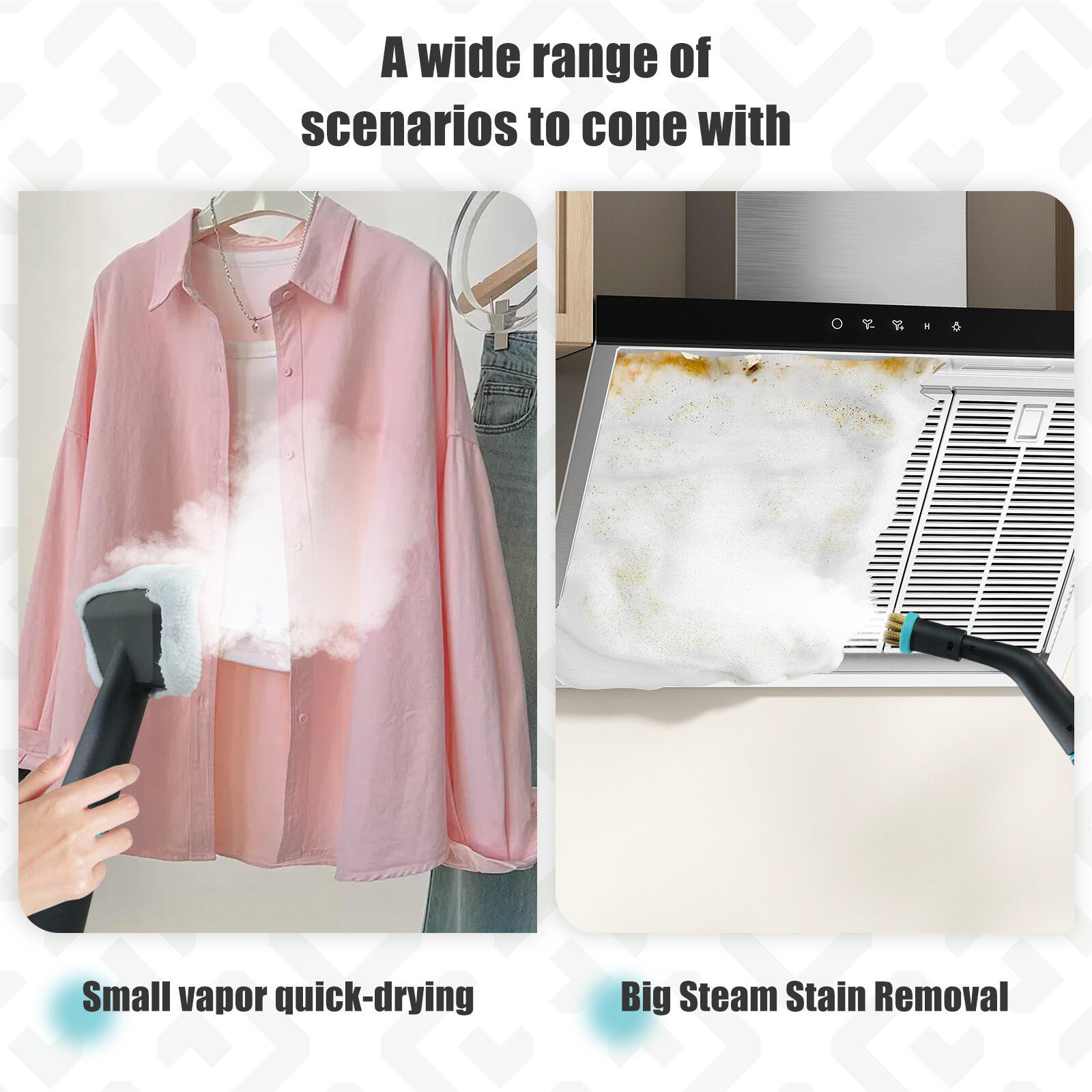
An example of system selection can be provided from an automotive shop that steam cleans engine bays. The ideal system is a 90 PSI / 1.5 GPM system with a duty cycle of at least 45 minutes for the purposes of balancing power, control, and high running time.
Examining Build Quality, Service Support, and Energy Efficiency
When it comes to construction quality, give preference to commercial-grade construction. Resist the temptation to incorporate residential-grade construction elements. Confirm the service commitment level. Companies that provide replacement parts nuts and bolts the next day put an added priority on minimizing downtime. Keep in mind the long-term effects of energy efficiency. Dry vapor systems (systems with less than 5% moisture content) use 30% less water than the older, steam-based systems, and have the additional benefit of being able to perform the sanitization of surfaces at a faster rate. Per 2024 DOE standards, systems that include an insulated, flexible steaming/hose lining and an automatic, flexible steaming/hose lining, insulated, flexible steaming/hose lining, and an automatic, flexible steaming/hose lining, insulated and automatic flexible and flexible lined systems, are energy efficient and reduce energy waste by 18%. Before you make a purchase, always verify the third party safety certification, and en 13576.
FAQ
What is the range of temperature for high-pressure steam cleaners?
High-pressure steam cleaners create steam and operate within the temperature range of 150–180°C (302–356°F). For maximum cleaning and sanitization, the use of this range for steam and high pressure is optimal.
What are the advantages for using high pressure steam cleaners to clean electronic devices?
Yes, low moisture steam (<5% moisture content) reduces the risk of water damage and makes the cleaners safe to use for cleaning electronic devices.
Which industries make use of high pressure steam cleaners?
High pressure steam cleaning and sanitization is common in industries such as food processing, pharmaceuticals, automotive refinishing, agriculture, and construction.
What should I do to meet safety standards?
Abide by the safety standards of OSHA and en 13576, complete your safety grf device a pre-operation, and log the completion of your maintenance records. Finally, complete your operator training for safe use.
When purchasing a steam cleaner, what are the important specifications that you should have at the forefront?
Among the important specifications you should have at the forefront while purchasing a steam cleaner are the PSI, flow rate (GPM), duty cycle, and energy efficiency, in addition to the third –party safety labels.