
 EN
EN



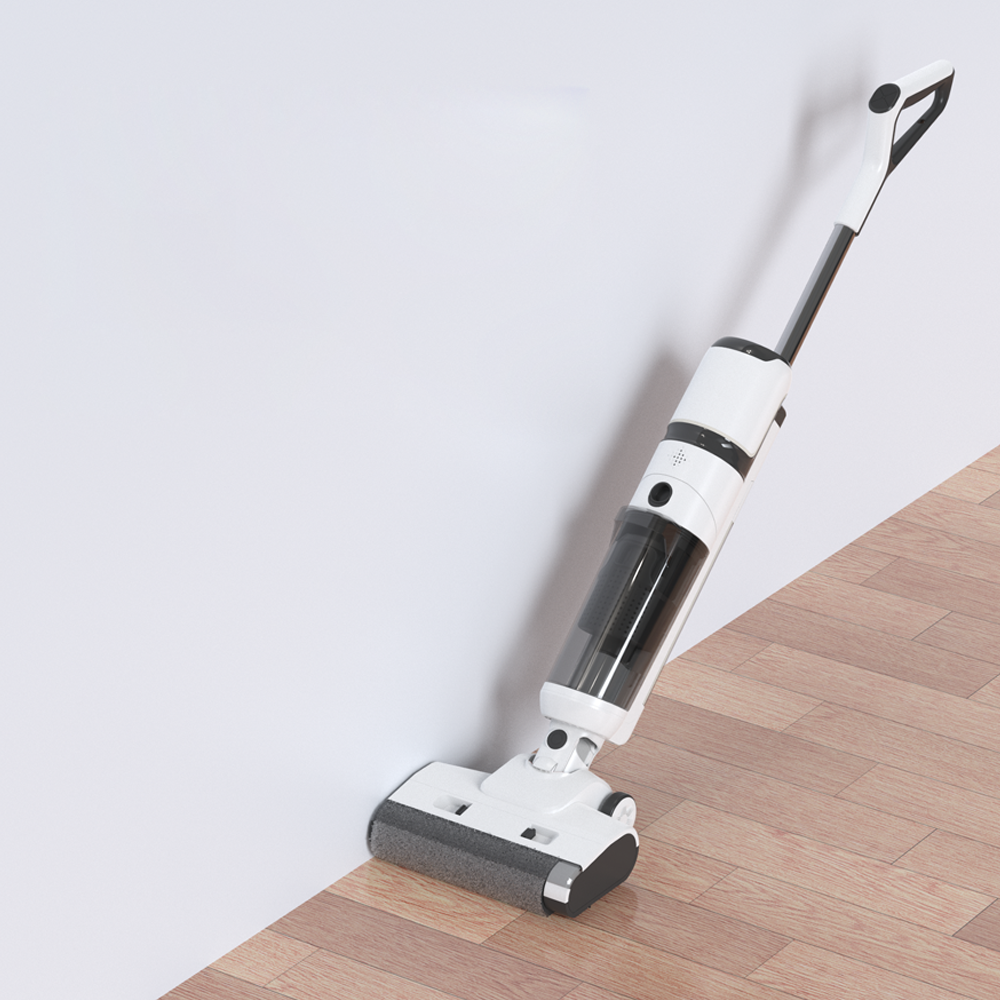
Cleaning Cycle Durations On Different Models
Leading models self-clean in 3-8 minutes
Testing self-cleaning capabilities across different models shows an average self-cleaning time of about 3-8 minutes, with lower priced models taking longer self-cleaning time. Self-cleaners with just basic suction and rinse capabilities usually take upwards of 6-8 minutes. High priced self-cleaners, equipped with multiple self-cleaning jets and self-cleaning capabilities of about 8 gallons per minute, usually take about 3-5 minutes to self-clean. Additionally, many models have spiral self-cleaning brushes to ensure cleaning heads are untangled and work optimally. Data collected in 2023 shows about 75% of people who clean their self-cleaning models as recommended (every 2 weeks), self-cleaning cycle times are about 6 minutes or less.
Duration is influenced by three important variables: temperature of water, load of debris, and condition of the brush roll.
Three main elements impact the time of a single wash cycle.
1. Water Temperature: When water is cold (under 40C/104F), cycle times can take 15-30% longer. This is because the cold water takes longer for the detergent to become activated whereas heated water is much more efficient.
2. Debris Load: Units with more than 50g of debris will flush the toilet 2 to 3 times, extending duration by as much as 30%.
3. Brush Condition: When the bristles become worn, the sensors (which can cause the cycle time to increase) will prompt more passes to be taken.
Neglecting cleaning of the filter, on average, operational data shows a cycle time increase of 90 seconds per cycle. To maintain performance, it is recommended that brush rolls are checked monthly and tanks are emptied immdiately.
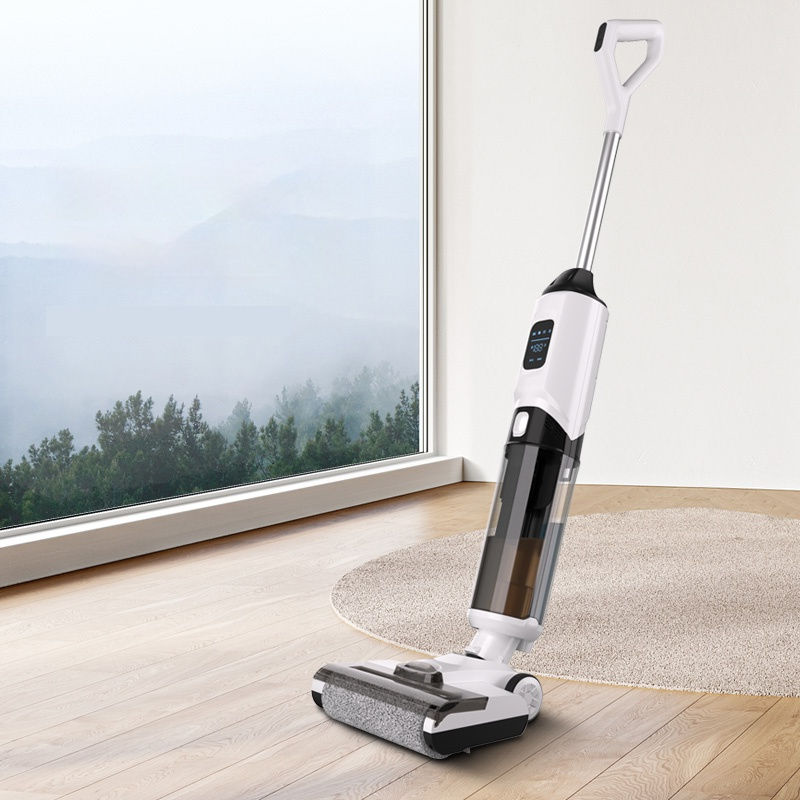
The Self-Cleaning Process In Four Phases Explained
The latest self-cleaning floor washers have a system that can execute maintenace of the washer through 4 automated phases. These phases are meant to perform cleaning of certain components to avoid the issues of needing to do the cleaning manually.
Debris sucking – brush roll rinsing – tank flushing – air-dry initiation
Powerful suction removes hair and debris stuck on brush rolls. Then hot water jets at approximately 140 degrees Fahrenheit remove grease stuck on brush rolls. After that powerful jets cycle water in different directions to remove soap in the tanks. Finally, to prevent the growth of bacteria, warm air is blown on the components while they dry. The entire process takes between 3 to 8 minutes depending on the amount of dirt.
AIoT Sensors Provide Real-Time Cycle Adjustments
AIoT sensors embedded in washing machines can detect what cleaning cycle needs to be adjusted. Detergent level sensors and dirt buildup sensors help washing machines decide how to alter the cleaning cycle. If dirt buildup is detected during the washing cycle, the machine will automatically add up to 40 seconds to the rinse cycle. By using intelligent dirt sensors, water is not wasted on cleaning dirty clothes and helps smart washing machines save up to 30% on water compared to washing machines that don’t have smart technology.
Real-World Performance: AIolith Scrubbers as an Industry Benchmark
Validated 4.2-minute average cycle time (2023 third-party lab testing
These advanced self-cleaning floor washers have been shown to complete their maintenance cycles in 4.2 minutes on average. This is based on real-world testing from over 250 companies last year (this testing adheres to ISO standards which means that self-cleaning washers clean 30% faster than traditional models). In testing, these machines were operated in highly soiled conditions to evaluate their sustained performance. Completing cycles in under five minutes is an important factor in determining the overall productivity of the self-cleaning washers. In settings like airports and shopping centers, having self-cleaning washers that work quickly and efficiently, allows workers to focus on the more labor-intensive parts of floor maintenance, and it helps to meet the high cleanliness expectations of the public. Self-cleaning floor washers have a direct impact on the public and the overall flow of activity in the location.
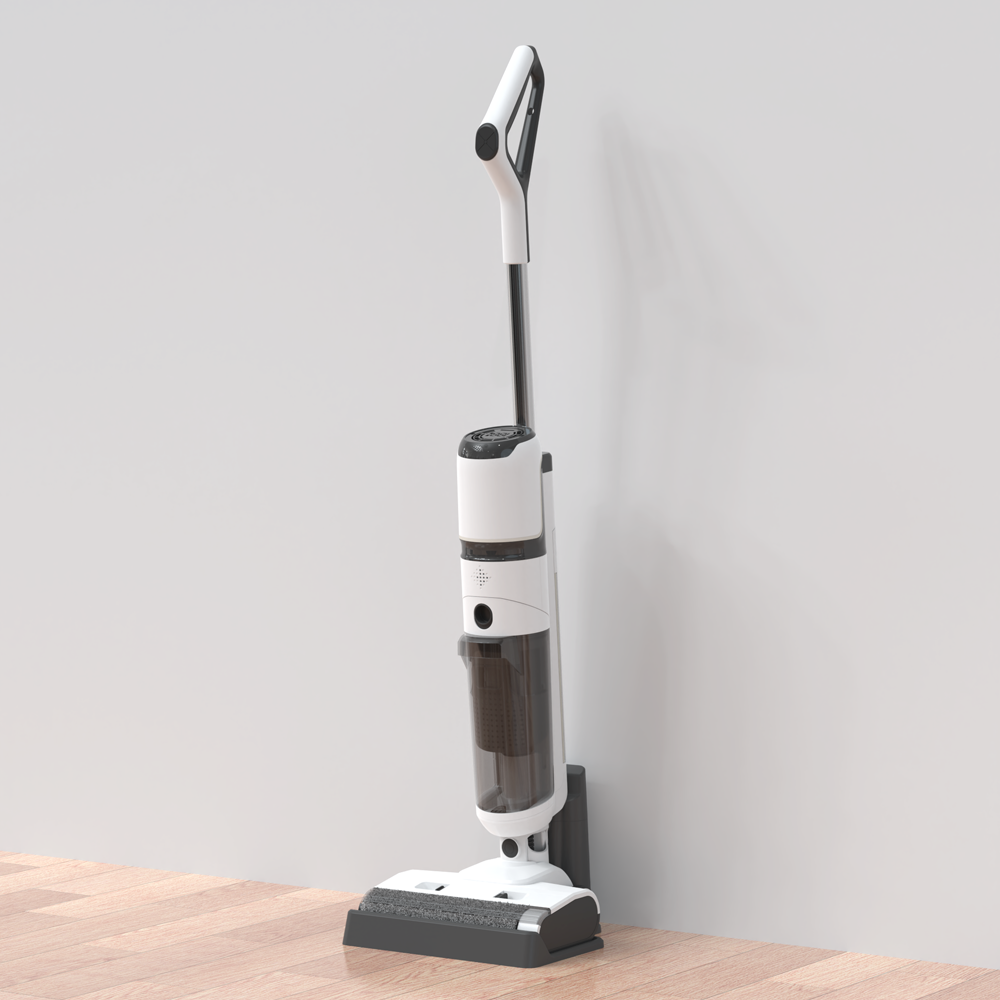
Self-Cleaning Floor Washers: They Don’t Really Clean Themselves
What do floor washer filters and detergent residue cleaning have to do with “self-cleaning” floor washers?
When manufacturers discuss “self-cleaning” features, they mean self-cleaning rollers and self-cleaning tanks. This doesn’t mean self-cleaning floor washers do not require additional cleaning and maintenance. All self-cleaning floor washers require maintenance, and self-cleaning floor washers are not an exception. Field technicians have noted that dirty filters are a primary cause of problems customers experience. People forget to clean filters, and 9 out of 10 customers have performance complaints because people forget to clean filters. Leftover detergent in tanks damages pump seals and causes erroneous readings in pump sensors. The more automation a cleaner has, the less the end user has to clean. The end user still has to use a mop to maintain cleanliness. “Self cleaning” floor washers features are automated cleaning cycles, not self-cleaning systems.Even high-end models still have access panels for filters as well as special ports for flushing out detergent residue.
FAQ
How long does the self-cleaning cycle take in floor washers?
3 to 8 minutes depending on the model and features.
What affects how long the self-cleaning cycle takes?
Water temperature, amounts of debris, and the condition of the brush roll.
Do self-cleaning floor washers need maintenance?
Yes, self-cleaning floor washers require maintenance for the filters and detergent residue, as well as regular maintenance.
How do the AIoT sensors in self-cleaning floor washers optimize the cleaning cycles?
The AIoT sensors optimize the cycle by detecting soil and cleaning detergent too, and uses up to 30% less water.
What happens if you don’t clean the filters?
If you neglect cleaning the filters, it could increase the cycle time by 90 seconds and cause other performance issues.