
 EN
EN



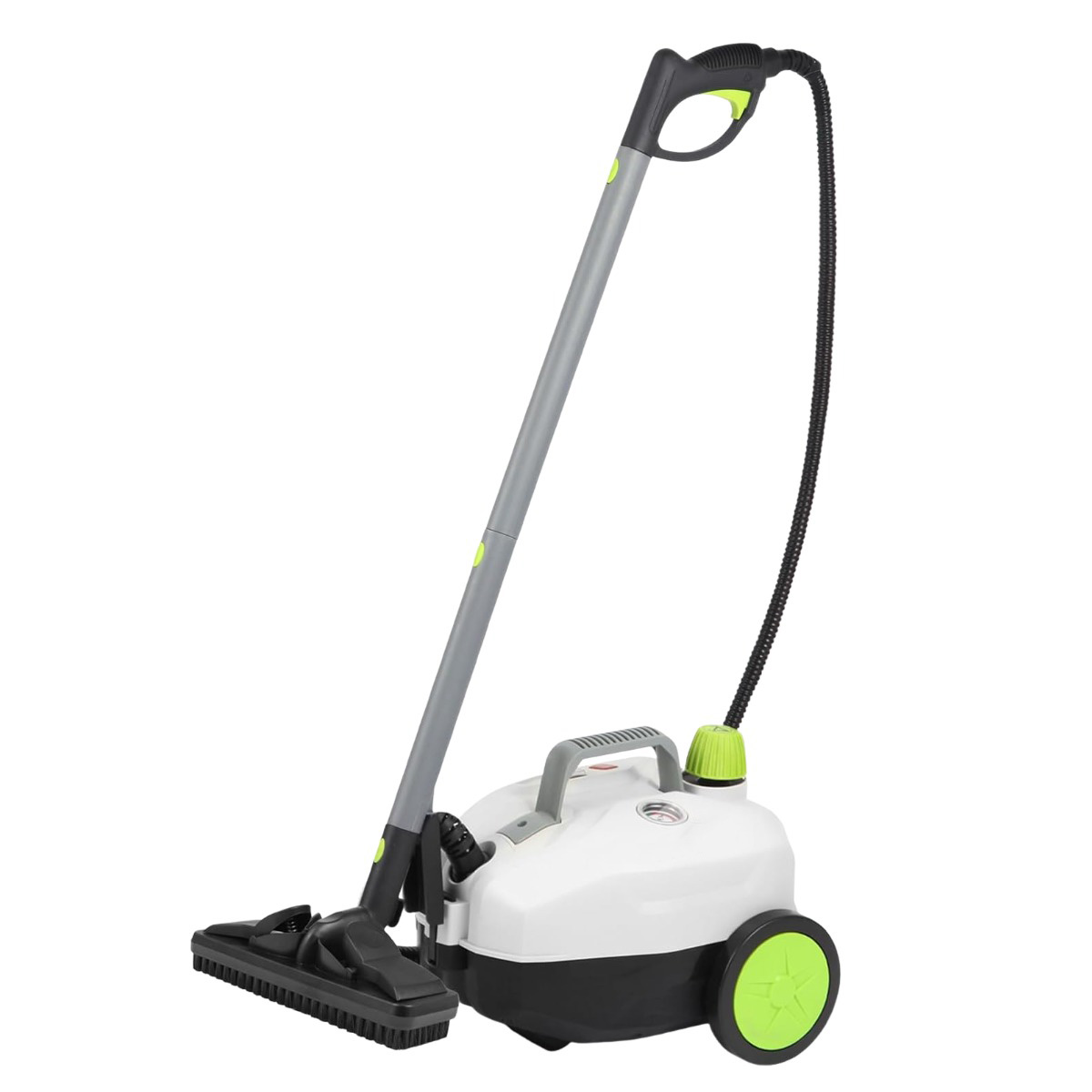
Understanding the High-Pressure Steam Cleaners and Your Needs
Why High Pressure Steam Cleaners Are Misleading
Many people assume that commercial model pressure (anything above 100 PSI) cleans better around the house. It actually just wrecks surfaces around the home. Research shows that around 70% of cleaning tasks are successfully completed with pressure below 50 PSI. The major issue with powerful machines is that they shoot water into surfaces that are not sealed, and that’s how we get warped wood and mold. This is why big name companies now advertise home models. They emphasize power reduction because no one wants their siding ripped to shreds just to get the dirt.
The Sweet Spot: 35 to 75 PSI Effective Cleaning and Safe to Use
As part of our testing and product development, we have discovered that 35 to 75 PSI is the optimal range to ensure 95% removal of everyday cleaning needs, like removing greasy stains and soap residue. Also, at these pressures, home cleaning uses enough force to not force water into absorbent materials, keep glued wood and vinyl in good shape, and less likely to cause accidents. Research has shown that the steam at 75 PSI and above is the same as the 150 PSI steam and above to kill germs if the steam is at 100°C or higher. Choosing the lower end range of steam PSI will in fact make the machine last longer in the long run as the steam machine will not have to work as hard. 35 to 75 PSI is the sweet spot!
High-Pressure Steam Cleaner Compatibility: What Surfaces Are Considered Safe?
Safe: Tile, Grout, Sealed Hardwood, & Stainless Steel
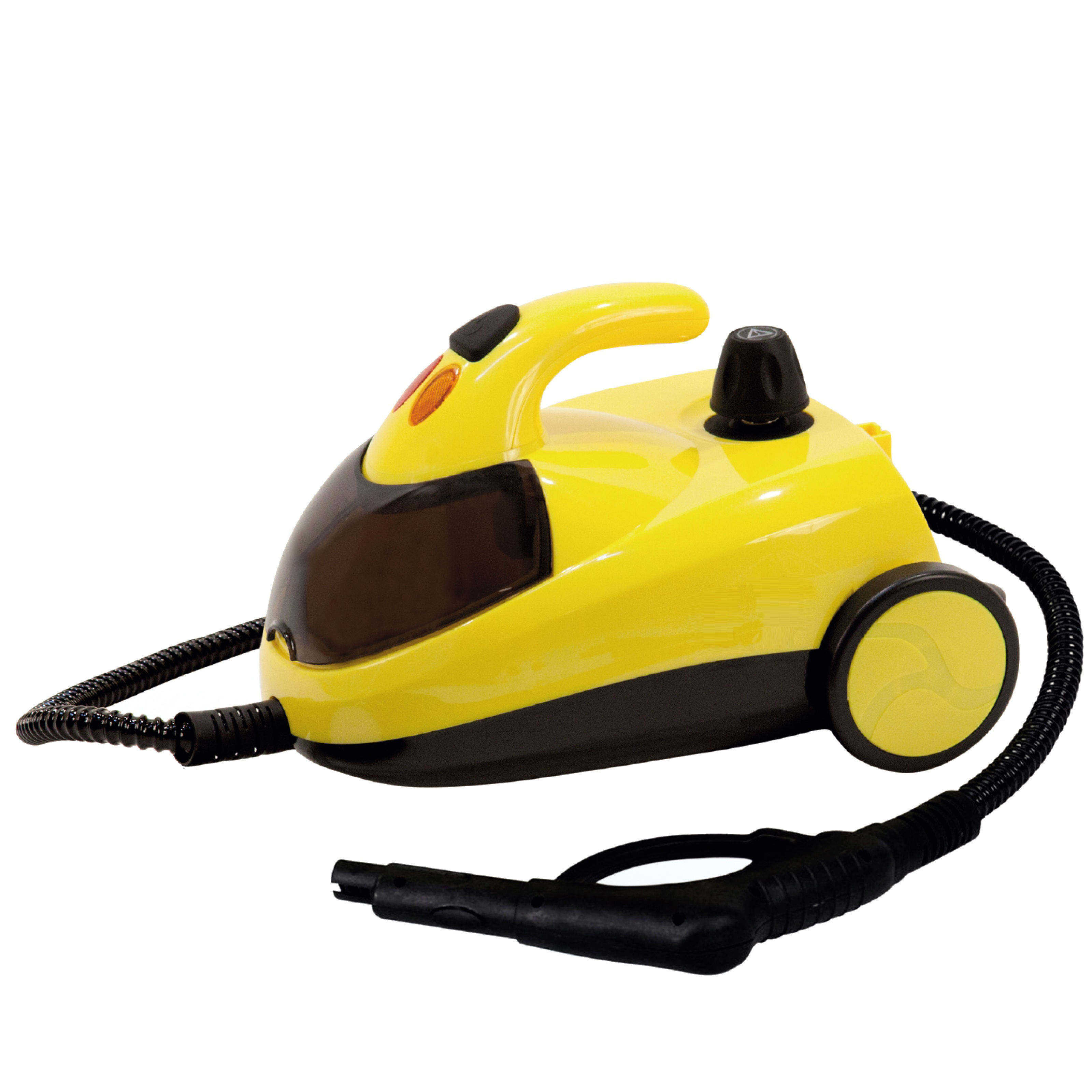
Non-porous and durable surfaces work best with high-pressure steam cleaners. For instance, ceramic tiles steam cleaning is best to pull dirt from those tiny, hard to reach cracks, and remove chemicals. For hardwood floors, steam cleaning is best done after the surface is properly sealed. This is to ensure that water does not penetrate the surfaces. The steam will still disinfect the surface. For cleaning stainless steel, the combined steam and pressure is best to remove dirt and, and disinfect the surface, while also preventing streaking. A general rule is to keep the nozzle at least six inches from the surface being cleaned. Also, use sweeping motions to clean the surface instead of holding the nozzle at the same place to allow cycling of steam and pressure. This will cause an even distribution of temperature to the surface being cleaned.
Unsafe Surfaces: Unsealed Wood, Vinyl Plank, Painted Drywall, and Electronics
High-pressure steam can drives moisture deep into various materials, creating permanent damage that can disrupt their structural integrity. Unsealed wood, for example, will warp sooner than later once steam works its way into the grain. Vinyl planks lose adhesion and lift at the seams during steam exposure. Drywall bubbles are a result of steam, and heat, that weakens wall structure leading to costly repairs later. Electronics can short circuit from exposure to steam. An important thing to remember is that steam pressure can cause damage above 50 PSI and that most manufacturers void their warranties. Before major work, check for hidden pockets. Take care to use the right nozzle to avoid steam trapping water and other moisture.
Health-Friendly Steam Cleaner Sanitization Advantages for Your Home
Chemical Free Allergen & Pathogen Elimination
Health-conscious families want to eliminate germs without using harsh chemicals to do so. High-pressure steam cleaning is a great solution. High-pressure steam cleaning devices release super heated steam to those hard to reach areas where dirt and germs hide. They kill dust mites, mold spores, and all of those other sneaky offenders. The intense heat from the steam, inactivates and destroys harmful bacteria, such as Salmonella and E. coli, without the use of chemicals. This is great families with children and people suffering from allergies. High-pressure steam cleaning leaves no sticky residues which also leaves fewer areas for new grime to accumulate.
Research Results: Steam at Greater than or Equal to 100 Degrees Celsius for Greater than or Equal to 3 Seconds = 99.99% Reduction of Microorganisms.
Steam is a strong contender for germ killing technology. In studies, steam at 100 degrees Celsius for three seconds kills 99.99% of microbiotic life. The International Food Safety Council states that this temperature is high enough to rupture the cells of viruses and bacteria, including the tough ones that are resistant to antibiotics. Interestingly enough, home steam cleaners can achieve the same results, albeit at a little less than 100 degrees Celsius. They operate at approximately 35 to 75 psi, which is a pressure significantly less than an industrial steam cleaning system. This means that a home steam cleaning system can kill pathogens on surfaces without the risk of destroying fragile surfaces.
Choosing the Optimal Criteria for a High-pressure Steam Cleaner for Home Use
Look for Features Like Adjustable Pressure, Low Moisture Output, and a Comfortable Handle
Choosing a residential high-pressure steam cleaner is all about practicality and finding the right level of power balance. For steam cleaner pressure adjustability from 35 - 75 psi is a good range for providing protection against damage when cleaning sealed wood flooring and cleaning tough stains on tough tiles. Moisture level output features are important. A steam cleaner that output 50 milliliters of steam per minute is preferable as it will leave the floor drier, resulting in less wet spots and puddles. It is also important to find one with a comfortable handle. Parts that weigh less than 5 pounds should be considered as it makes cleaning longer less tiring. All of these features combined contribute to a high pressure steam cleaner that will be able to help you clean quickly and efficiently get in all the tight spaces in the house while also helping to reduce accidents.
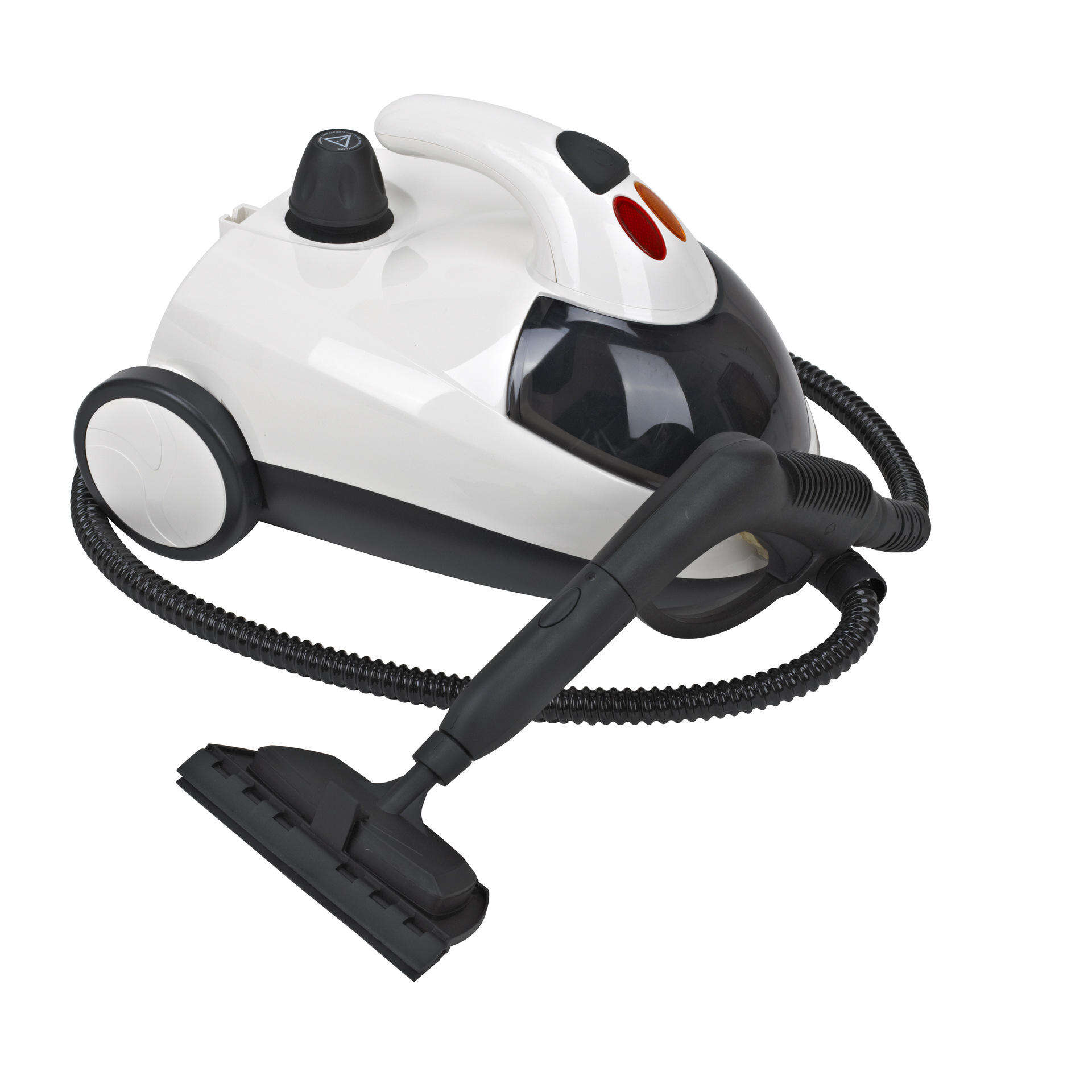
Important Features and Attachments at Home
It is better to choose tools that are designed for home use than to buy commercial grade tools that use heavy duty designs that are not needed or used at home. Microfiber cloths, crevice tools that get in tight spaces and behind and beside baseboards, soft-bristle brush tools designed for furniture and other easy to damage surfaces, and triangular corner head tools designed to fit in the corners of a room (the corners where dust bunnies live) are all good examples. Ideally, they should heat up in under a minute. Built in safety features are crucial to help prevent incidents. Battery operated tools are used to help them be moved more easily, and water collection tanks that are clear are available to help users determine when a water refill is needed. All of these professional level results are the same as all of the good features. Professionals add too much of the not needed or used features.
Frequently Asked Questions
What Do I Need A Steam Cleaner For?
Home use and high-pressure steam cleaners are not recommendations because home surfaces can be easily damaged, and unsealed wood can be warped by trapping steam and causing mold.
What is the best steam cleaning pressure for home use?
For home use cleaning and germ removal, the pressure should be from 35 to 75 PSI.
Can steam cleaners disinfect without using chemicals?
Absolutely. Steam cleaning assists to eliminate bacteria and allergens, plus there are no chemicals involved.
What surfaces can you use high pressure steam cleaning on?
You can use high pressure steam cleaning on ceramic tile, sealed grout, and stainless steel. High pressure steam cleaning is not safe for unsealed wood, vinyl plank, and especially not safe for electronics.
What should I look for in a steam cleaner for home use?
Choose steam cleaners that have variable pressure, lower moisture output, is more ergonomic, and one that comes with cleaning attachments such as microfiber cloths and soft bristle brushes.