
 EN
EN



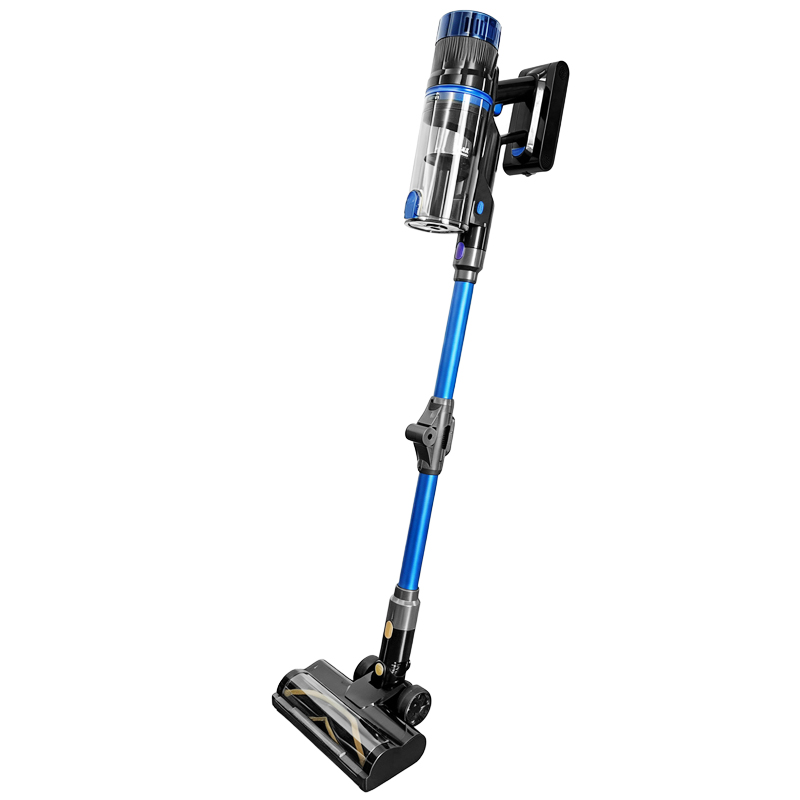
Car Cleaning Demands Different Engineering Than Home Cleaning
A portable handheld vacuum designed for car cleaning operates in an environment that home vacuums never encounter: confined spaces requiring 90-degree nozzle articulation, surfaces ranging from smooth dashboard plastic to deep-pile floor mats, debris types from fine sand to pet hair embedded in upholstery weave, and the absence of household electrical outlets for unlimited runtime. These constraints define a different performance specification than the suction-power-alone metric that dominates home vacuum marketing.
Car cleaning effectiveness depends on three performance characteristics working together: suction pressure for extracting debris from crevices and fabric, airflow volume for capturing surface dust across larger flat areas like floor mats and cargo liners, and nozzle design for accessing the spaces between seats, under pedals, and around center consoles where debris accumulates. A vacuum with 20kPa suction but a nozzle too wide to fit between the seat and center console misses the debris that a 15kPa unit with a slim crevice tool captures.
A mobile auto detailing service replaced their corded shop vacuums — requiring extension cords from customer locations — with cordless handheld vacuum units delivering 32kPa BLDC suction. The switch eliminated 5–8 minutes per job of cord deployment. Cordless operation allowed cleaning vehicles without accessible outlets — apartment garages, street parking, underground lots — expanding the service's addressable customer base by approximately 25%.
Suction Specifications That Matter for Cars
The kPa Number in Context
A handheld vacuum specification of 20kPa sealed suction means the motor generates enough pressure differential to lift a column of water 2 meters high when the nozzle is completely blocked — a laboratory measurement of maximum static pressure, not a real-world cleaning measurement. The practical cleaning suction at the nozzle tip during actual debris pickup is 40–60% of the sealed suction rating because airflow through the open nozzle reduces the pressure differential.
For car cleaning: 8–12kPa handles surface dust on dashboard, door panels, and center console. 15–20kPa extracts debris from fabric seats and standard floor mats. 25–32kPa extracts embedded sand from deep-pile carpet and pet hair from upholstery. The motor's ability to maintain suction as the dust cup fills — not just peak sealed suction — determines cleaning consistency throughout a session.
The motor type directly affects sustained performance. A BLDC motor with electronic speed control maintains target motor speed as battery voltage declines and dust cup fills — suction remains consistent. A brushed DC motor at the same peak specification delivers declining suction as the battery discharges, with the last 5 minutes of cleaning providing noticeably less power than the first 5 minutes.
Airflow: The Overlooked Specification
Suction pressure (kPa) pulls debris into the nozzle; airflow volume (CFM or L/s) carries it through the hose to the dust collection system. High suction with low airflow — the narrow-crevice-tool scenario — extracts debris from tight spaces but pushes limited air volume, making large-surface cleaning slow. High airflow with low suction moves air quickly but cannot extract embedded debris.
Car cleaning needs both. The crevice tool scenario — extracting crumbs from the seat-crease gap — requires pressure. The floor mat scenario — capturing surface sand across a 0.5m² area — requires airflow. Handheld vacuums optimized for car use balance these specifications at approximately 15–25kPa suction with 15–25 L/s airflow. Units exceeding 30kPa tend toward lower airflow (thinner airflow path for higher velocity) and excel at crevice cleaning but require more passes for broad surfaces.
Battery Capacity for Vehicle Cleaning Sessions
A complete car interior cleaning — vacuuming front and rear footwells, seats, cargo area, and crevices — requires 15–25 minutes of active vacuuming. A handheld delivering 30 minutes on medium power completes the task on a single charge. A handheld delivering 15 minutes on medium power requires battery management — completing front seats, then rear, with priority decisions about which areas receive attention before the battery depletes.
Frequently Asked Questions
How many kPa does a handheld vacuum need for car cleaning?
15–20kPa handles standard car cleaning — surface dust, crumbs, seat debris. 25–32kPa extracts embedded sand from deep carpet mats and pet hair from upholstery. The sustained suction (not peak) determines whether performance holds through the entire cleaning session. Texous P11C delivers 32kPa with BLDC motor for consistent sustained performance.
Is cordless or corded better for car detailing?
Cordless eliminates the extension cord hassle — 5–8 minutes saved per job — and enables cleaning vehicles without nearby outlets. Corded provides unlimited runtime and consistent power. Mobile detailers prefer cordless for flexibility; fixed-location detailers with permanently routed power may prefer corded for unlimited runtime.
What runtime do I need for a complete car interior clean?
20–30 minutes on medium power covers front seats, rear seats, footwells, and cargo area. Entry-level handhelds delivering 12–15 minutes on medium require battery management strategy — prioritize areas, complete in stages. Stick vacuums with removable handheld modules offer 25–40 minutes of medium-power runtime.
What attachments are essential for car cleaning?
Crevice tool (narrow, angled nozzle) for seat gaps and console edges. Brush tool (soft bristles) for dashboard and vents without scratching. Motorized mini-brush for pet hair on upholstery. Flexible hose extension for under-seat access. Texous handhelds include multi-functional attachment sets covering these use cases.
How does a handheld vacuum handle wet debris in cars?
Standard handheld vacuums are not rated for wet pickup — moisture damages the motor and filter. Wet-dry rated handheld units include sealed motor housings and washable filters designed for occasional liquid pickup. For regular wet cleaning, dedicated wet-dry shop vacuums provide higher liquid capacity than handheld form factors.
How important is weight and ergonomics for car cleaning?
A handheld vacuum under 2kg allows single-hand operation at awkward angles — reaching under seats, between doors, above sun visors. Units over 3kg cause operator fatigue during the 15–25 minute car cleaning session. The balance point — where the vacuum's center of mass sits relative to the grip — affects handling comfort as much as total weight.