
 EN
EN



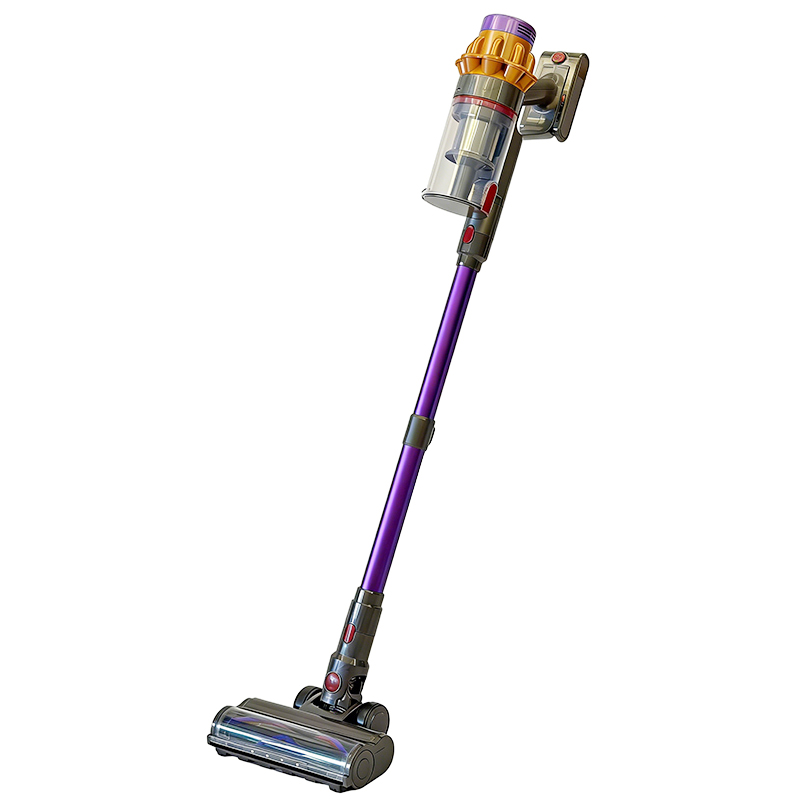
How To Clean The Filters Of A Canister Vacuum Correctly?
A homeowner noticed her canister vacuum was struggling. The suction was weak, the motor sounded strained, and dust was escaping from the exhaust. She had been using the same filter for two years without ever cleaning it. When she finally opened the filter compartment, the filter was caked with dust so thick that air could barely pass through.
Filters are the most overlooked component of a canister vacuum. They trap dust, allergens, and debris, protecting the motor and keeping exhaust air clean. But filters do not last forever—they need regular cleaning or replacement. Cleaning a filter correctly is just as important as cleaning it regularly. Doing it wrong can damage the filter, reduce suction, or even harm the motor.
Understanding Canister Vacuum Filters
Most canister vacuums have two or three stages of filtration:
Pre-motor filter. This filter sits before the motor and traps large particles. It is usually washable foam or felt. Its job is to protect the motor from dust and debris.
HEPA or post-motor filter. This filter sits after the motor and traps microscopic particles—allergens, fine dust, and pollutants. It ensures the air exhausted from the vacuum is clean. Many HEPA filters are not washable and must be replaced.
Some models have a third stage. A carbon filter or additional foam layer for odor control or extra particle capture.
Knowing which filters your canister vacuum has and which are washable is the first step to proper maintenance.
How to Clean a Washable Pre-Motor Filter
Step 1: Turn off and unplug the vacuum.
Always start with the machine powered down and unplugged.
Step 2: Locate and remove the filter.
Consult the user manual to find the filter compartment. It is usually near the dust container or motor housing. Carefully remove the filter.
Step 3: Remove loose dust.
Tap the filter gently against a hard surface or use a soft brush to remove loose dust and debris. Do this outside or over a trash bin to avoid spreading dust indoors.
Step 4: Rinse with cool or lukewarm water.
Hold the filter under running water. Use cool or lukewarm water—hot water can damage the filter material. Gently squeeze the filter to release trapped dirt. Do not twist or wring it aggressively, as this can distort the shape.
Step 5: Allow to dry completely.
This step is critical. Place the filter in a well-ventilated area and allow it to dry for 24 hours or until completely dry. A damp filter placed back in the vacuum will clog quickly and may allow moisture to reach the motor.
Step 6: Reinstall.
Once completely dry, reinstall the filter according to the manufacturer's instructions. Ensure it is seated correctly to prevent air leaks.
How to Clean a HEPA or Post-Motor Filter
Check the manufacturer's instructions before cleaning a HEPA filter. Some HEPA filters are washable; many are not.
For washable HEPA filters: Follow the same steps as above—tap off loose dust, rinse with cool water, and air dry completely. Never use soap or detergent unless specified by the manufacturer.
For non-washable HEPA filters: Do not attempt to wash them. Water will damage the filter media and reduce its effectiveness. Instead, tap off loose dust and replace the filter according to the manufacturer's recommended schedule—typically every 6–12 months.
Common Mistakes to Avoid
Washing a non-washable filter.
This is the most common mistake. Non-washable filters are made of materials that break down when wet. Washing them destroys the filter's ability to trap fine particles.
Not drying the filter completely.
A damp filter restricts airflow, reduces suction, and can allow moisture to reach the motor. Always allow 24 hours for drying.
Using hot water or detergent.
Hot water can melt or warp filter materials. Detergents can leave residue that clogs the filter. Use cool water only.
Reinstalling a wet filter.
Never put a damp filter back into the vacuum. Even a slightly damp filter will clog quickly and may cause motor damage.
Skipping the pre-cleaning step.
Rinsing a heavily caked filter without first tapping off loose dust pushes dirt deeper into the filter material, making it harder to clean.
How Often Should You Clean Canister Vacuum Filters?
Pre-motor filter: Clean every 1–3 months, depending on usage. Heavy use—daily vacuuming or vacuuming in dusty environments—requires more frequent cleaning.
HEPA or post-motor filter: Replace every 6–12 months for non-washable filters. Washable HEPA filters should be cleaned every 3–6 months.
Signs that filters need attention: Reduced suction, unusual motor noise, dust visible in the exhaust, or a musty smell from the vacuum.
A Real-World Example: The Apartment Dweller
A city apartment dweller with allergies used her canister vacuum daily. She noticed her symptoms worsening despite regular vacuuming. A friend suggested checking the filters. When she opened the filter compartment, the pre-motor filter was gray with dust, and the HEPA filter had not been replaced in 18 months.
She cleaned the pre-motor filter and replaced the HEPA filter. The difference was immediate—the suction was stronger, and her allergy symptoms improved within days. She marked her calendar for filter cleaning every two months and HEPA filter replacement every six months.
Extending Filter Life
A few practices extend filter life and maintain suction:
Empty the dust container before it is full. A full container reduces airflow and forces the motor to work harder, which can damage filters.
Tap off loose dust after each use. A quick tap removes surface dust and extends the time between deep cleanings.
Keep spare filters on hand. Having a spare pre-motor filter allows you to swap in a clean filter while the other dries.
Check the filter compartment for damage. Cracks or worn seals allow unfiltered air to bypass the filter.
Frequently Asked Questions
How often should I clean my canister vacuum filter?
Clean the pre-motor filter every 1–3 months. Replace non-washable HEPA filters every 6–12 months. Washable HEPA filters should be cleaned every 3–6 months. More frequent cleaning is needed with heavy use.
Can I wash a HEPA filter?
Some HEPA filters are washable; many are not. Check the manufacturer's label. Washable HEPA filters should be rinsed with cool water and air-dried completely. Never use soap or hot water unless specified.
Why does my canister vacuum smell bad?
A musty smell usually indicates a damp or dirty filter. Clean or replace the filters and allow them to dry completely before reinstalling. Check the dust container for trapped moisture as well.
What happens if I don't clean the filter?
A dirty filter restricts airflow, reducing suction and straining the motor. Over time, this can cause the motor to overheat and fail. Dirty filters also release dust and allergens back into the air.
Can I use my canister vacuum without a filter?
No. The filter protects the motor from dust and debris. Running the vacuum without a filter will damage the motor and void the warranty.
How do I know when to replace a filter instead of cleaning it?
Replace the filter when it shows visible damage, such as tears, holes, or warping. Also replace it if cleaning does not restore suction, or if the filter has reached the manufacturer's recommended replacement interval.