
 EN
EN



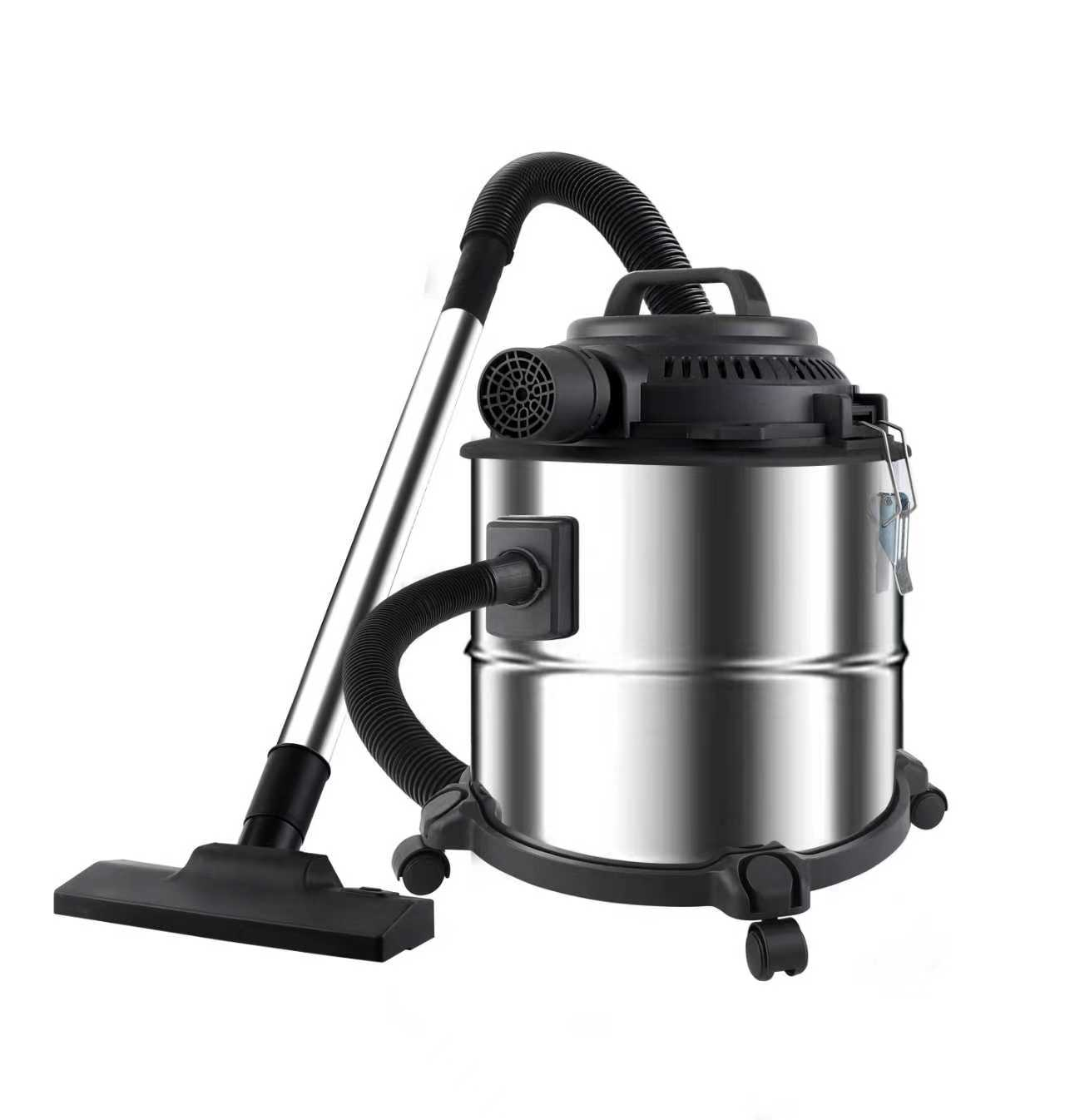
Why Wattage Alone Doesn't Tell the Full Story
Selecting a corded vacuum cleaner based solely on its rated wattage — 600W, 1,200W, 2,000W — is like choosing a car by engine displacement while ignoring transmission gearing and vehicle weight. The wattage rating indicates electrical power consumed, not cleaning effectiveness delivered. Two machines rated at 1,000W can produce dramatically different cleaning results because motor efficiency, airflow path design, and nozzle engineering determine how much of that electrical input actually reaches the floor as useful suction.
The metric that matters is air watts — a calculated value combining airflow (cubic feet per minute or liters per second) and suction pressure (inches of water lift or kilopascals). Air watts measure the actual cleaning power delivered at the nozzle rather than the electricity consumed at the wall outlet. A well-engineered 800W motor with efficient impeller design and sealed airflow paths can deliver 250 air watts, while a poorly designed 1,200W motor might deliver only 200 air watts due to internal leakage and inefficient energy conversion.
A cleaning service company operating 30 commercial corded vacuum cleaner units evaluated motor power when replacing their fleet. The previous 1,200W machines were replaced with 900W BLDC (brushless DC) motor units delivering equivalent airflow at 25% lower electrical consumption. The switch reduced the company's annual electricity cost by approximately $1,800 across the fleet while maintaining performance — savings achieved by selecting motor efficiency rather than maximum wattage.
Understanding Vacuum Motor Specifications
Motor Types and Efficiency
A corded vacuum cleaner typically uses one of two motor types. Universal brushed motors — the traditional design — operate on AC power and use carbon brushes that transfer electricity to the rotating armature through physical contact. These motors are inexpensive to manufacture but convert only 35–50% of electrical input to useful mechanical output. The carbon brushes wear down over 500–1,000 hours of operation, requiring replacement and producing carbon dust that can contaminate downstream HEPA filtration.
BLDC motors — brushless DC motors with electronic commutation — convert 65–85% of electrical input to mechanical output. The elimination of brush friction and the use of permanent magnet rotors with electronic speed controllers provide higher efficiency at all operating speeds. BLDC motors deliver consistent suction across the full speed range rather than the suction drop that universal motors experience at lower speeds. The absence of carbon brushes eliminates the primary wear component, extending motor life to 2,000–5,000 hours.
The practical impact on cleaning performance is most noticeable at lower power settings. A universal motor running at 50% speed delivers approximately 30–40% of maximum suction because the efficiency curve drops non-linearly. A BLDC motor at 50% speed delivers 55–65% of maximum suction — the flatter efficiency curve means more usable cleaning power at the moderate settings used for delicate surfaces.
Sealed Suction and Airflow Path Design
Motor power means nothing if the vacuum leaks. The suction path from floor nozzle through dust collection system to motor intake, then through motor exhaust to post-motor filter, must be aerodynamically sealed. Leaks at hose connections, dust cup seals, or filter housings bypass airflow around the intended path, reducing nozzle suction without any indication on the power rating label.
Sealed suction systems maintain consistent pressure differential from nozzle intake to motor exhaust. The design requires precisely fitted connections, gaskets at all union points, and filter housings that compress seals rather than relying on friction fit. A vacuum delivering 20kPa of sealed suction with a 28mm-diameter nozzle generates approximately 12 newtons of lifting force — sufficient to lift a 1.2kg weight — while an unsealed system with the same motor might deliver half that lifting force because half the airflow never reaches the nozzle.
Frequently Asked Questions
What wattage corded vacuum cleaner is sufficient for home use?
800–1,200W with a BLDC motor provides adequate cleaning power for hardwood floors, low-pile carpet, and area rugs. High-pile carpet and homes with multiple pets benefit from 1,200–1,600W to maintain suction under the higher airflow resistance that thick carpet creates. Motor efficiency matters more than wattage — a 900W BLDC motor often outperforms a 1,400W universal motor.
Is higher wattage always better for cleaning performance?
No. Wattage measures electrical input, not cleaning output. Air watts — calculated from airflow and suction pressure — measure actual cleaning power. A well-engineered 800W vacuum can deliver more air watts than a poorly designed 1,200W model. Texous manufactures corded vacuums engineered for efficient energy-to-suction conversion.
How does a BLDC motor differ from a traditional brushed motor?
BLDC motors use electronic commutation instead of carbon brushes, eliminating the primary wear component and improving electrical efficiency from 35–50% to 65–85%. BLDC motors deliver more consistent suction across speed ranges and last 2,000–5,000 hours versus 500–1,000 hours for brushed motors.
What is considered good suction pressure for a corded vacuum?
15–20kPa (kilopascals) provides adequate suction for hard floors and low-pile carpet. 20–30kPa handles medium-pile carpet and pet hair. Above 30kPa addresses high-pile carpet and deep cleaning applications. Suction specification should be measured as sealed suction — the maximum pressure with the nozzle completely blocked — to compare machines on consistent testing conditions.
How does sealed suction affect cleaning effectiveness?
A sealed system ensures the pressure differential generated by the motor reaches the floor nozzle rather than leaking through hose connections and filter housings. The same motor in a sealed system delivers 60–80% more cleaning power at the nozzle than in an unsealed system where airflow bypasses through leaks.
What maintenance preserves corded vacuum motor performance?
Filter cleaning or replacement per manufacturer intervals — typically every 1–3 months for pre-motor filters, 3–6 months for HEPA exhaust filters. Full dust cup or bag condition increases airflow resistance, reducing effective suction. Brush roll cleaning prevents the hair wrap that increases motor load by restricting airflow at the nozzle intake.