
 EN
EN



Liters vs US Gallons: Standard Measurements and how Accurate the Conversion is.
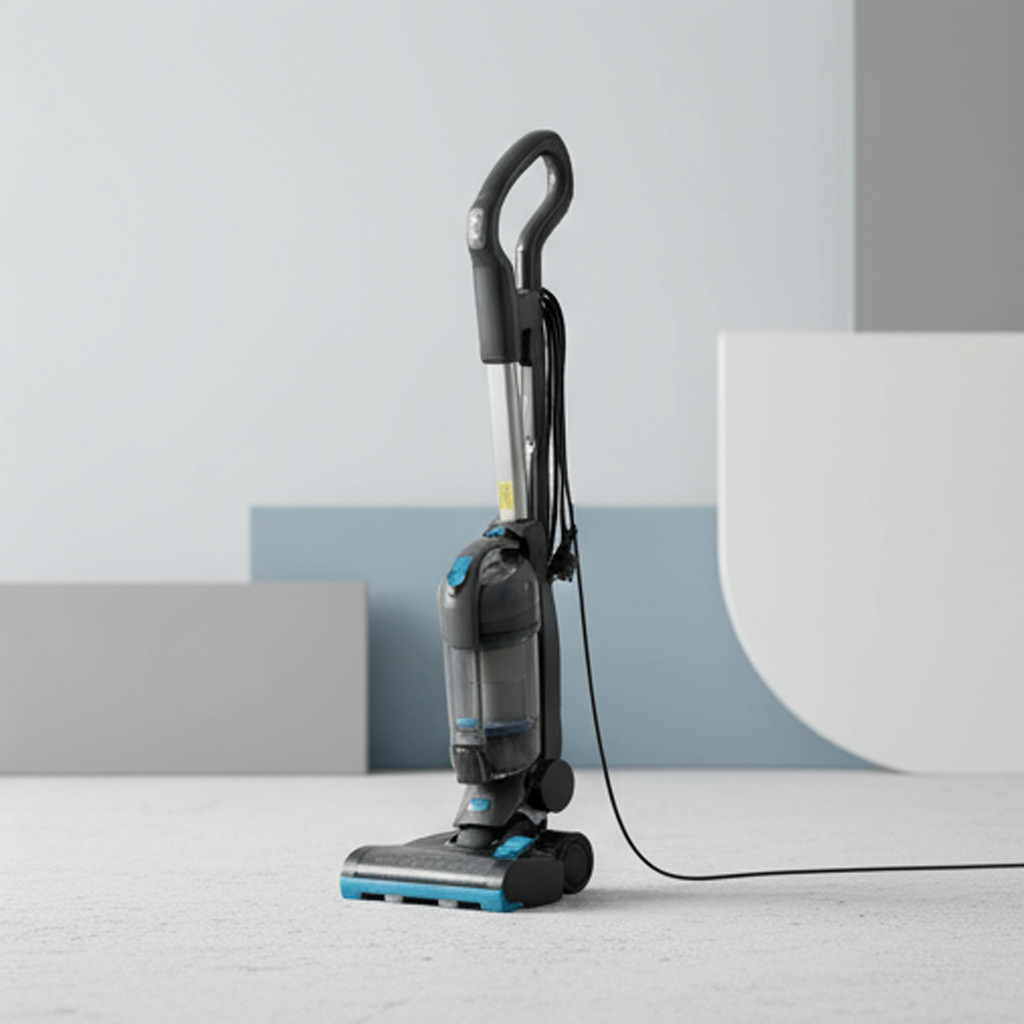
Most canister vacuums have dust tank capacity measured in liters these days, as that is the more common international standard for volume measurements. However, some products sold in the US still use gallons, so you have to remember that 1 liter roughly equals 0.264 gallons. To illustrate, a 10 liter tank bin would hold approximately 2.64 gallons, and not the rounded off 3 gallons some advertisements suggest. This kind of advertising can be misleading and can make it difficult to determine the frequency of and how much you will have to empty the bin. Big brand names have already gone fully to liters for all their products sold in the whole world. It is indeed very logical, and more so, no more mistakes when converting measurements or confusion when a customer is shopping online or comparing products in different countries.
Rated vs Usable Capacity: Filtration, Debris Density and Airflow Impact on Effective Volume
The rated capacity is how much space is in the tank, assuming it is completely empty and has nothing in it. However, in practice, this number is usually 20-30% less. When dirt accumulates, those fancy filters, especially pleated ones or HEPA, begin to restrict airflow. This creates dead zones in the tank where dust settles and does not get properly moved. Densely packed materials (wet pet hair, wall sawdust, and crushed carpet) take up a lot of space and reduce airflow. Some manufacturers test their models in a way that provides an unrealistic expectation of performance. Third party tests show that vacuum power noticeably decreases when the tanks filled over 65-70%. Usable volume provides a more practical sense when considering everyday cleaning.Typical Canister Vacuum Dust Tank Capacities by Use Case
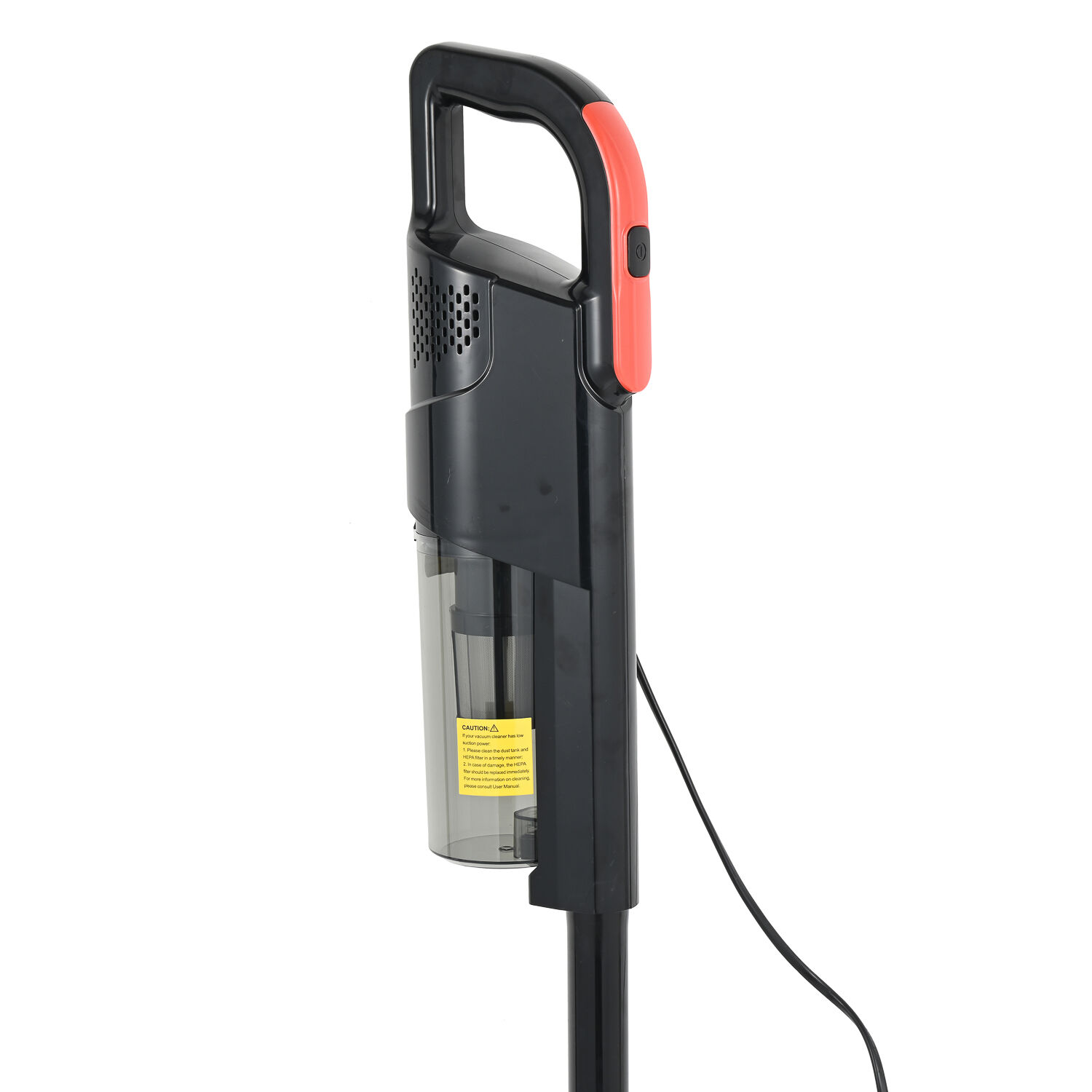
The right size dust tank for a canister vacuum ultimately depends on whether it will be used for domestic or commercial purposes. For most homes, dust tanks that are 4 to 9 litres suffice, as this is enough to accommodate for vacuuming various textures of carpets, hardwood, and picking up pet dander without having to stop every couple of minutes. Professional cleaners, however, are a bit more demanding. Construction contractors, for example, opt for vacuum canisters that are 12 to 25 litres, so they are not stopping in the middle of cleaning on long, demanding days. Ultimately, getting the right tank size determines the productivity of a cleaner, whether they are working in a home, or a construction site.
How Tank Size Affects Functionality and Performance in Real-Life Applications
Tall Dust Tanks and Longer Hoses vs Mobility and Center of Gravity
Larger dust tanks increase a canister vacuum’s weight by 15% to 30%. As a result, a dust tank’s center of gravity will shift further and higher towards the back of the vacuum, making the vacuum less stable when riding up stairs and more difficult to control when navigating under furniture or through narrow hallways. The purpose of canister vacuums is to be lightweight and simple to maneuver over a variety of surfaces, but larger dust tanks do not offer the same maximum maneuverability. Dust vacuums with larger tanks also have shorter hoses. The majority of canister vacuums with over 12 liters of dust tank storage only have hoses that are 6 meters or shorter. This means that users have to pause cleaning and move the vacuum machine more often. Most canister vacuum models with 4 to 9 liters of dust tank storage have hoses that are between 7 and 10 meters long. These models are designed in such a way that they offer users the ability to clean multiple floors in a house or large commercial areas without the need to drag an extra large dust tank around.
Efficiency of Filtration and Maintenance of Suction on Tank Levels
As vacuum tanks are filled beyond 60% full, airflow blockage occurs more quickly. suction loss occurs at around 75% full when suction drops 40% These situations occur when vacuum tanks contain more compact dirt than is needed to create bridging across the filter as well as narrow the inside channels. HEPA filters are also affected. Their capture rate of 99.97% of particles plummet to below 85% when they are overloaded, and as such minute allergens and dust mites also begin to recirculate in the air. Worker harder also causes more wear and tear on the motor. A HAM test shows that a 9liter smaller tank at half capacity produces more suction than a 15liter model at 80% full. This is significant in homes with allergies or workplaces with a burning need for sustained air quality.
Choosing a Canister Vacuum by Size
Home Users: 4-9 Litres for Carpet, Hard Floors, and Pet Hair
For most homes, a canister vacuum with a capacity of 4 to 9 liters is the most convenient and suitable size. These sizes are able to handle regular vacuuming jobs on the carpets and hard floors, as well as a fair amount of pet hair each week. Anything below 4 liters will, on average, require emptying after 1-2 rooms, which will become really annoying, especially if there are deep pile carpets and multiple pets. On the other end of the scale, over 9 liters is going to be a pain to use as the vacuum will be heavy and overly large, with the added inconvenience of being hard to move up and down stairs. People with multi-level houses tend to settle on 6-7 liters. These are just light enough to carry from level to level, yet still provide enough capacity to do floors/levels before needing to be emptied.
Also, mu-id sized vacuums tend to have a good amount of suction along with hoses that reach deep enough to get the corners without having to shift the vacum too manmy times.
What Contractors and Small Businesses Need to Know: 12-25 Liters Extended Jobsite Runtime
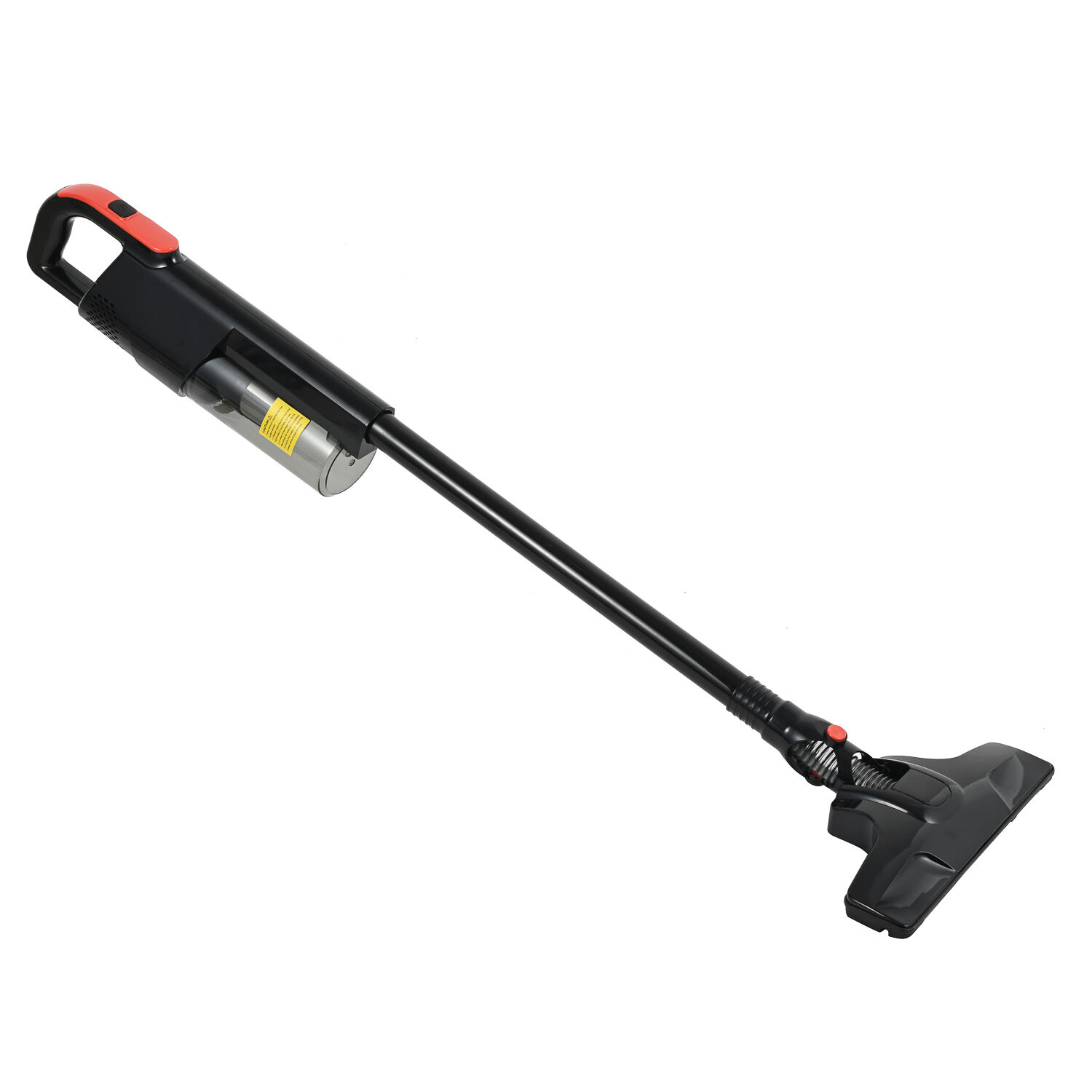
When doing commercial contracts where work lasts hours at a time, professionals need a vacuum that holds 12-25 liter so that they do not have to stop and empty them constantly. The issue is, drywall dust mixes with sawdust and construction debris and clogs small tanks really quickly. Most good quality 15 liter models can do about 50-70 minutes of straight cleaning, and then they need a break. This is very important for people doing flooring, maintenance staff during a construction project, and anyone dealing with the mess after renovations. When dealing with larger jobs in a factory or major restoration projects, a 20 or 25 liters is a necessity because of the large amount of debris. Look for models with sealed HEPA filters to keep everything contained, and those with a lower center of gravity to provide stability while moving. When fully loaded, big wheels are important, especially in the case of having to push the container over rough ground or for long distances. However, do not go overboard with large containers in small, tight spaces like an office or retail stores.
A compact 12-15 liter model that keeps airflow strong actually works better than those huge bulky ones in tight spots.
FAQ
What is the difference between rated and usable capacity?
The rated capacity is the total amount the tank can hold when empty, while usable capacity considers filtration and debris density, which reduce effective volume by about 20 to 30 percent.
Why does suction power drop as the tank fills?
The suction power is reduced when the tank is filled because the packed dirt obstructs airflow across the filter, which narrows the inner channels and decreases efficiency.
How do I choose the right vacuum tank size for my needs?
Home users should choose tanks between 4 to 9 liters for basic cleaning, while contractors will need 12 to 25 liters for prolonged, heavy-duty work.
What are the drawbacks of larger vacuum tanks?
Larger vacuum tanks make the vacuum heavier and less stable, reduce mobility, and are often equipped with shorter hoses, which require the user to reposition the vacuum frequently during cleaning.
Table of Contents
- Liters vs US Gallons: Standard Measurements and how Accurate the Conversion is.
- Rated vs Usable Capacity: Filtration, Debris Density and Airflow Impact on Effective Volume
- How Tank Size Affects Functionality and Performance in Real-Life Applications
- Home Users: 4-9 Litres for Carpet, Hard Floors, and Pet Hair
- FAQ