
 EN
EN



Motors, Filters, and Housings Testing for UL 2011 and ISO 9001 Compliance
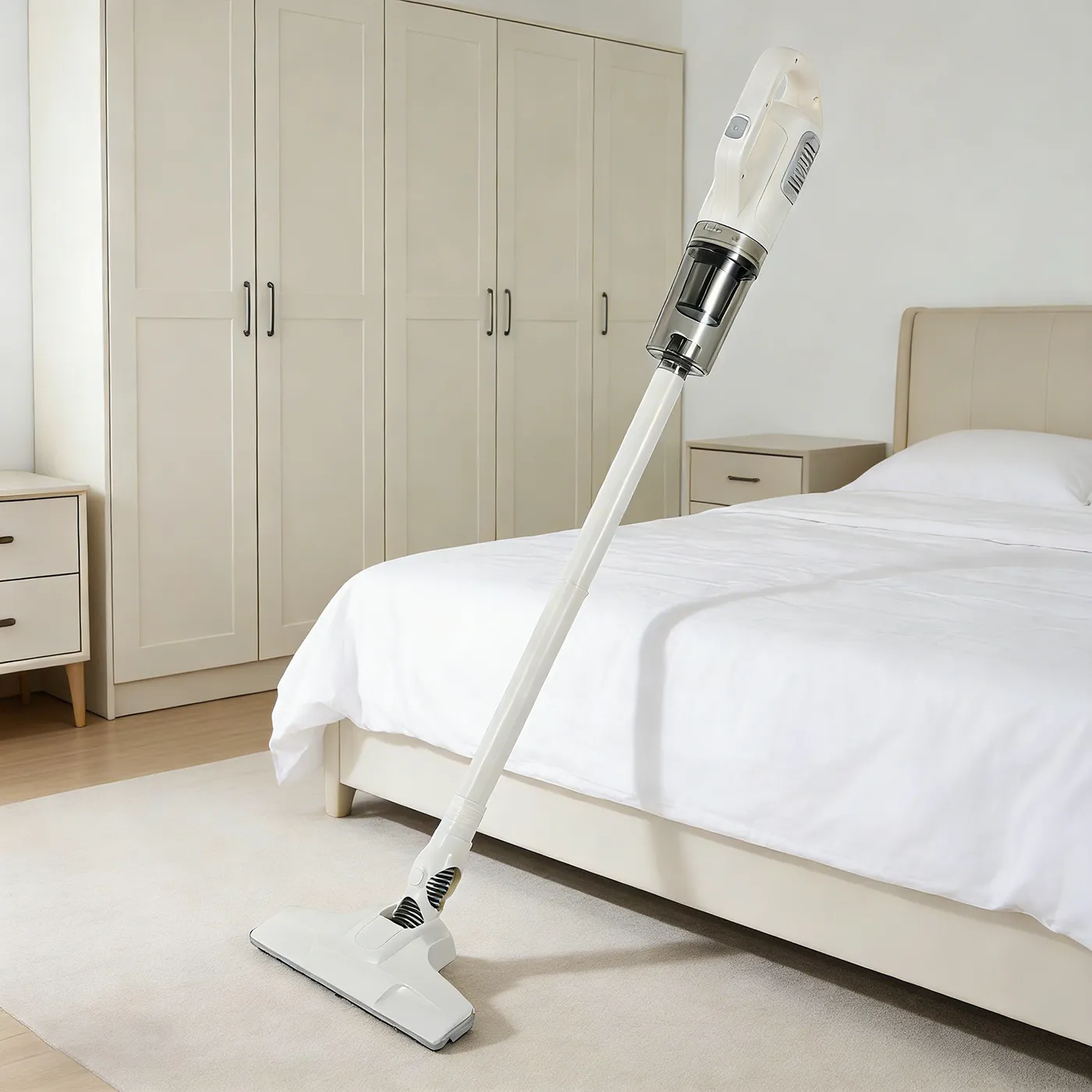
Incoming Quality Control (IQC) stands as the first barrier against defective components that can be used in the vacuum cleaner manufacturing process. Testing for compliance with UL 2011 Safety Requirements is conducted for motor units by subjecting them to 1800-volt tests. Filters are to be described as ‘within 99.97% of all particles. Finally, for housing components, compliance to CAD design specifications should be within mil 0.15. ISO 9001 guidelines dictate that for every batch, the aforementioned documentation for material certificates, test results, RoHS compliance documents, and other related documents to be properly catalogued. The results for rigorous IQC practices pay off. Good quality control practices show reduced assembly line fixes, which is 18% in one of our studies from last year.
Dual-Check Protocol: Supplier Documents + On-Site Dimensional & Electrical Testing
The best manufacturing companies combine paper work checks with hands-on checks to verify components. When suppliers provide their analyses and compliance documents, these are checked against historical issues with risk-based targeting software. Meanwhile, onsite facility technicians conduct specific checks. These include laser scans of motor brushes, air flow checks of HEPA filters, and electric tests of plastic housings to verify conduction to ground. This methodology, on average, identifies >35% more issues than paper reviews or hands-on checks. It catches issues that are typically sampled, such as insufficient screw tightening or gaps in insulation. Today, the majority of factories perform complete checks for all motors, air filters, and housings because components are critical for the overall safety and operational effectiveness of the equipment.
In-Process Quality Control (IPQC) For Vacuum Cleaner Production
Real-Time Control of Suction Power, Noise, and Seal Integrity
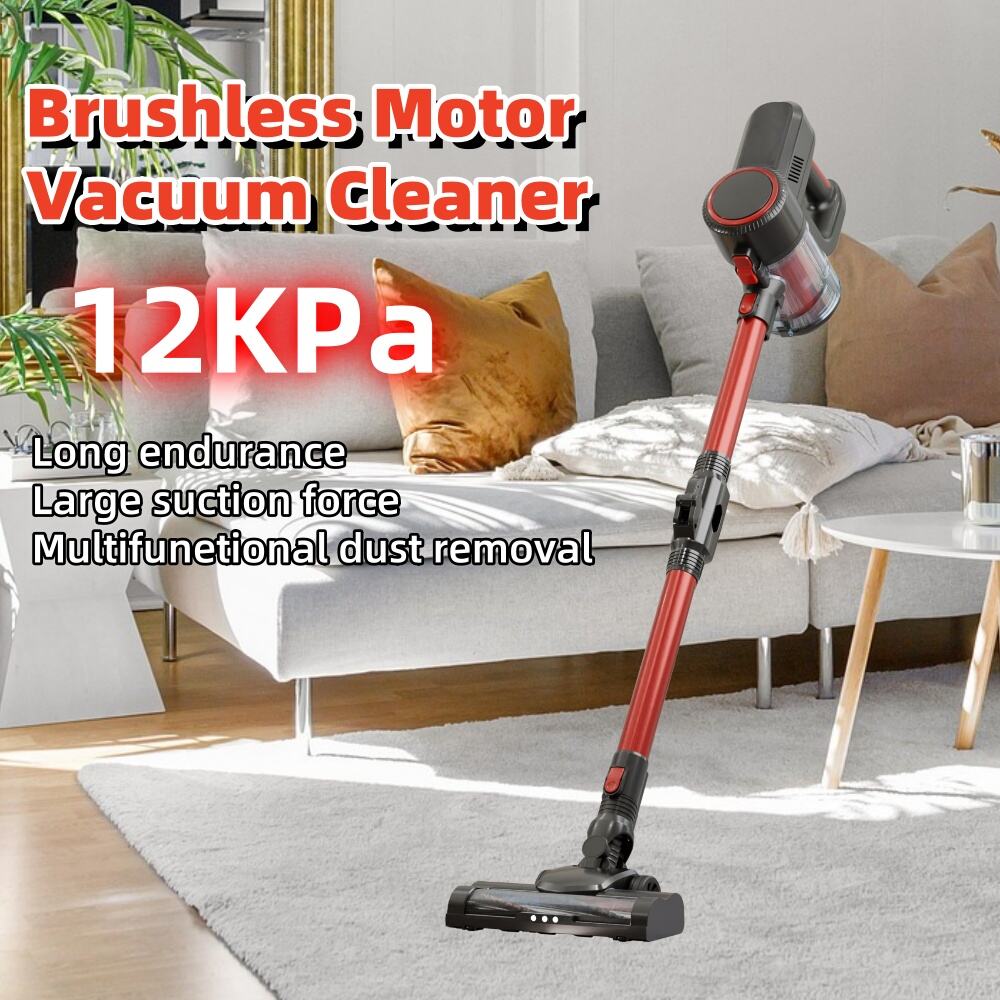
The production process incorporates a real-time control network built around the three aforementioned production sealing, suction and noise parameters, which includes a measurement of suction in air-watts and noise levels over 75 decibels. Pressure sealing integrity is tested and monitored throughout production by means of control networks. When a production workstation deviates from the norm, such as insufficient suction due to misaligned hose connections in accordance with ISO standards, the real-time network is designed to immediately remediate that problem. The real-time network inhibits and diminishes the propagation of process issues throughout assembly production. Industry benchmarks report factories with this methodology demonstrating 38% improvements in decreased post-assembly product repair defects over legacy systems with post production defect assessments.
Statistical Process Control (SPC) for Gasket Alignment, Motor Torque and PCB Calibration
SPC, or Statistical Process Control, is a way to get more precise on the assembly steps where there is too much variation. In the case of gasket stations, laser micrometers are always monitoring where the parts are and let them sit as close as 0.2 mm to center. This is important because small shifts can cause problems with leaks in suction systems. Each hour, the torque of the brushless DC motors is tested and analyzed as to how much rotational force is produced in compliance with the UL 2011 safety standard. On the side of electronics, there is a calibration equipment for the PCB that automatically runs checks on the voltage patterns, and anything that is more than 3% positive or 3% negative is flagged as a problem. Plants that use SPC on all of these stations have around a 99.4% success rate on first pass inspections. This is what the numbers are saying about the state of manufacturing quality control - companies that are managing variation control problems proactively and are controlling the speed at which they can control the variation, are holding onto the standard.
Outgoing Quality Control (OQC) and Pre-Shipment Validation for Vacuum Cleaners
Five-Dimensional Final Inspection: Packaging, Appearance, Functionality, Structure, and Internal Safety
The final inspection process ensures that all components are functioning and the final product is ready for the consumer. In the case of packaging, we drop test the cartons (minimum of five heights) and subject the cartons to high humidity tests to simulate transport conditions. We use specialty test lighting to identify any abrasions, color variance, and any panel misalignment. Functionality (suction and electrical switch tests) is verified per ANSI compliance and UL 1017 standards. We perform motor vibration tests to verify that there is no rattling of components, and all motors are mounted. Safety inspections identify insulation defects and confirm that grounding is functioning as intended. Most electronics manufacturers are required to follow UL 1017 standards. We are proud to report that this inspection approach has yielded a 50% improvement for our 2024 factory data, which evaluated defects found after shipping. We typically gauge overall product issues one inspection approach at a time, compared to when we evaluated all aspects of the product.
Why compare fully automated endurance testing with AQL sampling from the past?
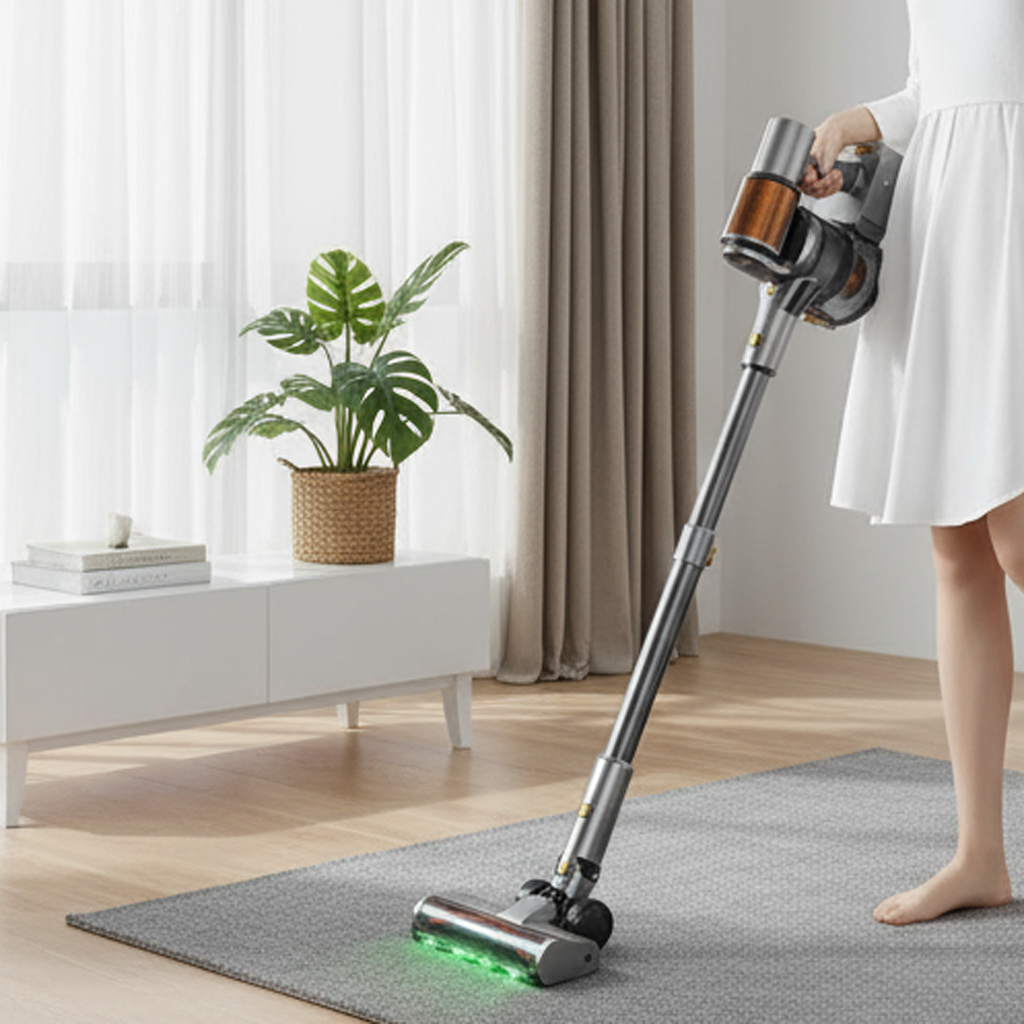
The most successful vacuum companies have implemented robotic endurance testing for each individual vacuum for 72 hours straight. This is the equivalent of 5 years of vacuuming in the average home. These complex robotic systems monitor 18 different variables in real-time including current consumption, thermal builds, and operational noises that are imperceptible (even to professional evaluators). A pplicable AQL (or Acceptable Quality Level based on ISO 2859) evaluations are no longer adequate. In testing only 2 to 10 percent of production lots (which is statistical sampling), approximately 33 percent of post- motor failures are neglected. Due to the limited, specialized nature of small production runs, AQL methods may still yield valuable average results, however, with large-scale production, i.e. high reliability and longevity, nothing will surpass full automation with endurance testing.
FAQs
What is the purpose of Incoming Quality Control (IQC)?
IQC prevents defective parts from entering production by testing components against specifications to ensure compliance.
What do the components of vacuum cleaners have to meet tests against?
The components are assessed against UL 2011 and ISO 9001 for quality and safety.
What purpose does a dual-check protocol serve in manufacturing?
The dual-check protocol addresses and mitigates risk more thoroughly with the combination of supplier documentation and on-site testing than would reviews employing just one approach.
What is the definition of Statistical Process Control (SPC) and its significance?
SPC is one of the ways that statistical techniques are used to monitor and control a process. This is critical to manufacturing as it enables improvement of the process and the consistent production of products that meet specifications with minimum wastage.
What advantages do robotic endurance tests have over traditional AQL sampling?
Robotic endurance tests are not likely to suffer the same fate as AQL sampling and are therefore not likely to miss the same defects that occur during normal endurance use.
Table of Contents
- Motors, Filters, and Housings Testing for UL 2011 and ISO 9001 Compliance
- Dual-Check Protocol: Supplier Documents + On-Site Dimensional & Electrical Testing
- Statistical Process Control (SPC) for Gasket Alignment, Motor Torque and PCB Calibration
- Why compare fully automated endurance testing with AQL sampling from the past?
- FAQs