
 EN
EN



Why Are Corded Vacuums Standardized At 30 Feet?
30 foot long cords seem to be the sweet spot for corded vacuum cleaners. The average length of a corded vacuum cleaner meets the needs of a majority of industry standards. No more plugging and re plugging vacuum cleaners every few minutes to clean an entire room of around 400 to 500 square feet. Cleaning time also improves when compared to a 15 - 20 feet long vacuum cord. The average consumer is estimated to have 60% - 70% time savings. The strain of repeatedly bending down to plug the vacuum in is lessened.
When vacuum cords reach 35 feet or more, the cord's greater reach can negatively impact the vacuum's usability. Increased lengths mean more tangling, and the increasing weight of the cord can vacuuming more difficult, especially with larger canister vacuums. Dragging the cord across the floor adds to the effort of moving the vacuum. Most reputable brands have found that providing 30 feet of cord optimizes vacuuming by saving operator effort and providing adequate reach. 30 feet is ideal for moving between rooms as well as easily reaching across hallways, up and down stairs, and without the nuisance of extension cords.
The 30 foot standard is reasonable from an engineering perspective. When cables exceed this length, voltage drop issues arise, and manufacturers must use heavier and more expensive wires, increasing production costs. Additionally, the storage solutions are important. Automatic rewind storage mechanisms become more cumbersome and more prone to failure beyond this length during field testing. Most engineers agree that 30 feet is the length that balances user requirements and practical use without compromising safety and comfort.
How the Length of the Cord Impacts the Efficiency of Cleaning and the Fatigue Experienced by Users
The number of times the vacuum must be unplugged and relocated is clearly lowered the longer the cord. However, this less frequent plug and relocate phenomenon also has limits. In one study, the movement of people in a 1500-square-foot home was tracked, the movement required to plug and unplug a vacuum was reduced by 70% when a cord was increased from the typical 15 feet to 30 feet. While this phenomenon is still under-studied, the results in this study suggest the people of the home may save 8-12 minutes of vacuuming time each session, and may also reduced the number of times their back is strained by 40%. These benefits are most pronounced on canister vacuums. The struggles of moving a vacuum through a furniture layout in a room are removed by the ability to move through multiple rooms with less plugging in and unplugging.
Real World Uses: Tangle, Pull, and Strain
More than 30 feet, drawbacks increase rapidly:
On carpeted surfaces, drag resistance adds 15–25% to the force needed to pull a load.
Tangling around chair legs or banisters results in 3 times the number of work interruptions.
Excess cord management causes shoulder torque and is correlated with a 22% higher fatigue score in ergonomic assessments
Coils of 30 feet or less behave predictably and manageably, while 40+ feet increases the rate of strain penalty with little additional useful coverage.
Home Layout Demands: Matching Cord Length to Floor Plan and Stair Access
It’s the layout of the house and not the marketing claims of the company that will determine the ideal cord length. In large open spaces that integrate many different areas, a 25 to 30 foot cable is a good option as it optimizes the number of times plugs need to be moved around. In smaller rooms, however, connected by narrow corridors, shorter cables may be better since long ones become a tangle. Around steps, safety is a critical factor. Consumer Safety Review reported last year that cords caught on steps created a 17% increased risk of falls. Homes with multiple levels are more complex. They may be better with shorter cords at each level or with centralized power points at the landings where people rest during the ascent/descent.
Single-Floor Homes vs. Multi-Level Homes: Cord Management Realities
Single-floor layouts allow a 30-foot cord to serve around 1,000 sq ft per outlet. Fewer interruptions means faster and more efficient cleaning.
Multi-level homes pose challenges: taking long-cord vacuums upstairs can damage plugs and injure your upper body. An ideal solution would be 20 foot cords with outlets installed at midpoints of stairways.
Open floor plans eliminate barriers, but walls and furniture can be obstacles that according to motion studies obstruct your cords by 40% illustrating that in these cases, flexibility is more important than length.
Built in cord retraction canisters save storage space, but come at the cost of added bulk. Opt instead for those with swivel bases, allowing for streamlined, unstrained navigation around corners.
Integration of Cords, Weight Distribution and Movability of Canister Vacuums
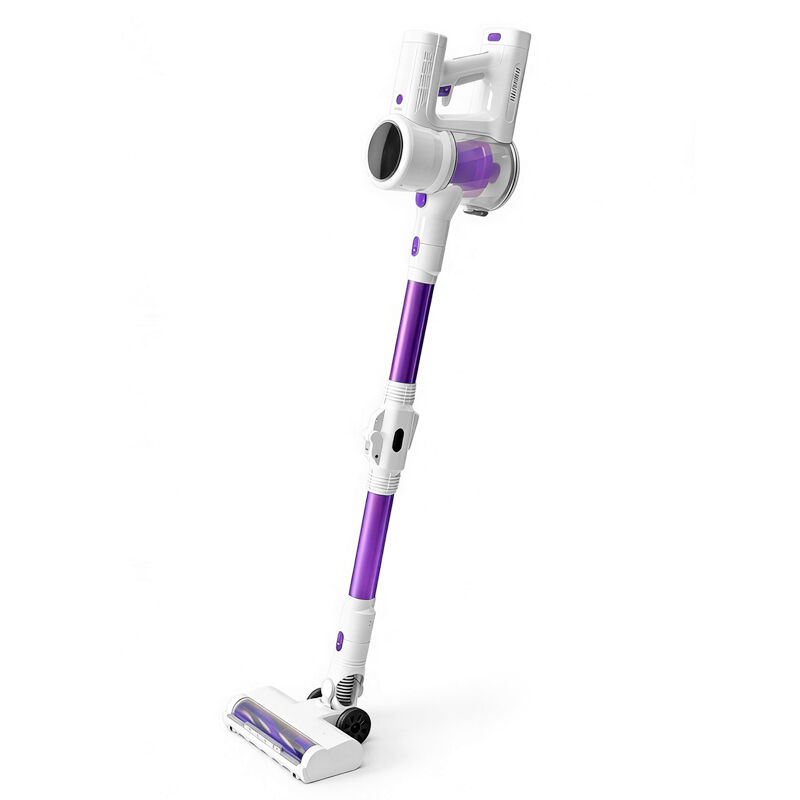
The telescopic handles allow for diverse adjustments based on the needs of the user and allow for a higher level of cleansability in smaller areas, which continue to prove the value of a vacuum with a smaller base. Instrumental to the operation of a vacuum is the cord placement, as easy traversal and effective use of the vacuum depend on it. Longer cords allow a higher level of traversal as no sections of the house will require an unplugging, however, as the length increases, obstructions and the chance of rope burn to an operator increases as well. Each cord storage system is balanced against a set of potentially competing factors. This impacts the operation of the mechanism to increase the ease of use for the operator, and the level of traversal beyond what the operator intended which can lead to a longer burn. 30ft of cord in a vacuum lends itself to decreasing the ease of navigation and cleaning, leading to cleaner spaces.
This cord, just like every other, becomes a tangled mess. This takes forever to untangle. This completely defeats what makes these models so appealing in the first place. Their ability to move freely around furniture and other obstacles.
FAQ
Why is 30 feet the industry standard for cord lengths?
30 feet is said to be the 'best of both worlds' in terms of weight, tangle resistance, and of course plug changes.
What are the advantages of having a vacuum cord longer than 30 feet?
Longer cords allow for less outlet switching while in turn reducing the physical effort and time needed to clean.
Are there any negatives to having longer cords?
Longer than 30 feet, cords become heavier and are more likely to become a tangle, this causes more fatigue and interruptions to the job.
How do I decide on the cord length I need based on my home layout?
Longer cords are great for more open floor plans, while shorter cords are better for smaller houses and multi-level homes. This is to avoid tripping.