
 EN
EN



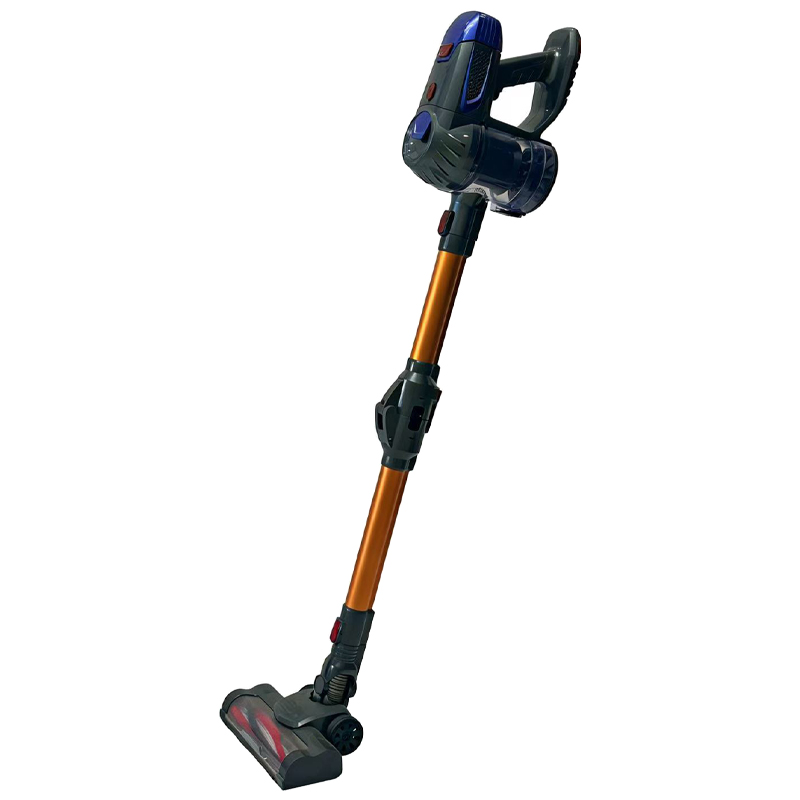
From Direct Sourcing of Vacuum Cleaner Factories.
Direct sourcing eliminates distributor margins and reduces markup and compression.
By avoiding middlemen and distributors, companies are trading service for cost on a number of different markups. For example, commercial vacuum cleaners are often priced well above suggested retail price due to middlemen markups and service charges, often between 15 and 30 percent of a commercial vacuum’s base price. When sourcing from a manufacturer’s direct factory, a company does not pay for distributor, warehouse handling, and multiple markup retail charges. So what happens? The supply chain gets shorter. Direct sourcing eliminates a number of markups, allowing for cash to be spent on repairing and updating equipment, rather than on overhead costs. Some manufacturer direct customers, considering the last 5 years of buying patterns, have successfully marketed a 22% cost savings to their customers over the distributors. This is a clear example of the value of direct factory sourcing vacuum cleaners and considering the true cost to serve versus the direct factory cost.
Bulk Pricing Flexibility and Customization-Driven ROI
Avoiding the middleman leads to more pricing options for working directly with the factories. Most manufacturers see a discount of 18 to 25 percent of their total costs for orders of more than 50 units at a time. That's not even the biggest benefit of direct factory contact. Companies that collaborate with factory engineers can have equipment tailored to their specifications. For instance, they can include heavy-duty HEPA filters or modify tanks to streamline work processes. Such adjustments can enhance operational efficiency. A case in point is a Midwestern auto manufacturing facility. They custom-built nozzles for their assembly lines and decreased the time spent for cleaning by 34 percent. According to their records, the investment was recovered in under 8 months due to the savings in labor costs.
Improved Product Dependability due to Vertical Manufacturing Control at the Vacuum Cleaner Manufacturing Site
In-house Quality Assurance and Industrial Quality Raw Material Procurement
Quality Assurance at each step in the production process is greatly enhanced when a manufacturer adopts a vertically integrated approach to their operations. Rather than relying on third-party contractors to assess a supplier's credentials, manufacturers can use their own systems, including high-definition assembly line optical inspection systems. Earlier problem identification is common among manufacturers who vertically integrate and procure industrial-grade plastics and HEPA filters. Such manufacturers are also more likely to use machine vision inspection systems to identify micro-level imperfections in the components of electric motor casings and seals. Comprehensive containment and control systems that comply with the applicable industrial standards generally result in an operational life of not less than eight hours per day, seven days per week in factories and warehouses, and more when the equipment is properly maintained.
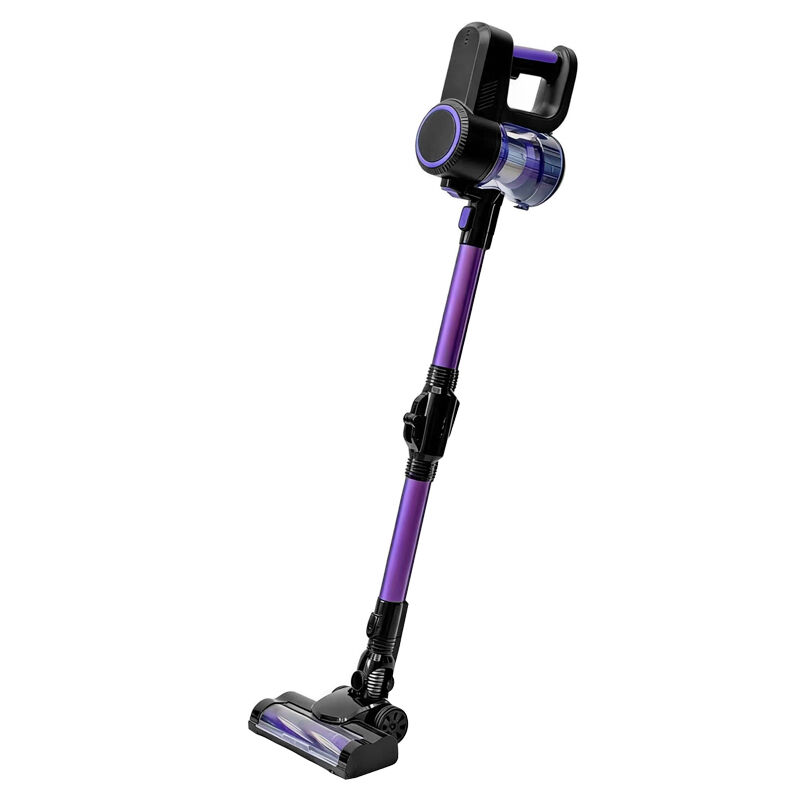
Lifecycle Benchmarking Against ISO 55000 Standards
Leading manufacturing companies have successfully implemented ISO 55000 standards pertaining to asset management and have documented to what degree extent failures occur after so many thousands of operational hours. Leading manufacturers collect and create individual operational profiles for each piece of equipment and use them to determine the remaining operational life of the equipment. They perform tests that are intended to accelerate “wear-out” failures of the equipment, such as exposing the equipment to extreme temperature cycling from -10 degrees to +60 degrees and “rocking” the equipment at 15 Gs. These tests allow the engineers to improve the design so that the life of the product is designed to meet/last for 6 or 7 years before a replacement is required. This benchmarking process is 40% better than the breakdowns/downtime experienced for an outsourced manufacturing process. Facility managers can/could obtain reliability-centred maintenance reports for their audits and use them to meet the maintenance reliability standards.
Key Vertical Control Quality Benefits
Control Point Outsourced Model Risk Benefit from Vertical Integration
Material Traceability Supplier substitutions (23%)* Batch-specific sourcing records
Tolerance Compliance ±0.5mm variance in critical parts Laser-validated ±0.05mm precision
Failure Rate 12% returns (industry avg.) <3% field returns
*Ponemon Institute 2023: Manufacturing Supply Chain Transparency Report
Integrated Vacuum Cleaner Factory Enhanced After-Sales Service
Rapid Response SP SLA + Dedicated SP Inventory
Integrated factories are able to maintain a spare parts stock in their facility. Therefore, they can provide shipping of their component parts within the same day for 90-95% of requests. This way, it is possible to eliminate the typical frustration of waiting for 3 to 5 days to receive the parts in order to carry out the purchase. The facility can also provide Service Level Agreements to provide the fix to the equipment within 48 hours. This is possible because they employ their own technicians, and do not rely on outsourced third party contractors. Factories that operate 24/7 (because the cost of unplanned downtime is > $740,000 per hour according to Ponemon Institute’s data from last year) report a 40% reduction in the number of unplanned operational interruptions. Additionally, direct purchasing from manufacturers avoids the need for additional costly equipment modifications that are typically required when purchasing parts from distributors. This is a result of direct buying from manufacturers the entire equipment profile is respected, and therefore, the manufacturing process flows optimally.
Resilience of the Supply Chain and Trust in the Brand through the Partnership of the Vacuum Cleaner Factory
Building a partnership directly with vacuum cleaners manufacturers allows the construction of supply chains that can take supply chain disruptions head on. By eliminating middlemen, companies get better access to the daily production and flow of materials, so they can proactively make changes to production and supply in response to new demand or supply shortages. Having all products manufactured in the same factory guarantees that all products will be unified in quality, and there will be no situation in which some units are great while others are sub-par. Having transparent and unified production processes of provided goods increases the brand trust of the end clients as they see repeating positive results and long-term value in what they bought.
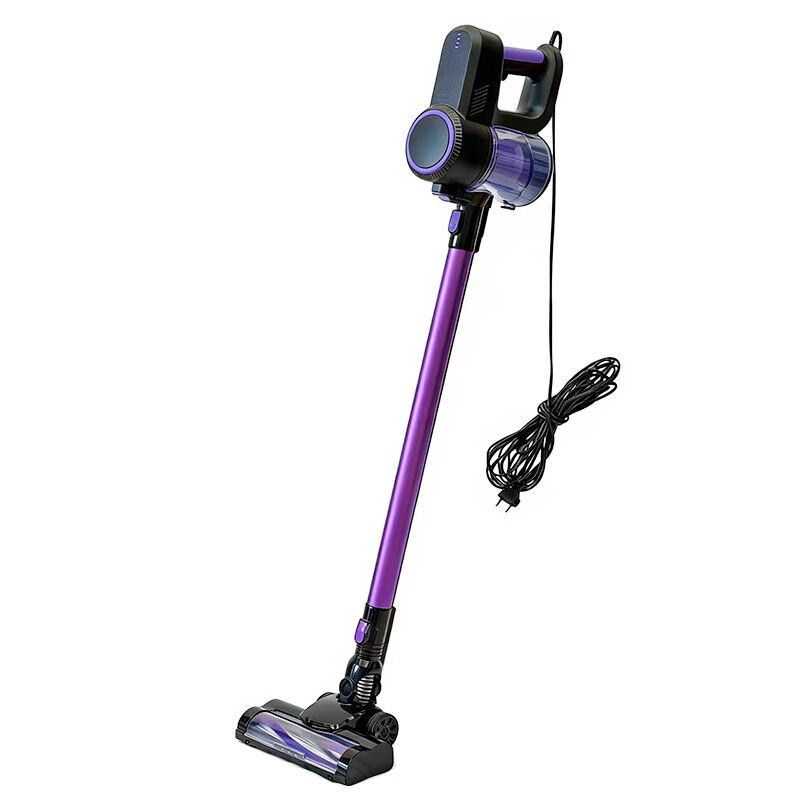
Compared to multi-layer distribution systems, partnerships can reduce supply chain challenges by 40%. When factories integrate with key customers, they support their factories with segregated stock systems of raw materials, and with on-demand production lines. This is what makes factories resilient to political, geographical, and supply chain instability. Over the years, stronger bonds are formed by the customers and provided by the factories, because the outcomes are jointly owned. They meet and plan in what can extend the plain supplier-customer relationships to true partnerships, where resilient value is created on both sides.
FAQ
What are the benefits of direct sourcing from vacuum cleaner manufacturers?
Direct sourcing removes the costs associated with the middle men, allows costs of the products to drop 15-30% and provides greater opportunity to reinvest savings.
What are the benefits of vertical manufacturing?
Due to vertical manufacturing, quality oversight is possible at each stage of production. This means there are less defects and the quality of the products increases.
What are the benefits of direct bulk purchasing from manufacturers?
Purchasing in bulk is cost savings in the range of 18-25% with the added benefit of customization for operational needs.
What is the synergy between factory integration and after sales service?
With integrated factories, spare parts are delivered faster and there is greater servie responsiveness. This is a reduction in operational downtime of about 40%.
Do factory partnerships increase the resilience of the supply chain?
Yes, the direct and factory partnerships decrease supply chain problems by up to 40% compared to the traditional methods. This is due to the improved clarity, consistency and resilience of the supply chain.