
 EN
EN



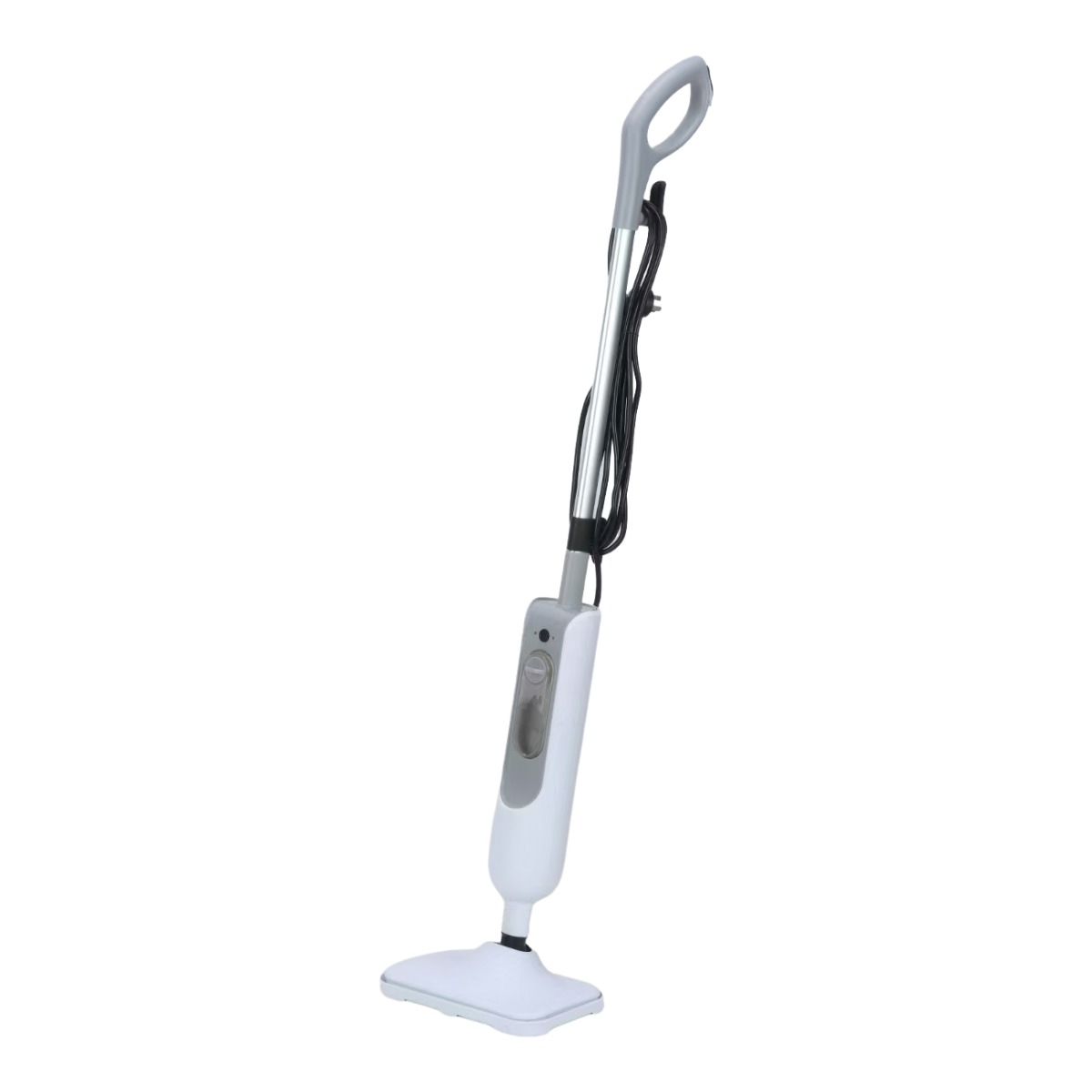
Water Tank Capacity for Common Steam Mops
Consumer Steam Mops: Between 300 and 600mL
Most consumer steam mops have portable water tanks from 300 to 600 mL and practical run times. This enables continuous water for 5 – 15 minutes for mopping. This is generally enough steam for mopping smaller rooms that are under 30 m². Most industry classified the optimum portable mop water tanks at just under 350 mL as this allows steam mops to remain portable at under 2.3 kg while supporting steam pressure for 80% of the water tank. Steam mops that are over 500 mL have to be adjusted with dual chambers to balance water sloshing to pressure drops at the expense of having additional weight at the base of 15%.
High Capacity Steam Mops: Up to 1,000 mL
Special purpose steam mops have water tanks with 1000 mL water, while most consumer steam mops have about half that. These are Industrial mop machines which made for larger scale mopping operations which are capable of continuous steam for 20 – 30 minutes and covering mopping areas over 50 m². Most commercial mop machines have pressurized tank systems to provide sustained steam above 30% with water in the tank, while the temperature is insulated to remain at +/- 3°, though this functionality makes the machine 3.5 – 4.2 kg heavier. These commercial mop machines are often dual purpose, like portable handheld or cart based, to help with the loss of ease in steam mop operations.
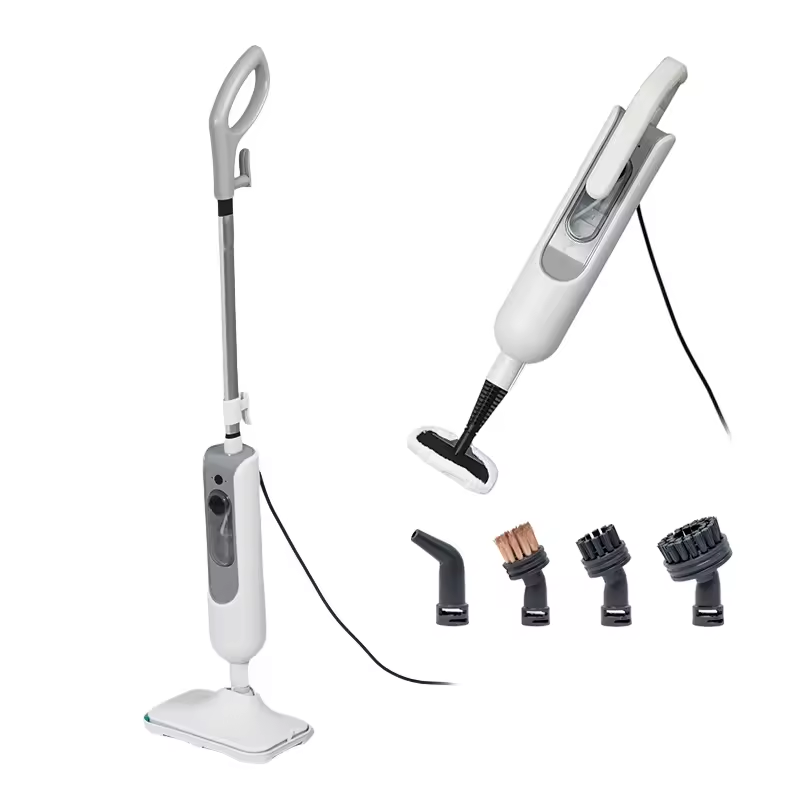
How Steam Mop Water Capacity Impacts Efficiency
Runtime and Refill Frequency: 5-12 Minutes of Continuous Steam
Water tank size dictates how efficiently a steam mop works. Vapor mops can work from 5 to 12 minutes continuously before needing a tank refill. For cleaning 150 to 300 square feet of space, this allows for compact steam mops to carry 300 ml of water. This design requires tank refills as frequently as every 5 to 7 minutes, which poses problems for large quantity cleaning. For large area plans greater than 500 square feet, these compact steam mops cause cleaning times to increase by 15 to 20 minutes. Mops with a tank size of 600 ml, allow for continuous steam for 10 or more minutes before needing a refill. However, every 100 ml increase, these steam mops due weigh an additional 0.5 lbs. Thus, a tradeoff occurs between tank size and mops weight. It is recommended to get a compact, lighter unit with a smaller water tank for smaller areas and more expansive steam mops for larger areas, respectively.
Keeping Steam Pressure Consistent
Optimum steam pressure can be maintained with a properly functioning and full water tank. For most consumer models, full water tanks allow for consistent delivery of steam with pressure around 25 to 35 psi. Contrarily, from 30% tank volume and below, steam pressure can be variable. For these models, studies estimate a 15 to 22% drop in performance. These variations result in an inconsistent steaming, particularly in areas where a solid contact is needed. For simplicity steam mops, these models have notable variations in steam. To achieve uniform successive steaming, refills should occur as tank volume is at 25% to allow for consistent steam pressure.
Picking the Perfect Steam Mop Water Capacity
Tank Size and Area Coverage
Taking into account the water tank size and your space is important when selecting your mop. For small apartments (less than 500 sq ft, 46 m²) running 10-15 minutes before you need to refill should be good for 300-400 mL. For larger areas (over 1,000 sq ft, row 93 m²) 600+ mL would be beneficial for continuous cleaning (sanitizing) of the whole floor. Delivering flow is important, and open floor plans should aid to continuous steaming, while closed areas should be segmented.
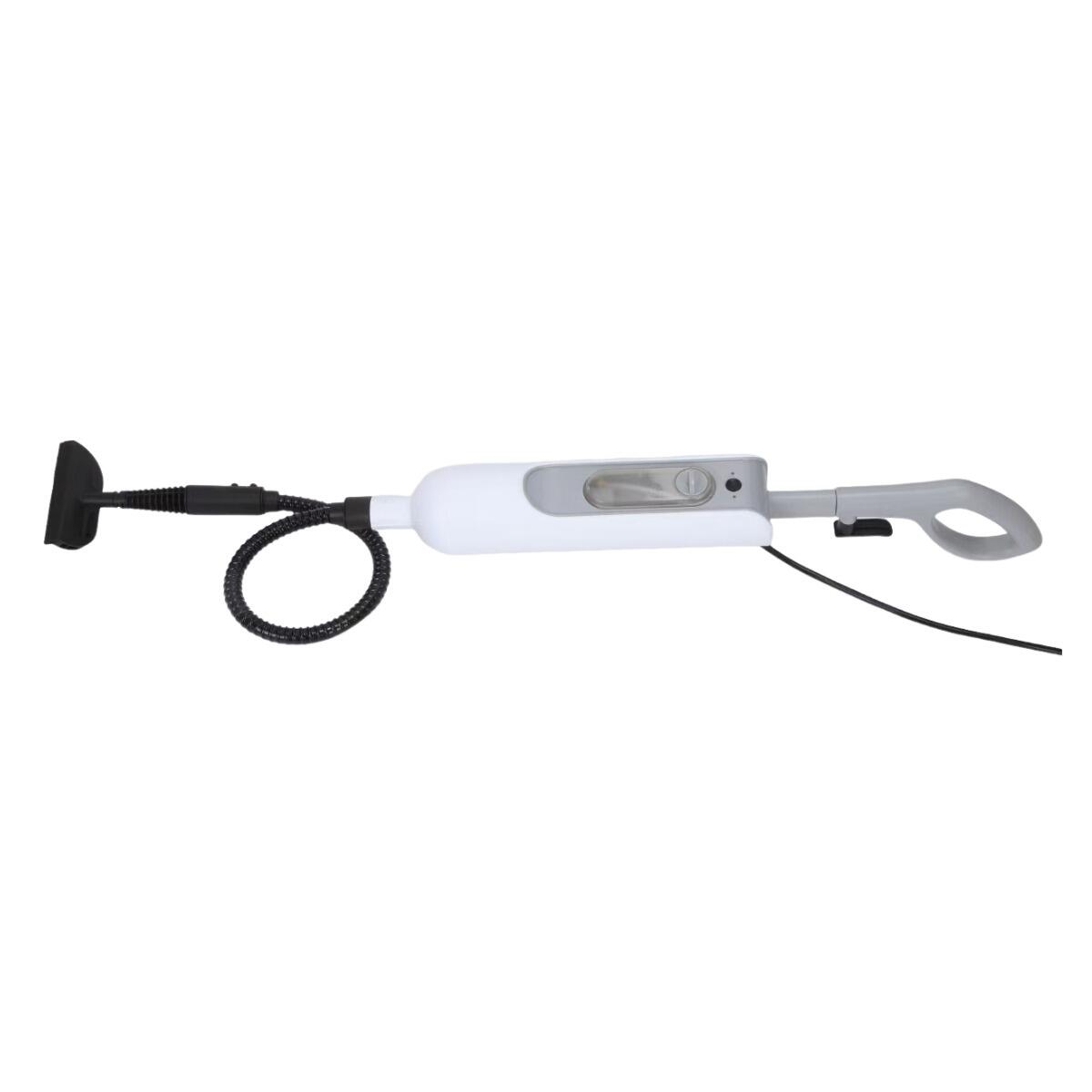
Balancing Portability, Weight, and Work
For old water tanks ranging of 100 mL water containers, you gain some endurance and then some lighter units. For sure the 300 mL valves for ascending and rapid cleaning of soiled spots are primed for rapid cleaning of whole floor areas, and very large units 800 mL for rapid steaming, but very large units 30 minutes and prime for rapid steaming for very large units. For sure the 300 mL valves for rapid steaming, but strain for very large units. For sure the 300 mL valves for rapid steaming, but for sure the 300 mL valves for rapid steaming, but for sure the 300. Keep in mind the highest efficiency.
QUESTIONS (FAQ)
Does a Water Tank of 300-600 mL work for most residential steam mops?
Yes, the is a very good range for homes under 300-600 mL (30 m²).
What is the maximum water capacity of commercial steam mops?
Models of commercial or multi-purpose steam mops can have a water tank capacity of 1,000 mL which is suitable for large cleaning assignments.
What is the effect of tank capacity on steam mop functionality?
There is a relationship between tank capacity and the duration of steam and consistency of steam. Smaller tanks must be refilled more often and can suffer steam pressure decreases compared to larger tanks, which can take longer and provide more consistent steam.
How do I determine which size steam mop tank water capacity to select?
You should base various tank size options, on the size of your house or the frequency of your cleaning. Smaller tanks work well with smaller houses and areas under 500 sq ft, and larger tanks can serve larger houses that have a span over 1,000 sq ft better.