
 EN
EN



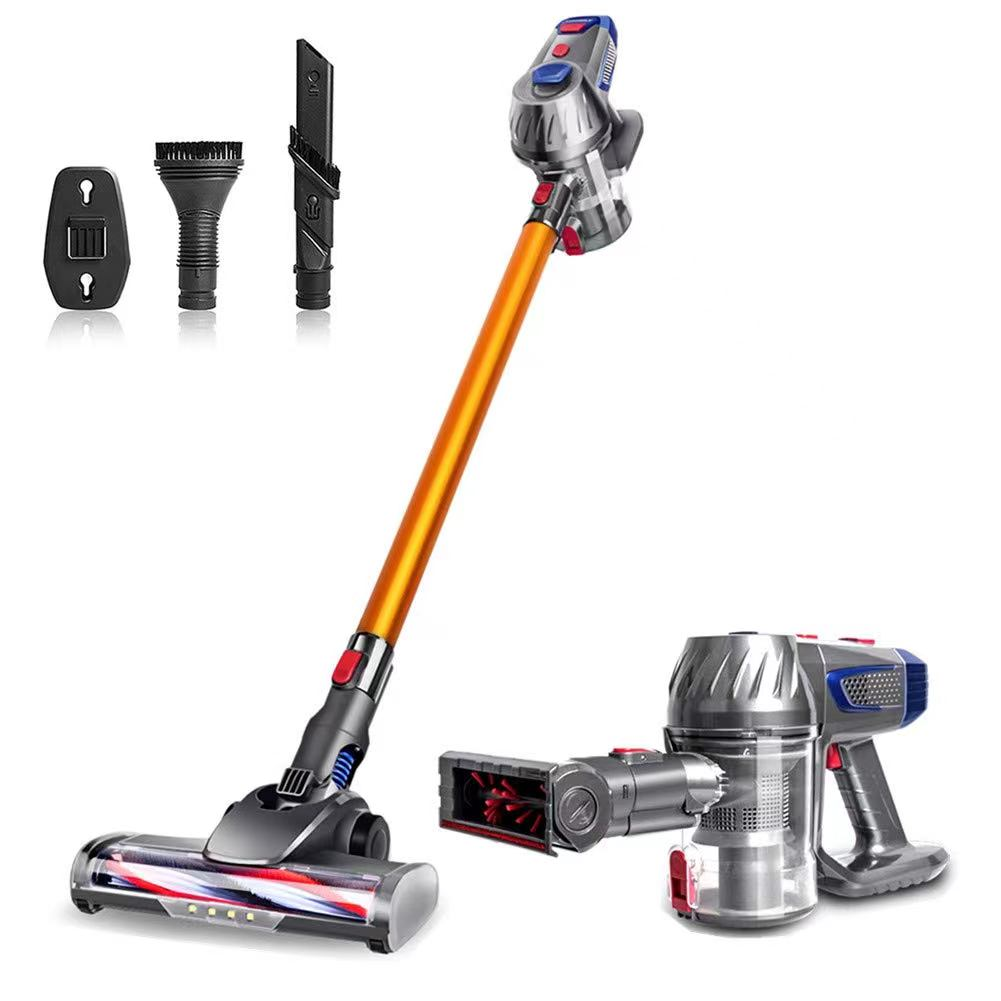
Why Air Watts, Not Peak HP, Determine Car Vacuum Cleaners Real EffectivenessUtilization of peak HP (or peak horsepower) has generally been considered to be a misleading technique to market vacuum cleaners, due to their advertising power being measured in ideal, laboratory-tested conditions that do not use vacuum attachments. Furthermore, vacuum attachments can be extremely powerful in the moment, but do not provide long-term power. Peak HP accounts for neither hose attachments that decrease the utility of the vacuum, filter system blocks, or the typical confined space of a car, so it does not apply to a vacuum advertised for automotive use. Air Watts, or AW, combines volume of self-created airflow represented in quantified units and force of vacuumed air. This way, the AW of the vacuum represents the effectiveness of the vacuum in terms of the cleaning of the materials (debris) in the car. This can be extremely important for cleaning stubborn materials (debris), such as pet hair, that can entrench themselves deep into the fabrics (upholstery) or even for cleaning materials (debris) such as wet sand that can become embedded into the floor (carpet) mats of a car. More high-airflow units can be found on the automotive vacuum.
What Vacuum Suction Best Suits Your Need?
60–100 AW: Best Car Vacuum Suction for Routine Cleaning of Sedans and SUVs
When tackling the most common cleaning tasks of cars, which include cleaning ash, dust, crumbs, or the occasional spill, car vacuums in the 60–100 Air Watt range are preferable to vacuums in higher suction ranges for cleaning standard vehicles. Due to their lightweight and compact designs, vacuums in this range are easier to clean under and between obstructions. Most sedans and SUVs don’t need more than 90 AW to be adequately clean, and higher suction merely detracts from maneuverability and battery efficiency while utilizing the vacuum for a typical cleaning session of 15–20 minutes. Choose a vacuum with an ergonomic hose and a quick-release filter for uninterrupted airflow.
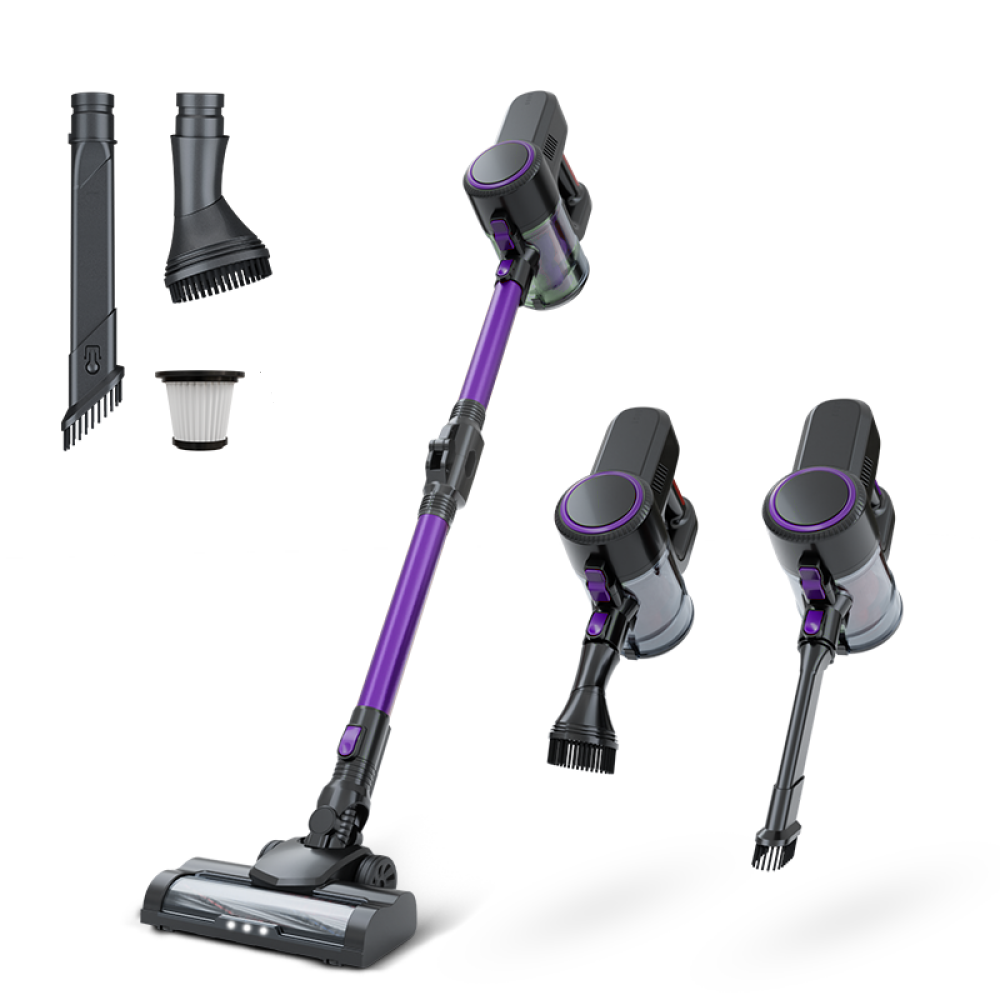
100–140 AW: If Pets, Beach Trips, or Spills Require Enhanced Suction Power
To remove dirt that is more challenging than common household dust, you need car vacuums that have between 100–140 AW. This range is preferred for cleaning challenging dirt, including animal fur, beach sand, spills, and dander. This added suction power is useful for removing stubborn dirt. One study found that vacuums with 120 AW or higher reduce cleaning time by 40% for households with pets. Key applications include:
Removal of sand that is stuck in the corners and edges of the car
Control of recycled dander
Upholstery spill recovery without wetting
High suction units should be combined with sealed HEPA filters to contain hazards, especially when used in vacuum cleaning.
Real Effectiveness vs Design/Engineering Choices in Car/Portable Fake Vacuum Cleaners
Air Watts may seem like the "tell all" aspects in a vacuum's effectiveness in 'sucking' things in a real world setting, however 'succeeding' in real world applications depends on the energy delivery and sustainment.
Of the three interdependent factors, the falsely thought 'aw factor' is better vacuuming, and gives better results, than an 'engineered 90 AW model’ vacuuming, due to factors like airflow loss, turbulence, and voltage sag.
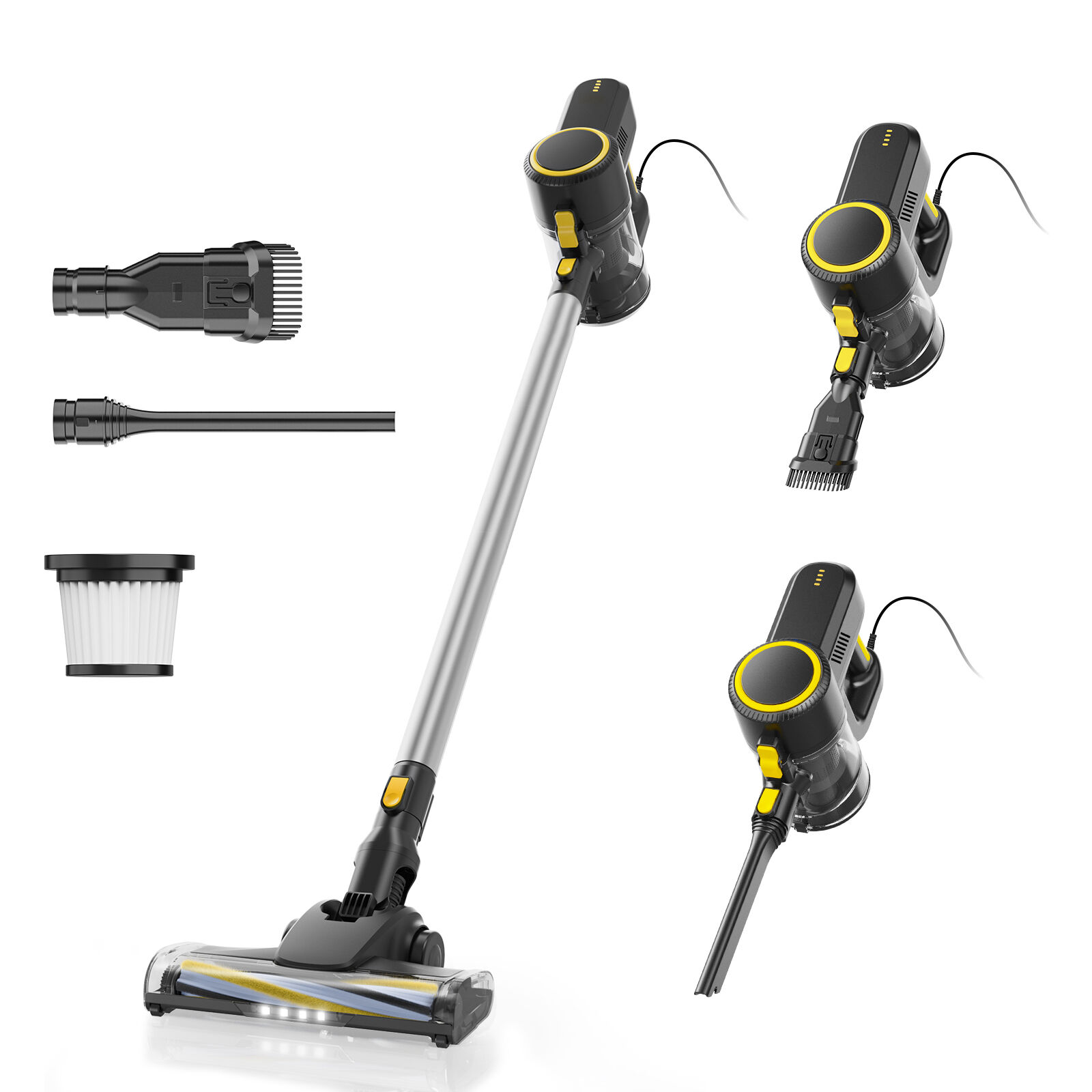
The Great Debate of "HEPA Filtration vs Airflow Loss": Why a 120 AW Car Vacuum Might Underperform a 90 AW Car Vacuum
HEPA filters have the capability to capture microparticles with an efficiency of, approximately, 99.97%- however, dense media within the filters may create suction obstacles, and therefore barriers to, airflow that may adversely affect the 'HEPA effectiveness' of the HEPA filter by close to 25%, and therefore the overall vacuum. Thus, a 120 AW vacuum with a basic HEPA filter may outperform a 90 AW, a less expensive AW (with a more efficient HEPA filter, serpentine smoothed hose design), and a more expensive AW with a 'more efficient' battery (Navigating the potentially shorts in the battery's voltage tighter expiration).
The guidance through the lab tests says, of the 120 AW models, 85% of the models has the ‘vacuum engineered 90 AW’ efficiency. This clearance and the vacuum's ability (and ‘engineering’ design) to overcome suction obstacles from the engineered 90 AW model make that vacuum 'vacuuming engineered'.
FAQ
What is the difference between Air Watts and Peak HP in vacuum cleaners?
Peak HP and Air Watts (AW) are different. Peak HP is the temporary strain on the motor under lab conditions. Air Watts show the actual combining value of motor strain and vacuum power to clean. Therefore, Peak HP is less vacuum cleaner power than Air Watts.
How many Air Watts are needed for a vacuum cleaner to be good for a car wash?
A vacuum cleaner with good Air Watts for a car wash must be in a range of 60–100 AW for the average car wash, and for the vacuums of 100–140 AW, for harder car wash jobs such as making car cleaning jobs easier to dispose of pet hairs, wet car sand, or dry car cleaning spills.
Why does a vacuum with 120 AW perform worse than a vacuum with 90 AW?
It could be poor vacuum design, such as poor battery management, poor filtration system, poor hose design, poor vacuum design, etc.
How does having a HEPA filter affect a vacuum cleaner's performance?
Vacuum cleaner HEPA filters can be poor or excellent. All poor HEPA filters will provide poor flow, while poor HEPA filters will increase flow. It shuts off the vacuum flow, but the suction power of the vacuum is still good.