 ×
×
Entering global markets requires strict adherence to international standards. A qualified supplier must possess a comprehensive "passport" of certifications—credentials that not only unlock market access but also build long-term trust with B2B partners, differentiate brands from competitors, and ensure sustainable operations in an increasingly regulated global trade landscape. For manufacturers and exporters aiming to secure a foothold in high-value markets such as Europe, North America, and Asia-Pacific, these certifications are no longer optional add-ons; they are the foundational pillars of a successful global supply chain strategy.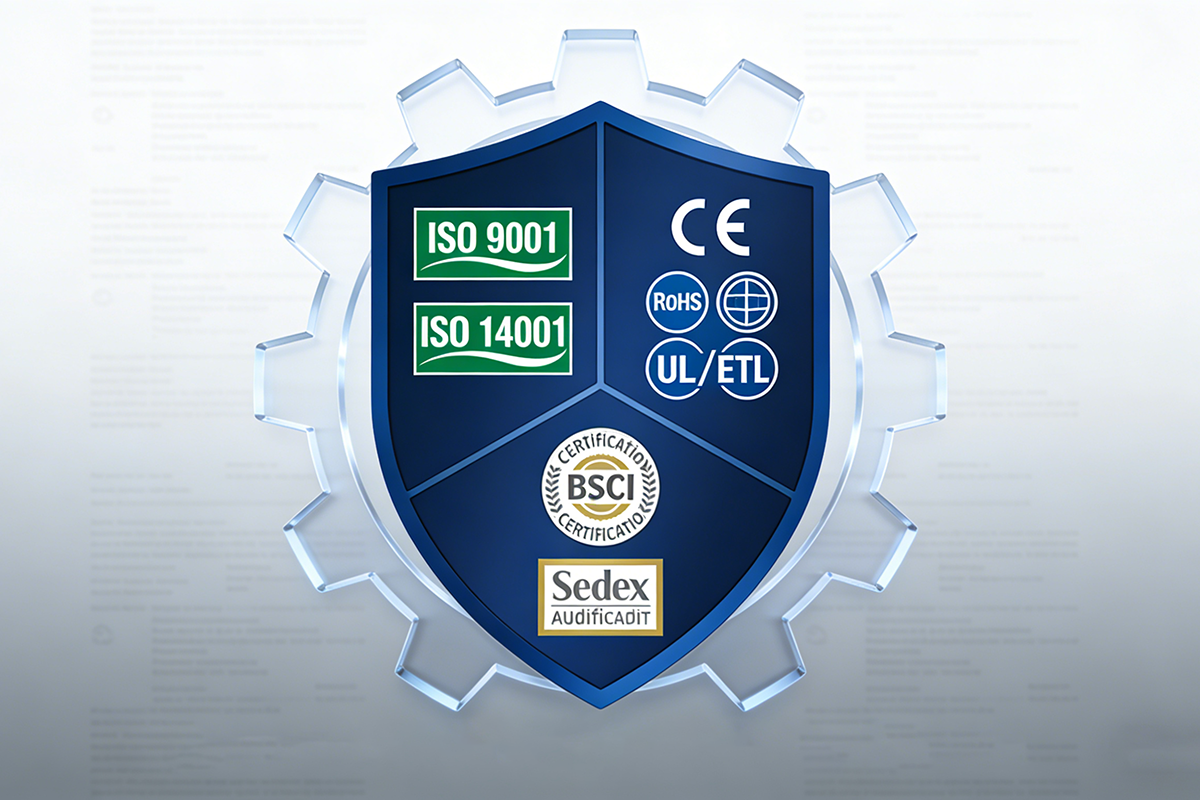
1. Quality and Management Systems (ISO): The Backbone of Operational Excellence
At the core of any reputable supplier’s credential portfolio lie ISO 9001 and ISO 14001 certifications, two globally recognized standards that serve as benchmarks for quality and environmental stewardship. ISO 9001, the international gold standard for quality management systems, mandates that suppliers implement a systematic, data-driven approach to every stage of production—from raw material sourcing and product design to manufacturing, testing, and after-sales service. This framework ensures consistent product quality, minimizes defect rates, and streamlines operational efficiency, directly reducing costs for both suppliers and their B2B clients. For buyers, partnering with an ISO 9001-certified supplier means less risk of product failures, fewer supply chain disruptions, and greater confidence in meeting end-customer expectations.
Complementing ISO 9001 is ISO 14001, which focuses on environmental management. In an era where sustainability is a top priority for consumers, regulators, and investors alike, this certification demonstrates a supplier’s commitment to reducing its environmental footprint—whether through waste reduction, energy efficiency, or responsible resource management. ISO 14001-certified suppliers are better equipped to comply with green regulations, avoid costly environmental penalties, and align with the sustainability goals of their B2B partners. Together, these two ISO certifications create a robust foundation for operational excellence, signaling to global buyers that a supplier is capable of delivering high-quality products in an environmentally responsible manner.
2. Regional Safety Compliance: Unlocking Market Access with Targeted Certifications
Beyond universal ISO standards, suppliers must tailor their certification portfolios to meet the unique safety and regulatory requirements of target markets. For the European Union (EU), two certifications stand as non-negotiable prerequisites: CE and RoHS. The CE marking is a mandatory conformity label that indicates a product meets all EU health, safety, and environmental protection standards, allowing it to be freely traded within the European Economic Area (EEA). Without CE certification, products are barred from EU shelves—a critical barrier for suppliers targeting one of the world’s largest consumer markets.
Paired with CE is the RoHS (Restriction of Hazardous Substances) directive, which limits the use of hazardous materials such as lead, mercury, and cadmium in electrical and electronic products. RoHS compliance not only ensures product safety for end-users but also reduces the environmental impact of product disposal, aligning with the EU’s circular economy goals. For the North American market, suppliers must prioritize UL (Underwriters Laboratories) or ETL (Intertek Testing Laboratories) certifications, both of which validate product safety and performance according to U.S. and Canadian standards. These certifications are widely recognized by retailers, distributors, and regulatory bodies across the region, making them essential for suppliers seeking to penetrate the North American market.
Looking ahead to 2026, a new certification requirement is emerging as a game-changer for smart home product suppliers: compliance with the Matter protocol. Developed by a consortium of tech giants, Matter is a universal connectivity standard that enables smart devices from different brands to work seamlessly together. As more consumers and businesses adopt smart home technology, Matter compliance will become a key differentiator, allowing suppliers to tap into the fast-growing smart home market while ensuring interoperability and user convenience.
3. ESG and Social Responsibility: Building Trust Through Ethical Practices
In today’s global marketplace, quality and safety certifications are no longer enough to win over discerning B2B buyers. Increasingly, partners are evaluating suppliers based on their ESG (Environmental, Social, and Governance) performance, with a particular focus on social responsibility. This is where certifications and audits from organizations such as BSCI (Business Social Compliance Initiative) and Sedex (Supplier Ethical Data Exchange) come into play.
BSCI, a leading social compliance initiative, assesses suppliers against a set of rigorous standards related to labor rights, working conditions, and ethical business practices. A BSCI audit evaluates everything from fair wages and working hours to workplace safety and child labor prevention, ensuring that suppliers operate in line with international labor standards. Similarly, Sedex is a global platform that allows suppliers to share ethical and sustainability data with their clients, promoting transparency and accountability throughout the supply chain. For B2B buyers, partnering with BSCI or Sedex-audited suppliers is not just a matter of ethical responsibility; it is a strategic decision to protect brand reputation, avoid supply chain scandals, and meet the expectations of socially conscious consumers.
In an increasingly interconnected and regulated global economy, these certifications are more than just paperwork—they are the keys to unlocking new markets, building long-term partnerships, and driving sustainable growth. For top suppliers, investing in a comprehensive certification portfolio is not an expense, but an investment in future success, ensuring that they remain competitive, compliant, and trusted partners in the global marketplace.
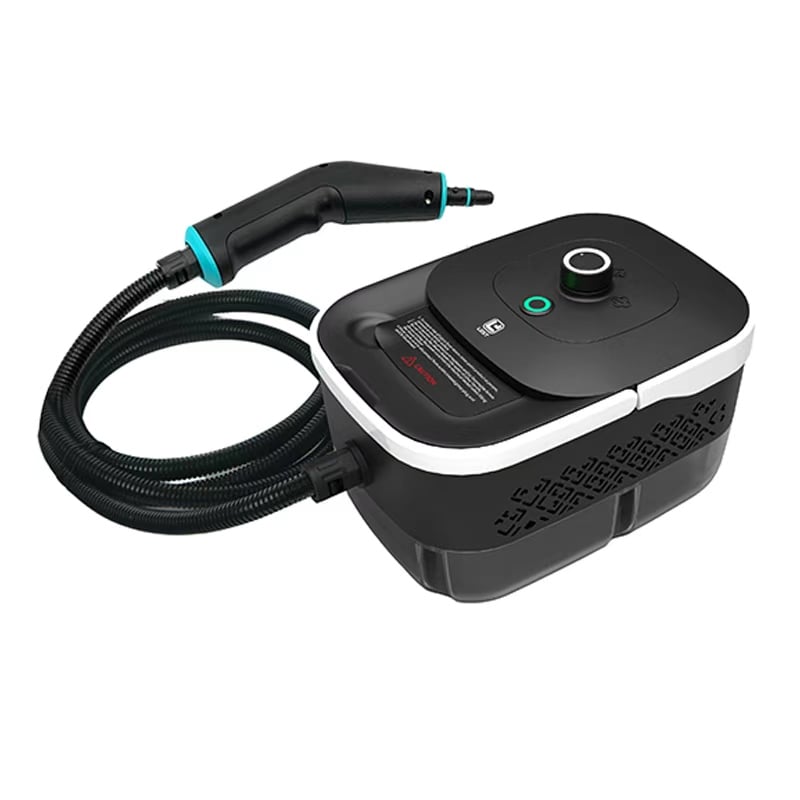
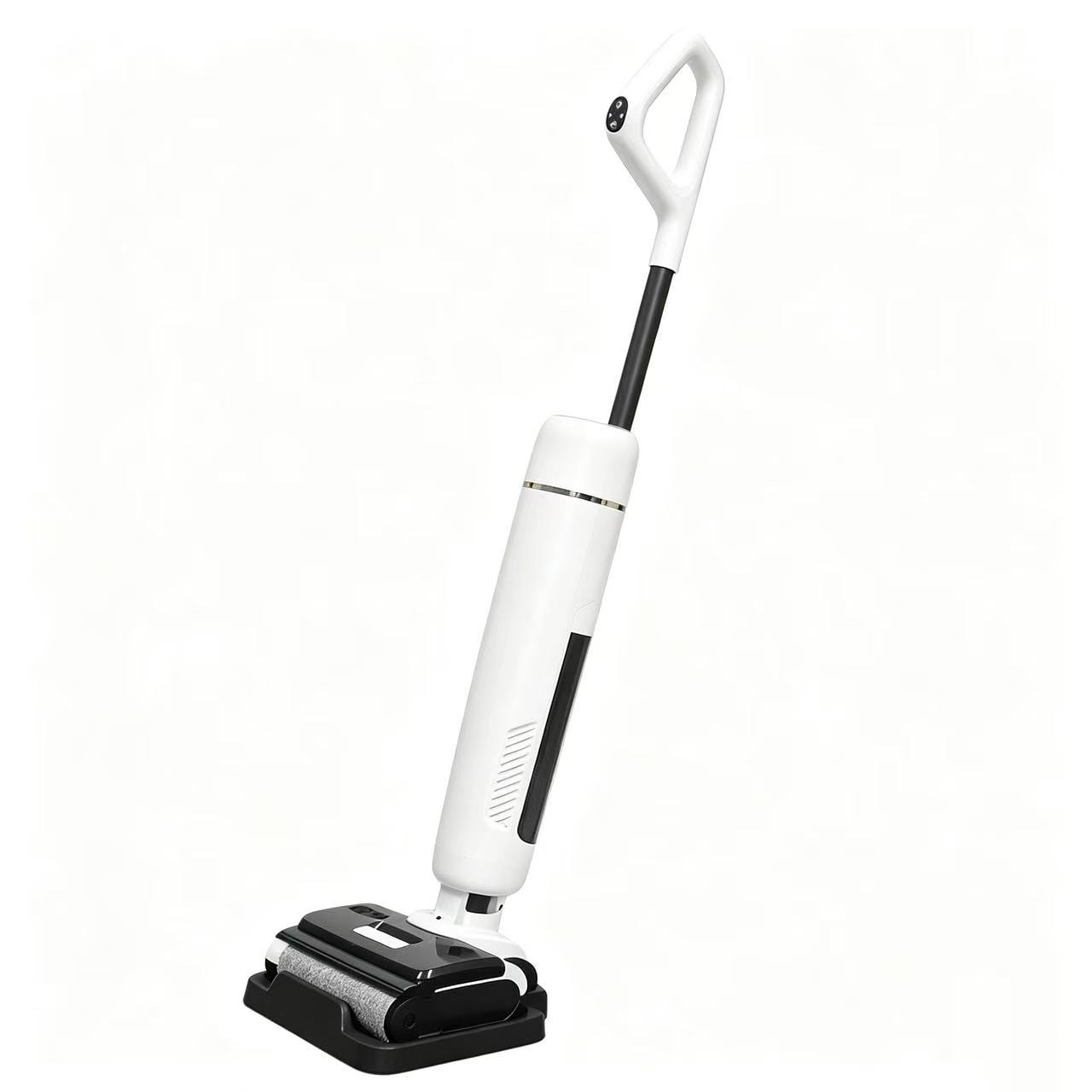
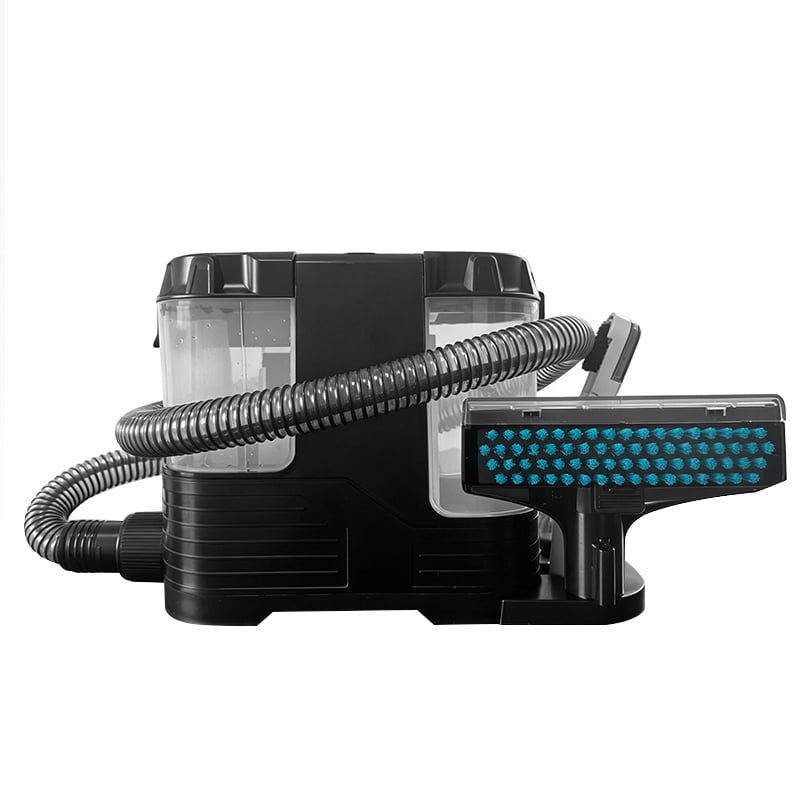
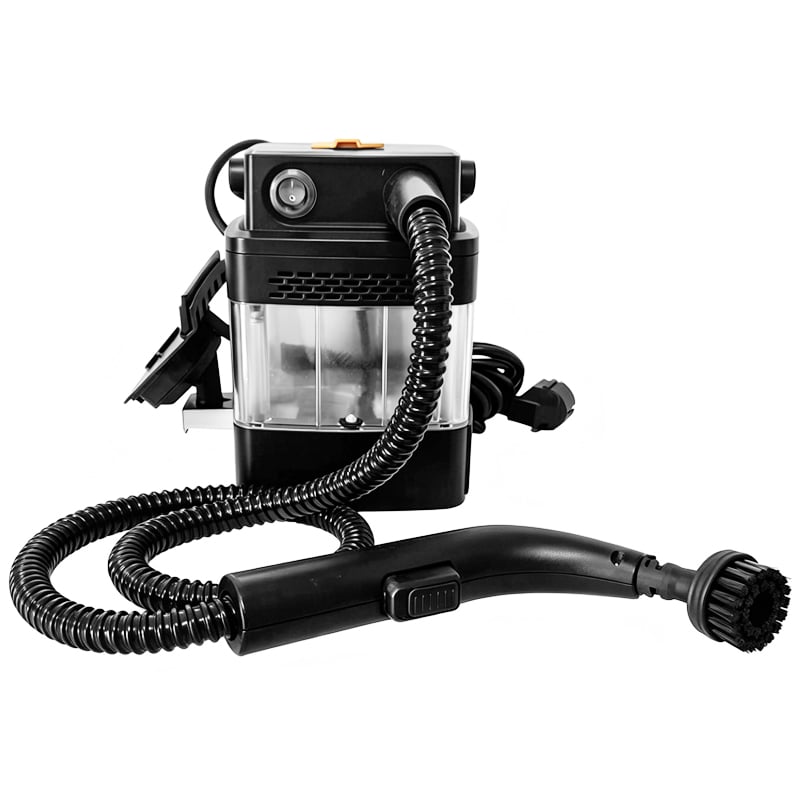
Ningbo Texous Electrical Appliances Co.,Ltd provides professional vacuum cleaners, steam cleaners & floor washers for global B2B clients. OEM/ODM expertise, ISO-certified quality, 100+ international customers. Request a quote today.
Zhejiang, Ningbo, Yuyao, MazhuTown, ZhubeiVillage, Emei Mountain, Bridge Road No.2, Texous Electric Appliances Co., Ltd.
Copyright © 2026 by Ningbo Texous Electrical Appliances Co.,Ltd Privacy Policy

 EN
EN



 Hot News