
 EN
EN



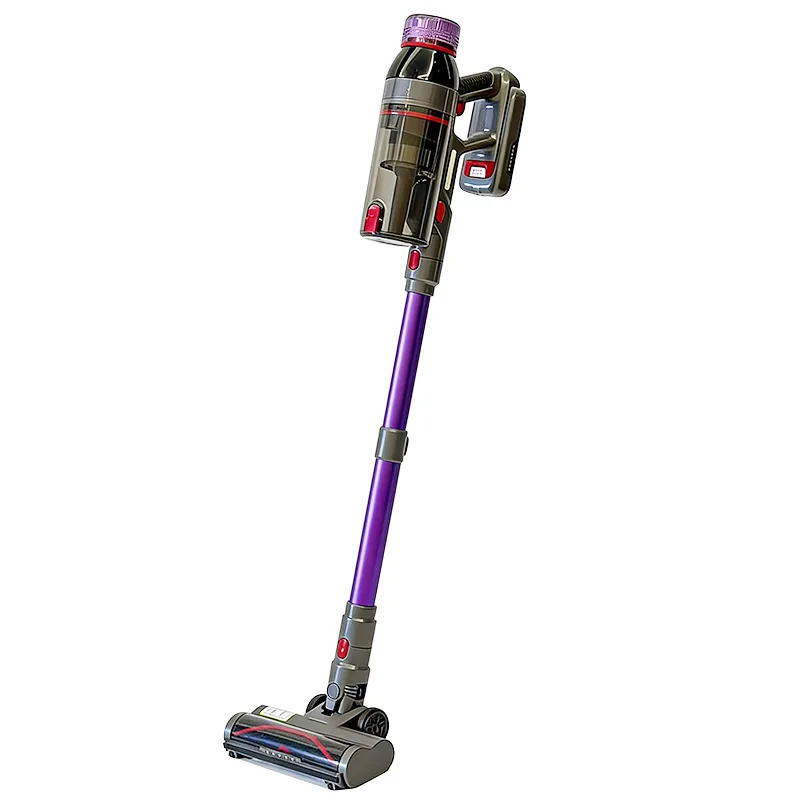
Que signifie le « prototypage rapide » pour la production d'aspirateurs ?
Trouver un juste équilibre entre la rapidité de l’itération et la rapidité de l’évaluation
La prototypage rapide, dans ce contexte, signifie bien plus que simplement réduire le délai de création de modèles. Cela implique l’intégration d’itérations rapides et d’un apprentissage validé par des données issues du monde réel. Ils ont constaté qu’ils pouvaient produire des modèles fonctionnels en quelques jours, au lieu des semaines ou des mois nécessaires auparavant. Ils n’auraient pas pu créer ces modèles s’ils n’avaient pas réalisé de prototypes permettant de valider les paramètres de performance les plus critiques. Ils examinent notamment la puissance d’aspiration (généralement exprimée en watts d’air), le niveau sonore élevé éventuel de l’appareil lors d’un fonctionnement intensif (il doit fonctionner à moins de 65 décibels) ainsi que les emplacements des poignées et les positions de manœuvre susceptibles de causer une gêne à l’utilisateur pendant les tâches de nettoyage courantes. Une grande entreprise de ce secteur a réduit de 50 % la durée de son processus de développement en adoptant ce qu’elle appelle la « validation parallèle ». Les ingénieurs mécaniciens évaluaient l’échauffement du moteur en fonctionnement, tandis que les concepteurs veillaient à ce que les poignées soient ergonomiques et que le poids de l’appareil soit réparti de façon appropriée. Cela illustre la nécessité pour les ingénieurs de faire preuve de prudence en tenant compte des contraintes transversales, faute de quoi ils risqueraient d’engendrer, en fin de processus, des modifications coûteuses.
Caractéristiques principales : Usinage CNC, outillage rapide et laboratoires d’essais intégrés
Une prototypage rapide fiable repose sur trois compétences fondamentales :
Usinage CNC : Permet la fabrication de composants d’assemblage (boîtiers de moteur et brosses rotatives) en moins de 48 heures.
Outillage rapide : Propose un outillage souple pour une production à faible volume, c’est-à-dire 50 à 300 unités, afin de vérifier l’ajustement des matériaux et de l’assemblage avant la mise en œuvre de l’outillage complet destiné à la production de série.
Laboratoires d’essais intégrés : Essais sur site portant sur le débit d’air et les chutes (normes IEC 60312 et 60335-1), ainsi que sur les filtres, y compris la capacité de capture des filtres HEPA atteignant 99,97 % pour les particules de 0,3 micron.
Les usines ne disposant pas de ces capacités peuvent s’attendre à des délais de développement allongés de 15 à 20 %, en raison de la nécessité de gérer des partenariats externes, tandis que les installations certifiées parviennent à boucler les itérations de retours sur prototype en moins de 10 jours.
Vitesse de prototypage vérifiée pour les principaux fabricants d’aspirateurs
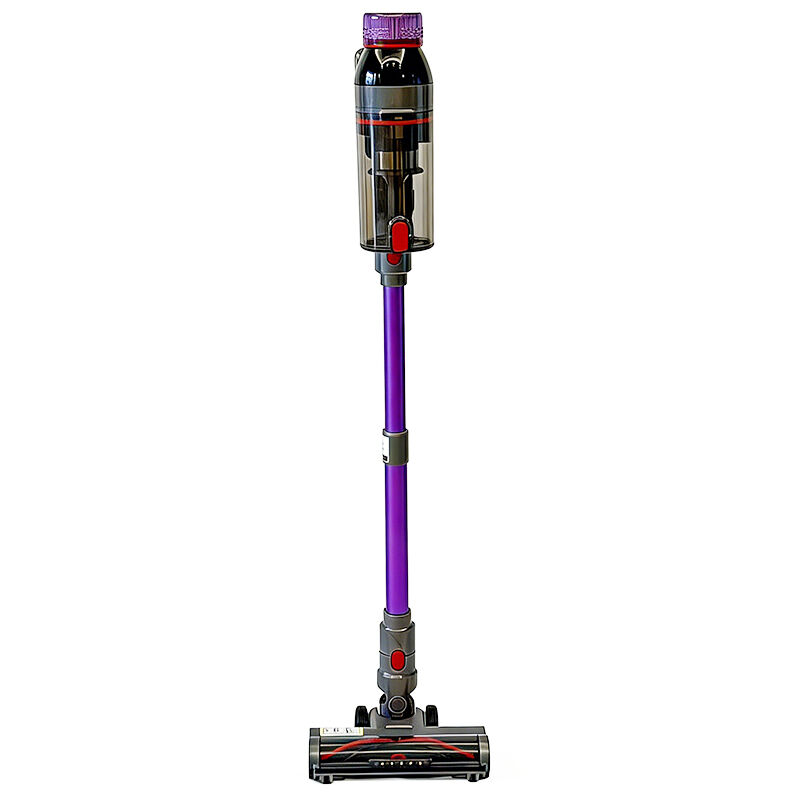
Sous-traitants OEM de Shenzhen : Prototypes d’aspirateurs en moins de 10 jours
Les entreprises OEM de balayeuses aspirantes à Shenzhen peuvent fournir des prototypes entièrement fonctionnels en 10 jours ou moins, grâce à leur production de masse et à leurs stocks de composants pré-assemblés tels que les moteurs sans balais, les séparateurs cycloniques et les filtres HEPA. Ces composants pré-assemblés permettent de réduire de 50 % la nécessité d’apporter des modifications au design par rapport à une conception entièrement sur mesure. En complément de leurs services internes d’usinage CNC et de prototypage rapide, les fabricants sont en mesure d’effectuer des évaluations du débit d’air (indice AW de 120 ou plus) et des mesures de bruit (inférieures à 70 dB) avant l’expédition du produit. À titre d’exemple, un fabricant particulièrement performant est capable de tester 15 conceptions différentes en un mois. Plus remarquable encore, 80 % des composants utilisés dans les prototypes sont directement repris dans le modèle de série, souvent sans nécessiter de modifications supplémentaires.
Usines taïwanaises de balayeuses aspirantes : partenariats collaboratifs en conception et en ingénierie
Quelle est l’originalité des fabricants taïwanais ? Leurs équipes d’ingénierie intégrées commencent à collaborer avec les clients dès la phase d’ingénierie du projet. Leur approche intègre les principes de conception pour la fabrication (DFM) le plus tôt possible. Par exemple, elles peuvent démarrer précocement la construction du canal d’aspiration de l’aspirateur, concevoir les tolérances des composants à ±0,05 mm près et identifier 60 % des erreurs typiques observées sur les prototypes. En matière d’assistance technique, elles privilégient des matériaux résistants aux chocs, conçoivent des batteries intégrées pour les versions sans fil et positionnent des capteurs intelligents afin de respecter les exigences de la norme UL. Les produits développés dans le cadre de ce partenariat obtiennent les certifications CE et FDA 40 % plus rapidement et nécessitent 30 % moins de modifications de conception. Cela réduit considérablement la charge ingénierie pour les clients tout en garantissant que les prototypes correspondent aux capacités de production avant le début de la fabrication des échantillons.
Évaluation de la fiabilité d’un fabricant d’aspirateurs en matière de prototypage
Trois indicateurs : études de cas sur les accords de confidentialité (NDA), propriété des outillages et indicateurs de passage des prototypes à la phase pilote
Lors de l'évaluation de la capacité d'une usine à produire des prototypes fiables, trois indicateurs sont nettement plus révélateurs qu'un simple discours commercial. Obtenez des études de cas soumises sous accord de confidentialité (NDA) démontrant comment l'usine a aidé ses clients à relever des défis spécifiques liés à la conception d'aspirateurs (par exemple : comment obtenir un débit d'air optimal sur plusieurs types de surfaces, ou comment résoudre les problèmes de bruit dans les aspirateurs sans fil compacts, etc.). Les fabricants réputés fourniront volontiers de telles études de cas en réponse à cette demande. Le point suivant d'intérêt concerne la propriété des outillages. Les usines qui conservent la propriété des moules d'injection sur mesure et d'autres cartes de circuits imprimés (PCB) spécialisées créent une situation de dépendance qui nuira à l'industrialisation et entraînera, à l'avenir, une augmentation négative des coûts. Enfin, les fabricants avec lesquels vous souhaiterez collaborer doivent apporter moins de 15 % de modifications au design, réaliser des séries pilotes dans le mois suivant la validation, disposer d'une équipe d'ingénieurs compétente et avoir du tôle prête à l'emploi. Cela s'applique également aux fabricants avec lesquels vous souhaiterez collaborer, qui apportent moins de 15 % de modifications au design, réalisent des séries pilotes dans le mois suivant la validation et disposent d'une équipe d'ingénieurs compétente ainsi que de tôle prête à l'emploi.
Le rapport le plus récent sur les analyses de la fabrication indique que ces usines connaissent environ 40 % moins de retards de production que les autres types d’usines. Comme toujours, veuillez vérifier cette information par des visites sur site et des essais indépendants. Les allégations imprécises concernant des « itérations rapides » tendent à révéler des faiblesses importantes dans leurs processus de validation.
Sélection d’une usine d’aspirateurs : stratégies clés pour les projets soumis à des contraintes de délai
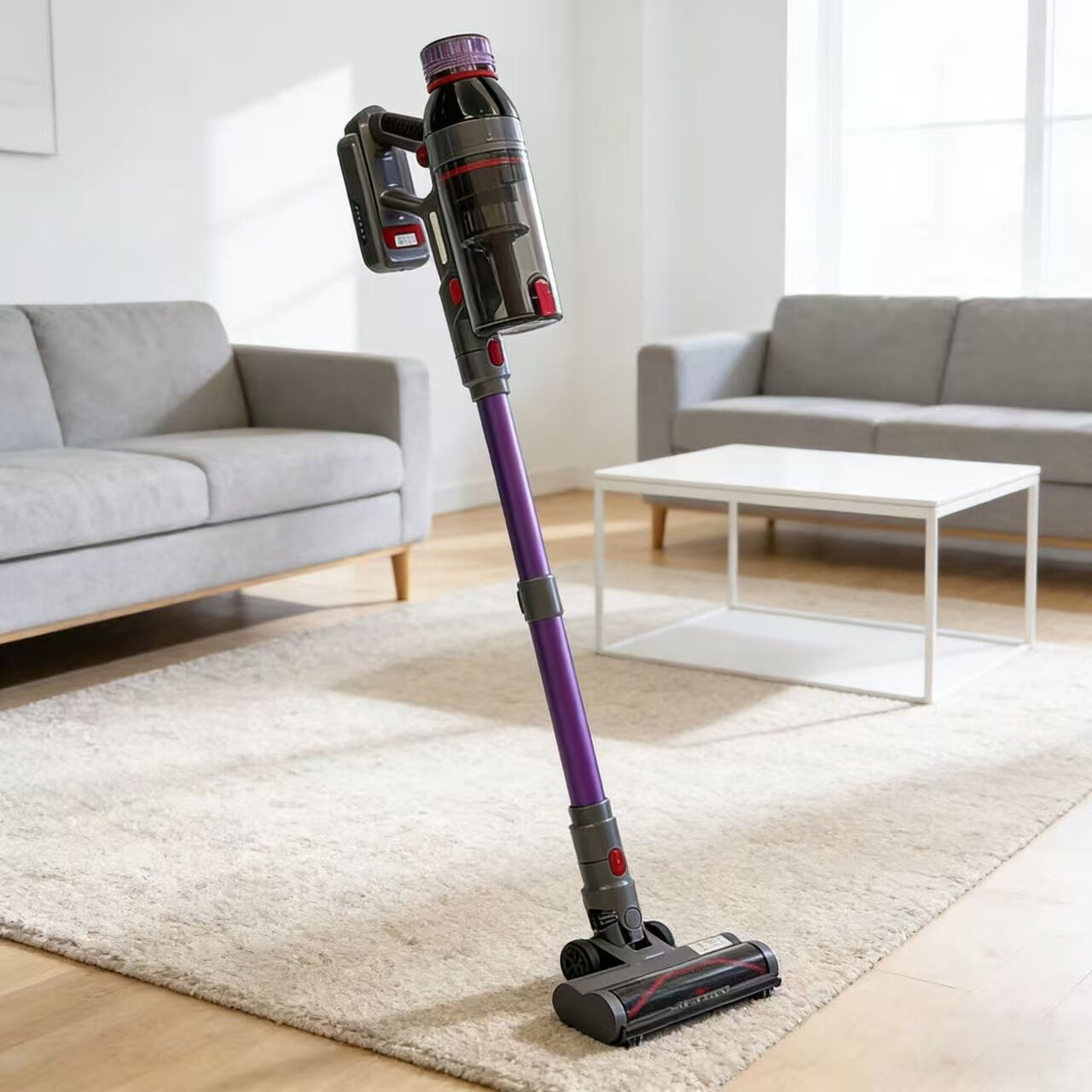
L'importance de chaînes d'approvisionnement résilientes est à un niveau sans précédent. Les entreprises disposant de leurs propres usines ou détenant directement la propriété des sources de leurs composants évitent les problèmes d'approvisionnement, les pénuries de fournisseurs ou les perturbations du transport. La capacité à adapter rapidement l'échelle des opérations est également essentielle. Les meilleurs fabricants peuvent passer de petits lots de test d'environ 50 unités à des séries de production massives comptant plusieurs milliers d'unités en l'espace d'un mois environ. Cela réduit au minimum la nécessité de procéder à des essais supplémentaires ou à des changements d'équipement. Pour ma part, toutefois, le facteur différenciant le plus important réside dans leur capacité à gérer des priorités changeantes. Les fournisseurs de premier plan sont capables de mettre en œuvre intégralement une commande de modification technique (ECO) en moins de deux jours ouvrables, sans modifier les outillages. Cela permet de maintenir le projet dans les délais initiaux, même lors de lancements produits particulièrement ambitieux. Une bonne intégration des équipes d'ingénierie conception, fabrication et qualité permet d'obtenir les meilleurs délais de réponse. Une accélération du temps de mise sur le marché peut offrir un avantage de premier entrant et permettre aux entreprises de se démarquer sur le marché des aspirateurs.
Questions fréquemment posées
Que signifie la fabrication rapide de prototypes dans le domaine des aspirateurs ?
La fabrication rapide de prototypes d’aspirateurs désigne la capacité de concevoir plusieurs modèles et de construire des maquettes fonctionnelles en quelques jours, tout en veillant à ce que ces maquettes répondent aux exigences critiques de performance.
Quel rôle l’usinage CNC joue-t-il dans la fabrication rapide de prototypes ?
L’usinage CNC permet de concevoir et de fabriquer plus rapidement les pièces métalliques et composites, ce qui rend possible la fabrication rapide de prototypes.
Qu’est-ce qui permet une prototypage accéléré chez les équipementiers (OEM) de Shenzhen ?
Les équipementiers (OEM) de Shenzhen peuvent réaliser des prototypes rapidement grâce à l’utilisation de pièces préfabriquées, à l’usinage CNC et à la construction rapide d’outillages, ce qui permet d’éliminer les modifications de conception et les itérations.
Quelle est la meilleure méthode pour évaluer les capacités de prototypage d’une usine ?
Vous pouvez évaluer les capacités de prototypage d’une usine en demandant des études de cas confidentielles, en clarifiant la propriété des outillages et en examinant les données relatives à la transition des prototypes aux séries pilotes.
Table des matières
- Que signifie le « prototypage rapide » pour la production d'aspirateurs ?
- Une prototypage rapide fiable repose sur trois compétences fondamentales :
- Sous-traitants OEM de Shenzhen : Prototypes d’aspirateurs en moins de 10 jours
- Trois indicateurs : études de cas sur les accords de confidentialité (NDA), propriété des outillages et indicateurs de passage des prototypes à la phase pilote
- Questions fréquemment posées