
 EN
EN



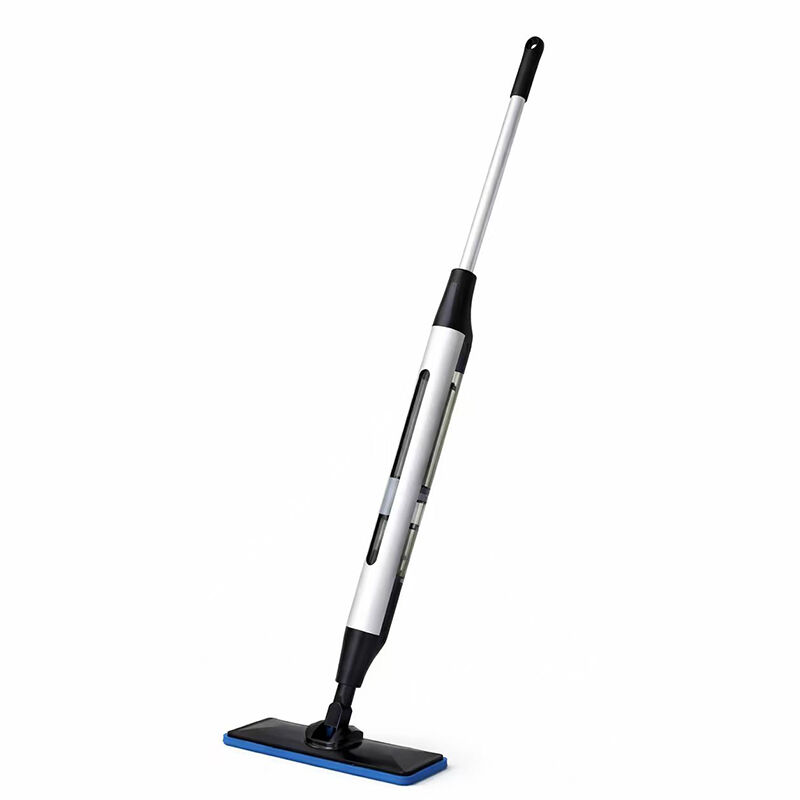
Vacuum Mop Combo Performance Across Common Hard Floor Types
Sealed Hardwood and Engineered Wood: Balancing Gentle Mopping with Effective Debris Removal
Vacuum mop combos perform best on sealed hardwood and engineered wood when moisture is tightly controlled—ideally under 1 tablespoon of water per square meter—to prevent warping. Advanced models with microfiber roller systems lift debris while limiting surface moisture penetration to under 0.5 mm. Critical performance thresholds include:
| Performance Factor | Requirement | Risk Threshold |
|---|---|---|
| Water Dispensation | <30 ml/min | >50 ml/min causes cupping |
| Surface Contact Time | <3 seconds | >5 seconds risks absorption |
| Suction Power | >100 AW | <80 AW leaves debris |
Top-tier units recover 95%+ of dispensed moisture within 15 seconds through immediate water extraction. Always verify manufacturer flooring compatibility and conduct a spot test before full-room use.
Tile, Stone, and Luxury Vinyl Plank (LVP): Maximizing Suction and Controlled Moisture Delivery
Non-porous surfaces like ceramic tile, natural stone, and LVP benefit most from vacuum mop combos’ dual-action capability. Adjustable suction (120–150 AW) and pulsating mop heads effectively dislodge grit from grout lines and textured finishes. Controlled water delivery—typically 15–25 ml/min—dissolves dried spills without leaving slippery residue. Independent testing shows LVP experiences 40% fewer water spots compared to traditional mopping when using dry-pass suction modes. For natural stone, avoid acidic cleaners; neutral pH solutions preserve surface integrity during steam-free cleaning cycles.
Laminate Floors: Mitigating Swelling Risk with Low-Moisture, High-Suction Vacuum Mop Combo Operation
Laminate demands precise moisture control: successful operation requires water flow under 20 ml/min and suction above 130 AW. Newer models feature porosity-detecting sensors that restrict water output to 2–5 second bursts—preventing seepage into plank seams where swelling begins. Best practices include:
- Using straight-line motions (no lingering)
- Running “dry mop” mode for weekly maintenance
- Wiping accidental pooling immediately
When used correctly, vacuum mop combos reduce swelling incidents by 78% versus steam mops (Home Innovation Labs, 2023). Confirm your laminate’s AC rating supports light wet cleaning before first use.
Key Limitations of Vacuum Mop Combos on Sensitive Hard Surfaces
Moisture Control Challenges: When Mopping Compromises Suction or Floor Integrity
The core limitation of vacuum mop combos on sensitive floors—laminate, unsealed hardwood, and porous stone—is the tension between effective cleaning and structural safety. Prolonged dampness triggers swelling, warping, or finish degradation, directly conflicting with the device’s simultaneous mopping and suction design. While low-moisture settings mitigate risk, they can reduce stain removal efficacy—creating an unavoidable trade-off. Clogged suction pathways further degrade drying performance, making regular filter and brush roll maintenance essential.
The Hardwood Floor Paradox: Why Even 'Safe' Vacuum Mop Combos Require Strict Usage Protocols
Despite “hardwood-safe” marketing claims, real-world use reveals significant constraints. Mechanical contact combined with even minimal moisture poses cumulative risks—cupping, finish clouding, or micro-abrasion from trapped particles. These issues emerge not from single-use errors but from repeated exposure to residual dampness beneath the unit or prolonged pad contact. Therefore, strict adherence is non-negotiable: operate only on fully sealed surfaces, avoid standing water, and immediately dry visible moisture trails.
Smart Innovations That Expand Vacuum Mop Combo Versatility on Hard Floors
Surface Detection and Auto-Adjusting Water Flow: How Tineco iLoop™ and Similar Tech Improve Compatibility
Intelligent surface detection—such as Tineco’s iLoop™ system—represents a meaningful leap in hard-floor adaptability. By continuously analyzing floor type in real time, these systems automatically modulate water output and suction power: reducing moisture on sealed hardwood to safeguard finish integrity, while increasing both parameters on tile or stone for deeper grout cleaning. This eliminates manual setting adjustments and significantly lowers the risk of oversaturation—expanding safe usage across diverse flooring without sacrificing cleaning performance.
Frequently Asked Questions (FAQ)
Can vacuum mop combos be used on unsealed hardwood?
Vacuum mop combos are generally not recommended for unsealed hardwood due to the risk of moisture penetration, warping, and surface damage.
What is the optimal water dispensation rate for laminate floors?
The optimal water dispensation rate for laminate floors is under 20 ml/min to avoid compromising floor integrity while cleaning effectively.
Are vacuum mop combos safe for natural stone surfaces?
Yes, vacuum mop combos can be used on natural stone surfaces provided you use neutral pH cleaning solutions and avoid acidic cleaners.
How do high-tech features like Tineco iLoop™ improve flooring compatibility?
Intelligent surface detection systems such as Tineco iLoop™ automatically adjust water flow and suction based on floor type, preventing oversaturation and improving cleaning efficiency on sensitive or diverse surfaces.