
 EN
EN



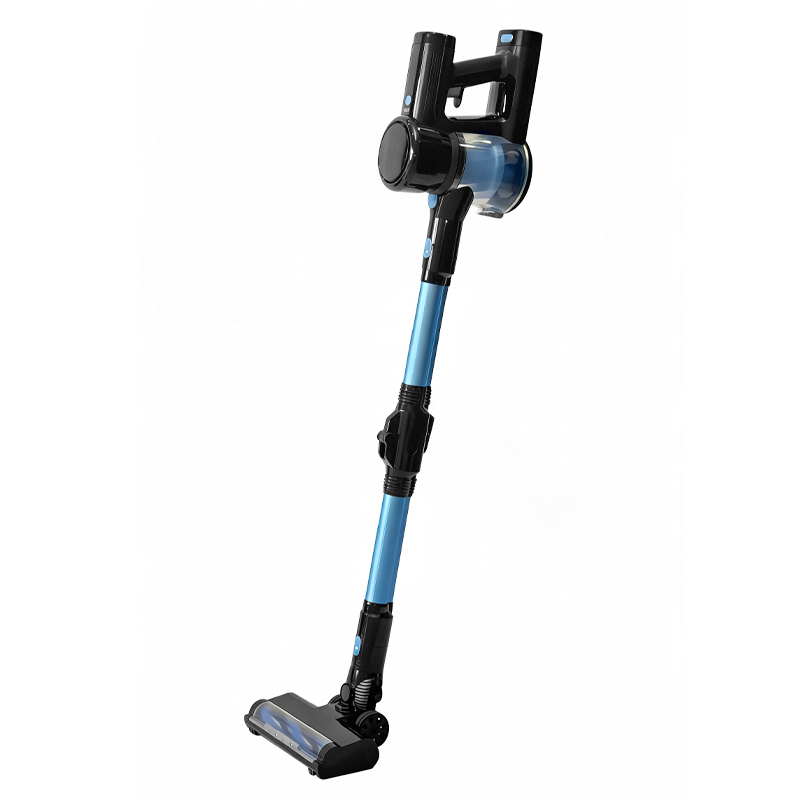
High-Efficiency Suction Designed for Maximum Space Efficiency
With airflow volume and static pressure, deep cleaning of open floor spaces is possible
The canister vacuum has been designed for cleaning large spaces with engineered airflow. CFM, or cubic feet per minute, describes an airflow volume for a cleaning system to effectively sweep debris on large open spaces. The water lift, or static pressure, describes the vacuum’s capability to pull embedded dirt within the fibers of a carpet or deep into the grout of the flooring. When CFM is 150+ and water lift is greater than 90, a strong vortex is created, allowing a thorough cleaning of particles on a surface in a single pass. This ensures a level of performance when cleaning large spaces that upright systems can’t provide because of a loss of suction in spaces greater than 800 square feet.
Wattage Misconception: Why a Powerful Motor Doesn’t Equate to Performance in Large Spaces
There is a widespread misconception that cleaning power can be indicated by wattage. The reality is that in large area cleaning applications the efficiency of the system is more important than the output of the motor. A canister vacuum contains a sealed, aerodynamically designed airflow system with pathways and a filtration system to retain over 95% suction at 15 feet. In contrast, many high-wattage uprights suffer more than a 40% loss of airflow at 15 feet due to internal leakage and restrictive ducting. Unbiased testing supports that in a facility greater than 1,200 square feet, a well-engineered 800W canister vacuum outperforms a poorly engineered 1,200W upright. This is especially true because of the canister’s optimized design to maintain suction during continual use.
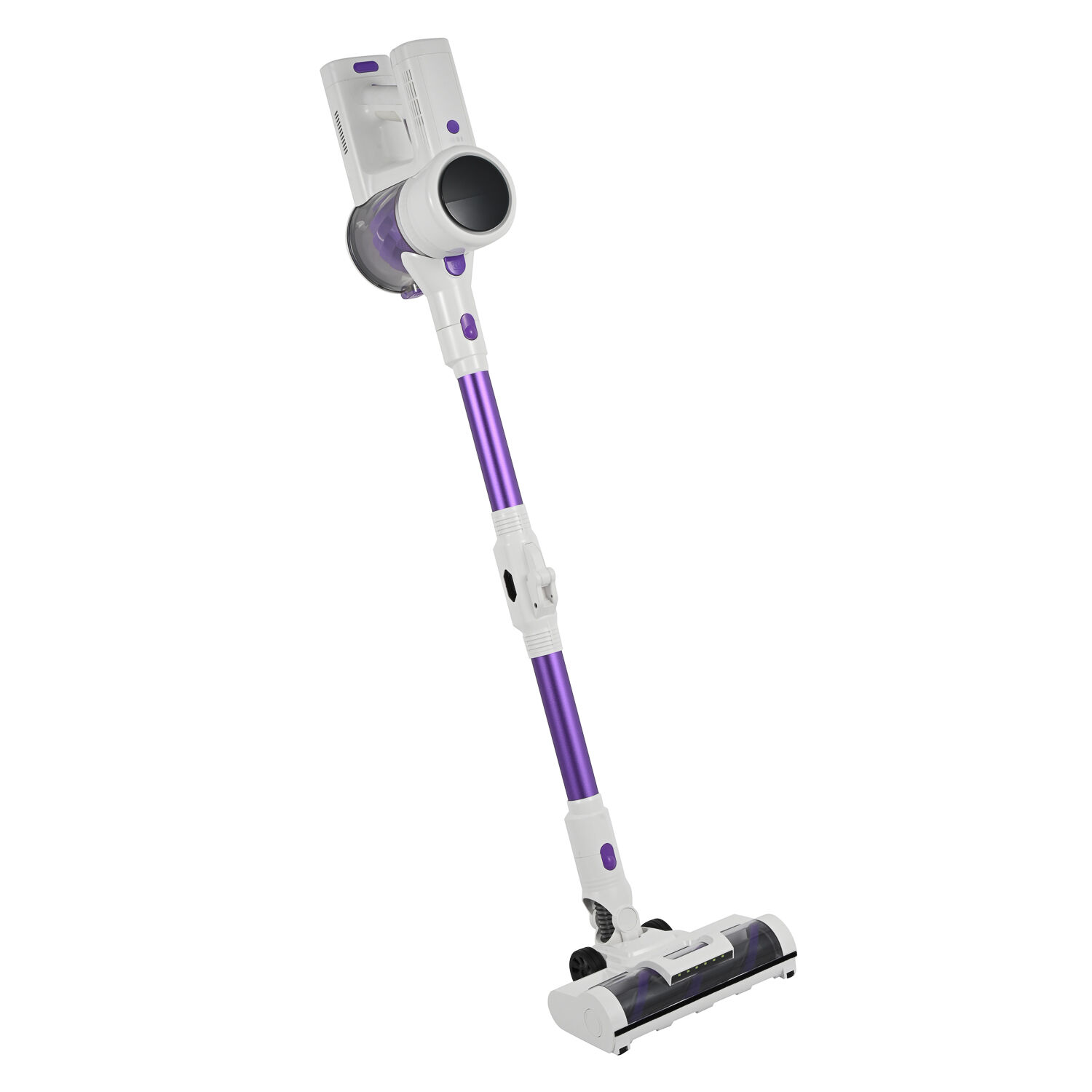
Agile Mobility for Seamless Coverage Across Complex Large-Space Layouts
360° Swivel Wheels, Low Center of Gravity, and Balanced Weight Distribution
Compared to rigid upright vacuums, premium canister designs incorporate three major mobility innovations:
- 360° swivel casters allowing for immediate adjustments in direction around furniture and fixtures
- A chassis that is lower in height, greatly reducing risk of tipping when passing over uneven surfaces
- A strategy for weight distribution that centers the motor over the wheels and the dustbin near the center
This design cuts operator muscle strain by 30% (Workplace Ergonomic Studies 2023) during extended use, while retaining stability over thick area rugs, floor level transitions, and surfaces that are at an incline. When making sharp turns, mass balance is prioritized to prevent the relocation of any internal components. This is a huge advantage in active commercial areas like lobbies, retail corridors, and flexible office spaces.
Flexibility of the Hose-and-Wand Design Versus the Upright Design in Stairwells, Hallways, and Multi-Level Buildings
Upright vacuums have design limitations relative to architectural detail. For example, upright models struggle with cleaning stairs, have to be pulled whole through narrow hallways, and have to be lifted to a great extent to be transported through a building from one level to another. Canister vacuum designs disconnect mobility from the suction. Operators can remove lightweight (frequently less than 3 lbs) hoses and extension wands for:
- Cleaning of stair treads in a vertical position with no movement of the unit
- Pivoting of the whole unit to the side to provide vacuuming in a narrow hallway, by moving only the handle
- Transport of only the hose assembly, with no handle of the whole unit, to a different level of the building
This vacuum hose-and-wand design for large facilities of over 10,000 sq ft reduced repetitive strain injuries by 41% (Industrial Hygiene Journal 2022). The hose-and-wand design is self-supporting with a vacuum base; it provides no-cord hindrance to remove the vacuum system from furniture to the position behind or under it. The design vacuum system allows for efficiency and mobility of vacuuming throughout the system.
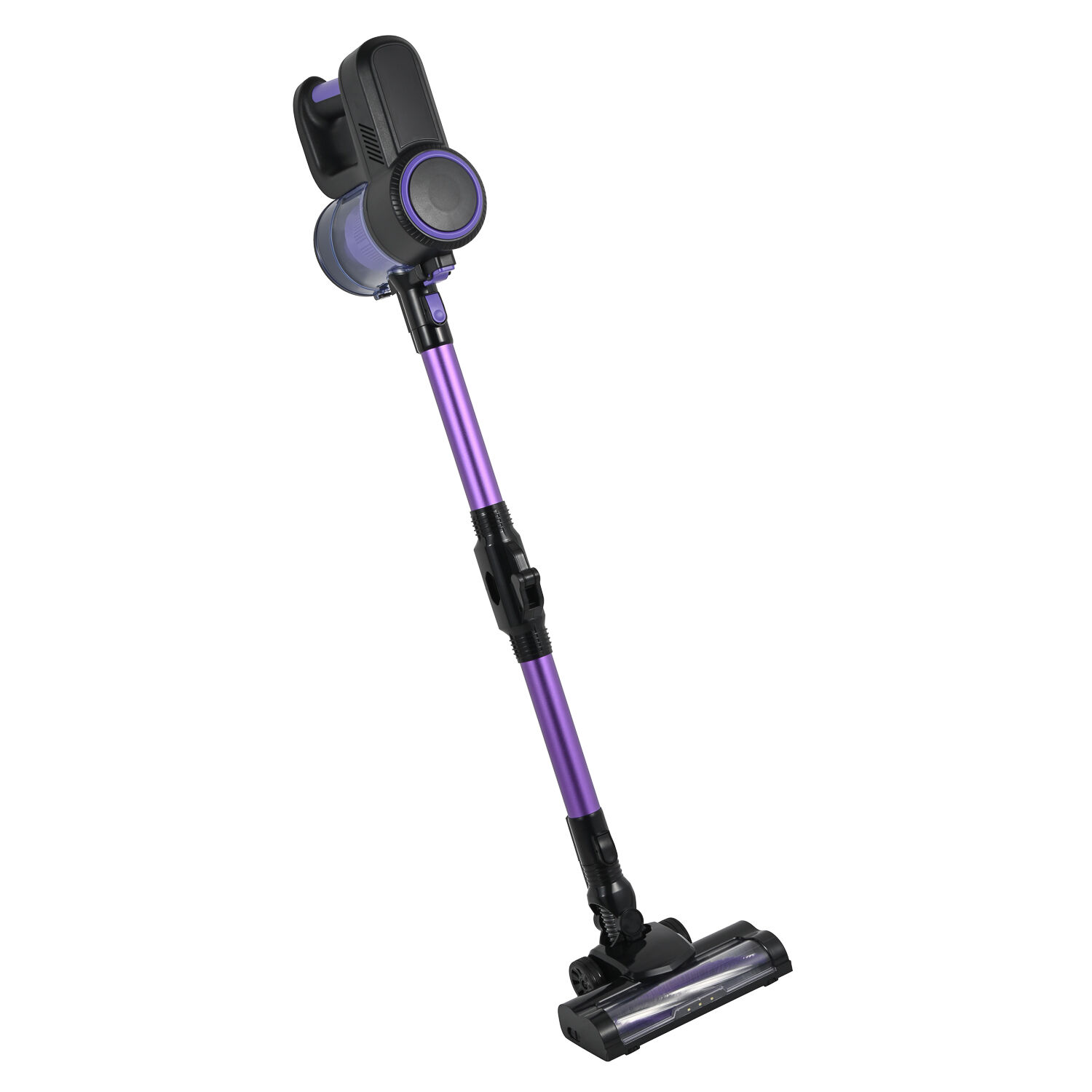
True Floor-Type Versatility Without Compromise in Expansive Environments
Large open areas in big commercial spaces increasingly include mixed flooring — hardwood, tile, low-pile carpet, and luxury vinyl. Dedicated vacuums for each floor type disrupt work flow with multiple floor surface changes. Upright vacuums require manual adjustments that cost precious seconds. Canister vacuums eliminate the “reset penalty.” They use boundary modulation to customize suction across materials and maintain effective removal of debris.
A modular system further supports specialized cleaning without sacrificing time. Operators can switch between a carpet brush and a hard floor brush instantly and without downtime. This flexibility enables the complete removal of contaminants across a floor plan from hard floors in a distribution center to the carpet in a conference room, and preserves the momentum of time critical commercial activities.
Extended Reach and Practical Portability for Whole-Area Canister Vacuum Coverage
12+ Foot Hose + Telescopic Wand: 1,200+ Sq. Ft. Cleaning Radius Per Pass
Canister vacuums, with a 12+ foot flexible hose and adjustable telescopic wand, can vacuum an area of 1,200+ square feet, offering unparalleled operational range for powerful suction. They can minimize the need to relocate the vacuum in expansive hallways and large open spaces. The rest of the vacuum apparatus remains stationary. The lightweight body of the canister does not restrict the length of the wand, and the wand can unobstructed vacuum hard to reach areas, under furniture, and across large floor spaces. The wand easily adjusts to different heights and can provide suction to surfaces across low clearances. Ergonomic studies suggest that this vacuum design can minimize physical strain by 40% when vacuuming compared to traditional corded vacuum cleaners. They also have been shown to triple coverage efficiency.
FAQ Section
What is the importance of CFM and water lift in vacuum cleaning?
CFM and water lift are two vacuum cleaner performance metrics. CFM is an effective measure of the volume of airflow within a vacuum and its ability to remove large debris in an expansive area. Water lift measures the vacuum's ability to remove dirt that is embedded in carpets or grout. Both metrics are important for effective cleaning.
Does wattage guarantee vacuum performance in large spaces?
Not necessarily. Wattage is more a measure of the energy consumed by the vacuum and is a poor measure of performance. Vacuums that have fully engineered sealed pathways where airflow is efficient and have aerodynamic designs can outperform higher wattage systems.
What makes canister vacuums more mobile than upright vacuums?
A canister vacuum features 360-degree swivel wheels, balanced weight distribution, and detachable hoses, which improve navigation through mazelike areas. Detachable hoses help reduce strain during vacuuming. This helps when cleaning stairs or vacuuming in tight areas.
What is the canister vacuum’s ability to transition between different surface types?
To clean different surface types, these vacuums make use of suction that automatically controls how much air flows. This system prevents the need to change the setting on the vacuum and allows continuous cleaning, whether the surface is wood, tile, carpet, or other materials.
What is the range, in area, of a canister vacuum?
With a 12+ foot hose and a telescopic wand, canister vacuums cover a massive area of over 1,200 square feet in their range per each use without having to move the vacuum base.