
 EN
EN



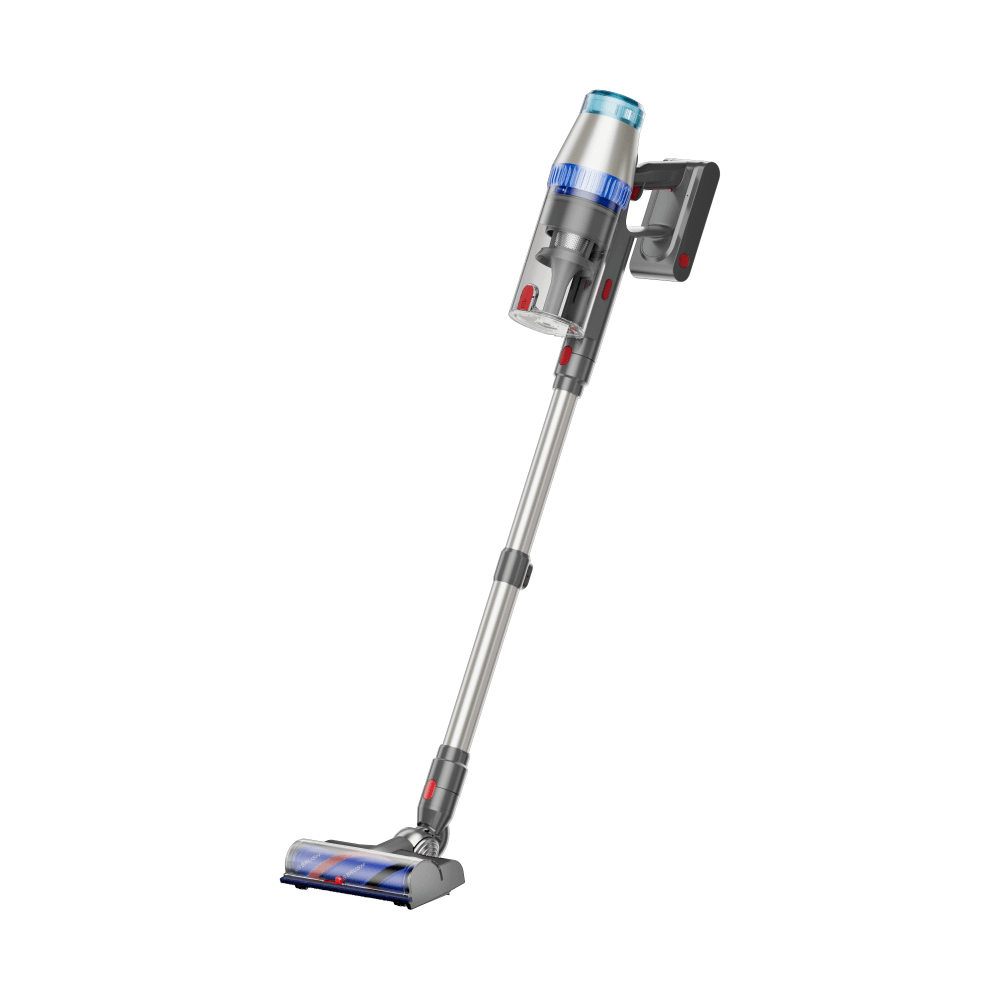
How the Self Cleaning Floor Washer’s Automated System Cuts Cleaning Time
Integrated solution recovery and brush agitation eliminate manual rinsing and reloading
A self cleaning floor washer automates brush rinsing and solution recovery—removing manual stops from the cleaning cycle. Traditional floor scrubbers force operators to pause every 30 to 60 minutes to empty dirty water tanks and rinse brushes. In contrast, the integrated solution recovery system continuously filters and recirculates cleaning solution, while active brush agitation dislodges debris without intervention. This eliminates downtime associated with routine maintenance. Industry data shows automated scrubbers clean 10,000–20,000 square feet per hour—up to 7× more than manual mopping (2,000–3,000 sq ft/hr). By removing frequent stops for brush care, the self cleaning floor washer increases productive cleaning time by nearly 40% over standard ride-on scrubbers that still require periodic manual attention.
Wider cleaning path and continuous operation vs. traditional scrubbers boost coverage by up to 35%
Traditional walk-behind scrubbers typically offer a 24- to 30-inch cleaning path and require multiple overlapping passes, slowing total coverage. A self cleaning floor washer commonly features a 40-inch or wider path and runs continuously without operator breaks—directly increasing area cleaned per hour. While a standard automatic scrubber covers ~15,000 square feet per hour, a self cleaning model reaches 20,000+ square feet, delivering up to a 35% gain in coverage efficiency. The comparison below highlights the operational advantage:
| Cleaning Method | Area Cleaned per Hour | Stops per Hour |
|---|---|---|
| Manual mopping | 2,000 – 3,000 sq ft | Frequent |
| Standard ride-on scrubber | ~15,000 sq ft | 1 – 2 |
| Self cleaning floor washer | 20,000+ sq ft | 0 – 1 |
This broader path and uninterrupted operation shorten cleaning windows—freeing staff for higher-value tasks without compromising floor quality.
Reduced Physical Effort Through Ergonomic Design and Autonomous Operation
Self cleaning floor washers significantly minimize operator strain through thoughtful engineering—transforming floor maintenance from a physically taxing chore into a manageable, sustainable task.
Intuitive controls, low-noise operation, and balanced weight distribution cut operator fatigue by 60%
Operators experience substantially less physical and cognitive strain. Intuitive touchscreen interfaces reduce training time and mental load, while low-noise operation—typically below 75 dB—prevents auditory fatigue during extended shifts. Balanced weight distribution across the chassis enhances stability and reduces steering effort. Together, these ergonomic features lower physical exertion. Peer-reviewed studies on industrial cleaning equipment confirm such design interventions can reduce operator fatigue by over 60% compared to legacy scrubbers.
Auto-docking, self-rinsing, and smart navigation minimize repetitive manual tasks
Autonomous features eliminate the most labor-intensive aspects of cleaning. Auto-docking enables the unit to return to its charging station unassisted. Self-rinsing systems automatically flush brushes and recovery tanks after each use. Smart navigation technology uses onboard sensors and mapping algorithms to plan efficient, obstacle-aware paths—ensuring full coverage without backtracking or missed zones. This automation removes repetitive bending, lifting, and manual scrubbing motions linked to musculoskeletal injury. Facility managers report up to a 45% reduction in physically demanding tasks following implementation—supporting both worker well-being and long-term retention.
Labor Optimization: Real-World Productivity Gains with a Self Cleaning Floor Washer
Case study: Logistics warehouse reallocates 37% of cleaning labor to higher-value tasks within 8 weeks
A mid-sized logistics warehouse in the Midwest replaced its manual mopping schedule with two self cleaning floor washers programmed to run autonomously during off-peak hours. Before the change, the facility dedicated 14 full-time employees to floor cleaning across three shifts. After deploying the units—and fully leveraging their self-rinsing, auto-docking, and wide-path capabilities—the warehouse reduced cleaning headcount to nine within eight weeks. The five reassigned employees now support inventory auditing, order picking, and preventive equipment maintenance—roles directly tied to throughput and bottleneck reduction. Managers confirmed zero operational disruption: the washers’ consistent pass schedules and ability to cover the facility’s 250,000 sq ft footprint without manual intervention ensured reliability. Weekly cleaning hours dropped from 56 to 34—a 39% reduction—while floor quality scores improved by 15%. The 37% labor reallocation generated an estimated $92,000 in annual labor savings, and the productivity lift from reassigned staff measurably improved order-fulfillment metrics. This case demonstrates how a self cleaning floor washer shifts cleaning from a cost center to a strategic enabler of operational efficiency.
FAQ
What is a self cleaning floor washer?
A self cleaning floor washer is an advanced cleaning machine that automates tasks such as brush rinsing, solution recovery, and floor scrubbing to minimize manual intervention and maximize efficiency.
How does it improve cleaning time?
By eliminating manual stops for brush rinsing and solution recovery, a self cleaning floor washer increases productive cleaning time and covers up to 20,000+ square feet per hour.
What are the ergonomic benefits?
Ergonomic features like intuitive controls, balanced weight distribution, and low-noise operation reduce operator fatigue and improve overall comfort during use.
How does it reduce labor costs?
These machines automate repetitive tasks, allowing facilities to reallocate cleaning staff to higher-value duties, thereby reducing overall labor expenses.
What industries most benefit from its use?
Industries such as logistics, warehousing, manufacturing, and large commercial facilities benefit greatly from the increased efficiency and reduced labor demands provided by self cleaning floor washers.