
 EN
EN



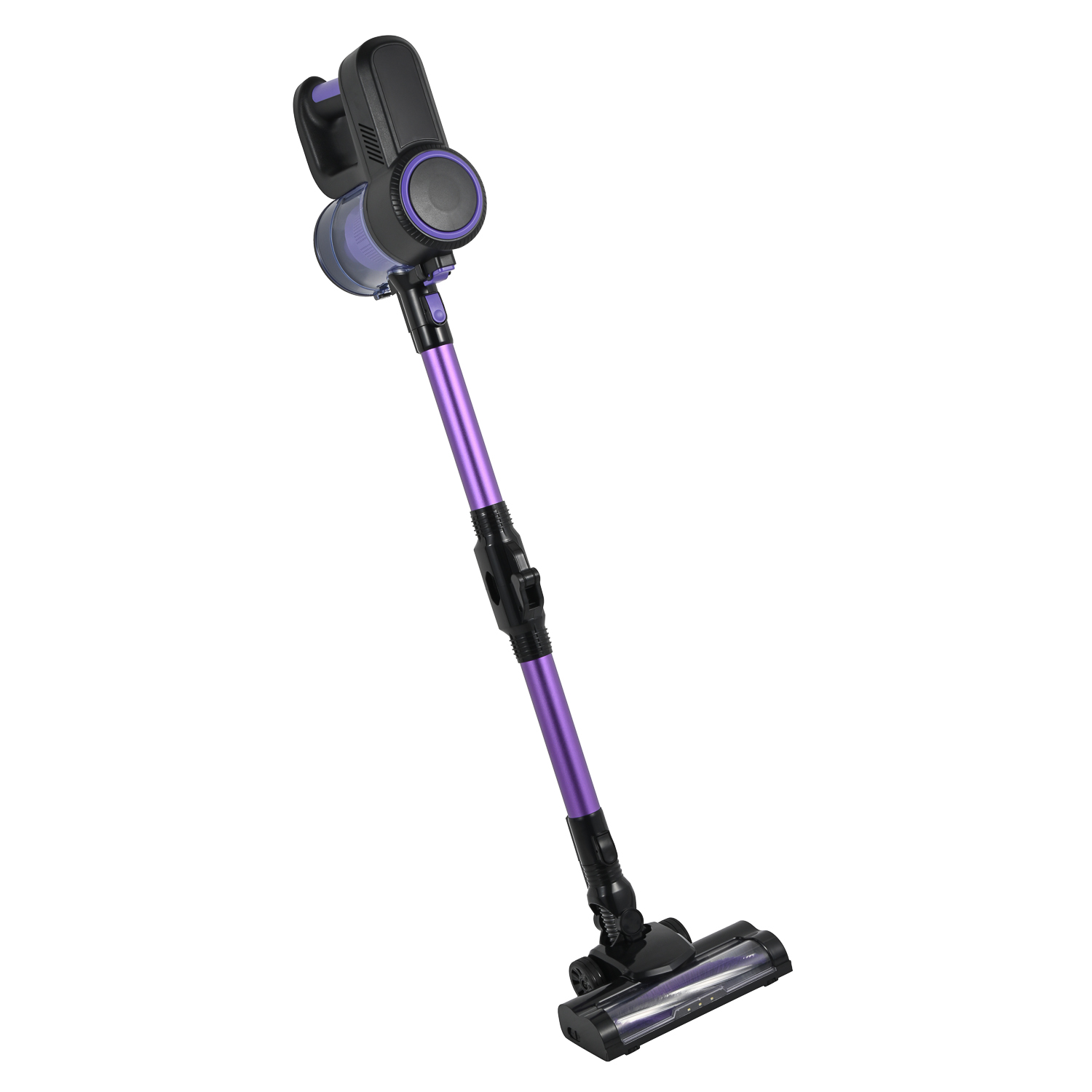
How Suction Power and Brush Roll Adaptability Define Dual-Surface Performance
Why Most Household Vacuum Cleaners Compromise on Either Carpet or Hard Floors
Most regular vacuums are designed to clean only one type of flooring. They all have built-in tradeoffs. For example, when creating a vacuum made for cleaning carpets, manufacturers will include strong agitation mechanisms to reach dirt in the deeper levels of the carpet, but this will throw dirt everywhere on a hard floor or even scratch the wood. When making vacuums for cleaning hard flooring, there is not enough suction to remove pet hair from the carpet or dust mites trapped in the carpet. A study from the Indoor Air Quality industry published in 2022 showed 79% of single surface vacuums fall below 50% effectiveness when attempting to vacuum different types of flooring. This leads to a lose-lose situation when dealing with different flooring materials. Either dirt pickup effectiveness is lost on carpets or wooden floors are at risk of being scratched. This is a matter of mechanics.
While vacuum cleaners that only use suction are not able to reach the carpet fibers, the large, rotating brushes designed for thick carpets rotate too quickly on unprotected hard surfaces.
How the Combination of Suction, Agitation, and Surface Protection Work Together to Clean Your Home
Typically, dual mode vacuum cleaners depend on built-in sensors or manual override switches to lock the vacuum into cleaning modes that are appropriate for the flooring type. When cleaning carpets, the best results are achieved when strong suction (> 120 AW) is combined with strong agitation. When cleaning hard wood or tile surfaces, the brush roll is designed to turn off, and the suction is optimized to maintain good airflow around 70 CFM. In addition, special soft wheel treads are designed to protect the surface from scratches. Studies show that models with adaptable systems can pick up and clean 92% of dirt and debris from carpets and hard surfaces. In contrast, older technologies with fixed modes can only clean 61% of dirt and debris. The most difficult part of this technology is maintaining a good seal on the system as you change cleaning modes.
Manufacturers spend a lot of time making automatic brush head transition mechanisms. This is because small leaks in suction power when the brush roll disengages can reduce overall performance by up to 33%.
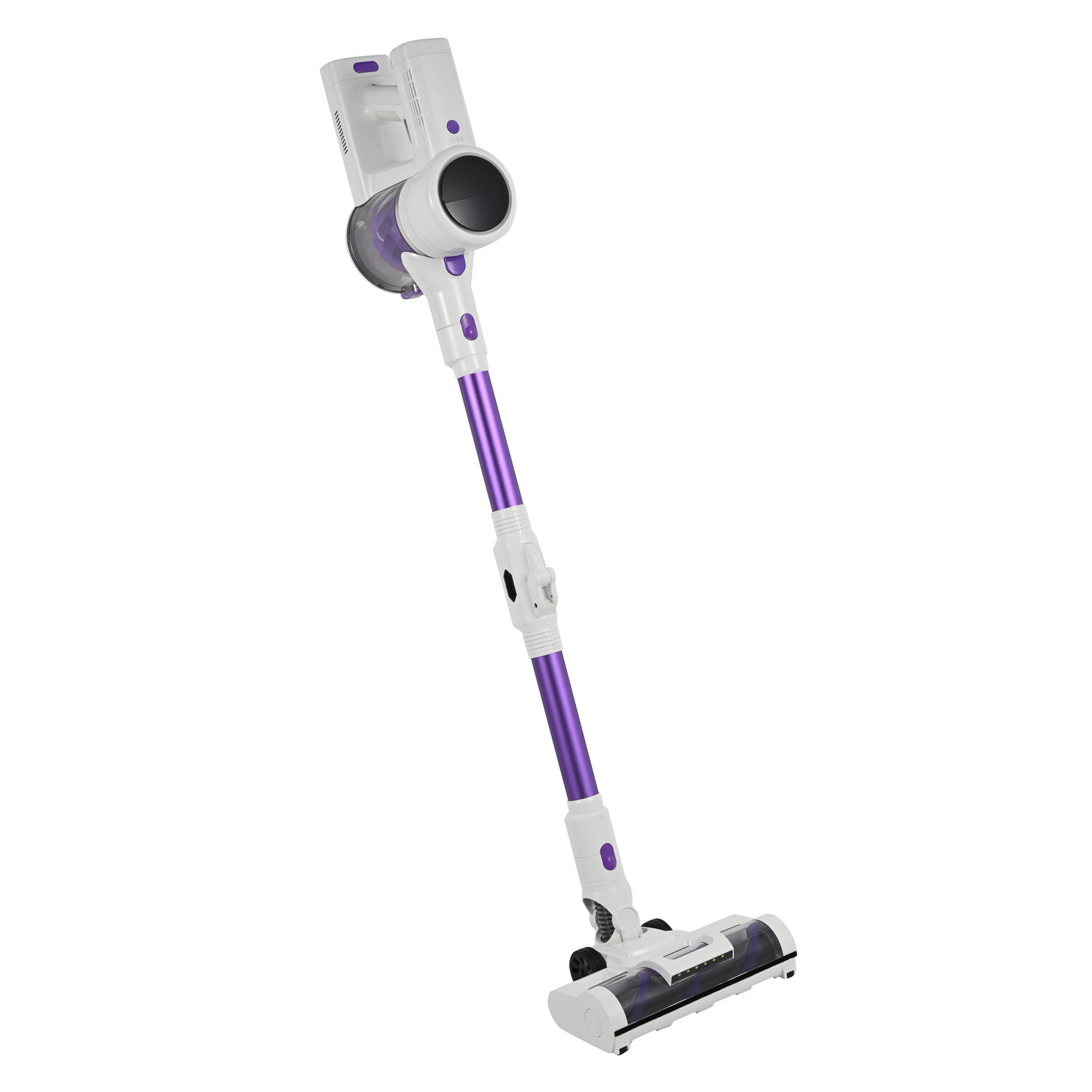
Essential Features for a True Multi Surface Household Vacuum Cleaner
Brush Roll Shut Off, Height Adjustment, and Soft-Tread Wheels— How they Prevent Damage and Maximize Pickup
These different features help make vacuums do their job better on different surfaces, and each one is meant to do something specific to help provide the best result. A brush roll shut off feature is great for making sure vacuums don't damage wood floors, but it can still pick up stubborn pet hair because the suction is strong. Height adjustable vacuums clean all types of carpet without
missing dirt because the vacuum knows how deep the carpet is. Often the soft surfaces of the wheel help to distribute the vacuums weight to help the vacuum slide better so the vacuum won't leave scratches on wood floors. One study showed that vacuums that have all of these features clean about 89% better and result in 73% less damage to floors. This is a great way to allow homeowners to have one great cleaner to allow their floors to all have a great clean for a long period of time while also saving time and money.
Upright vs. Canister vs. Cordless Stick: Which Type of Vacuum Cleaner Gets the Best Multi-Surface Overall Score?
What are the pros and cons of each type of home vacuum cleaner and how effective are they at removing debris based on the type of flooring?
Different models of vacuum cleaners show varying results based on the surface type. For example, upright vacuum cleaners typically provide about 94% of the total pickup on medium pile carpet. This is due to the combination of spinning brush and suction power. In 2025 Wirecutter reported these results. The downside is that if a user fails to switch attachments, the vacuum can scratch hardwood floors. Canister vacuums, on the other hand, offer a more user-friendly experience as you can separate the unit while cleaning. This is because the dirt container and the motor are separate. The suction power is also adjustable which decreases the chance of damaging the surface being cleaned. In addition, they tend to be as effective as upright vacuums. This is because they have retractable brushes, corner brushes, and other accessories that tend to increase the user’s ability to clean more thoroughly. The biggest downside, especially when you have to carry it upstairs, is that it takes up a lot of room. There is also the stick cordless vacuum which is supposed to be a lot easier to clean. When in fact, just like the other models, its has compromises as well.
Home user limitations (average of 15-20 minutes per cleaning session)
40% less deep-cleaning efficacy on high-pile carpets compared to plug-in models
Brush jamming occurs frequently due to hair wrapping around the brush
For homes with a combination of plush carpets and gentle hard floors, plug-in uprights or canisters with HEPA filtration that are sealed are likely to be better than cordless stick models in continuous debris removal. Models with automatic height adjustment and soft-tread wheels should be prioritized to improve cleaning surface transitions.
Top 4 Household Vacuum Cleaner Models Optimized for Both Carpet and Hard Floors
Riccar R25: Dual-Mode Brush Roll + Sealed HEPA System at Mid-Tier Value
What makes Riccar R25 special for multi surface cleaning? It’s unique dual mode brush roll system that detects which type of surface it’s cleaning. This vacuum even changes how hard it works depending on the type of surface it’s cleaning. For example, when going from medium pile carpet to smooth wood, the brush slows down 40% to prevent dust clouds. On the subject of dust, this vacuum comes with a HEPA filter that cleans 99.97% of the air and removes dust particles down to 0.3 microns. This vacuum also passed numerous independent laboratories in the country to test the vacuum and confirmed 92% debris pickup on the carpet versus hardwood floors. The vacuum also maintains the same amount of air flow even as debris is picked up. It also is capable of providing debris from the vacuum on the filter while cleaning the floor.
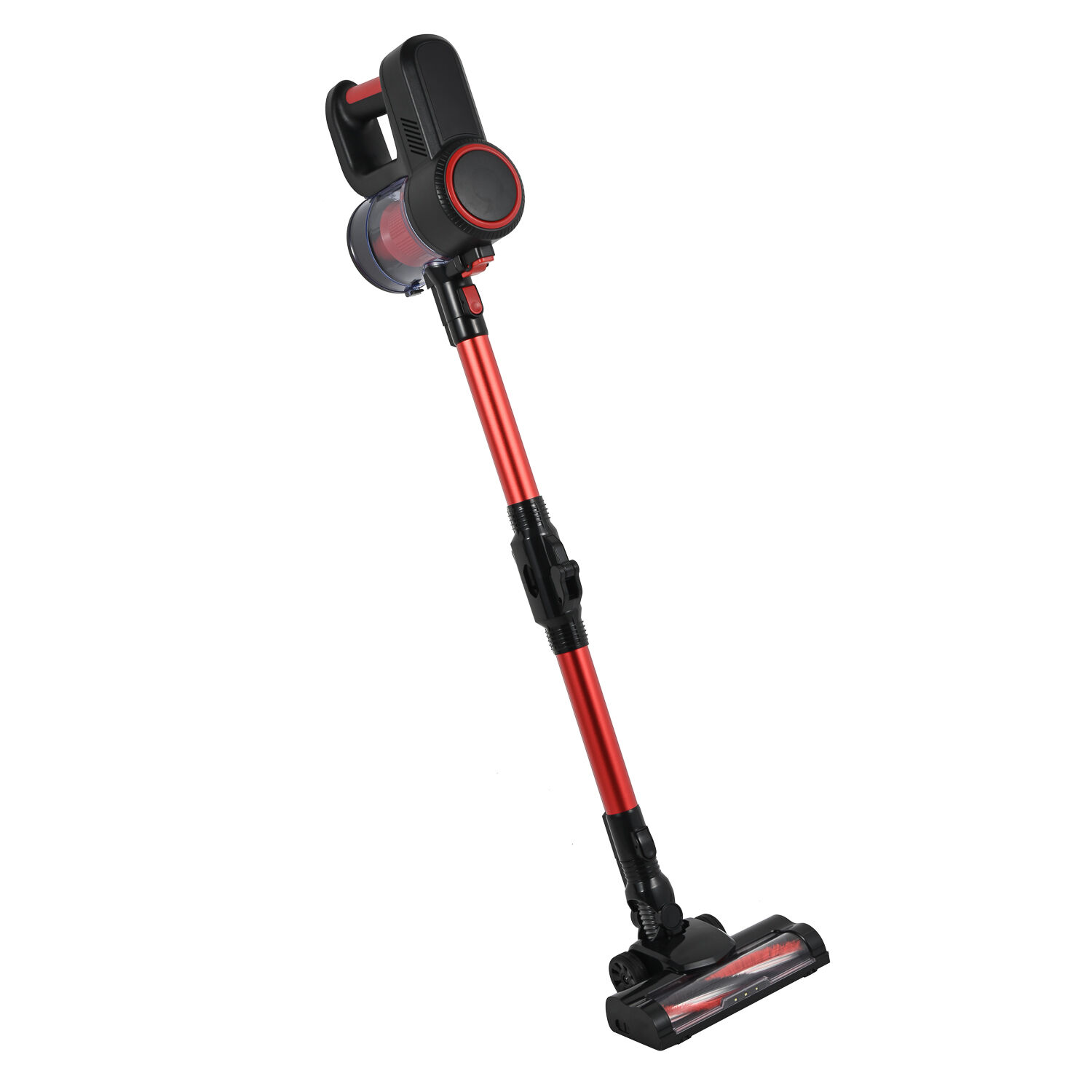
Miele C3 Complete Calima: Height Adjustment and Powerful Suction That Lasts
For suction power, Calima's Miele engineers apply their focus on vortex tech for consistency. The Calima model for example, actually adjusts the height of the cleaning head to avoid damage to carpet fibers and removes embedded dirt. This model has an impressive six stages of filtration which keeps suction power retention strong for 30 minutes of cleaning. Overall, the system maintains a strong seal so tiny dust particles don't recirculate to the air. The soft carpet bumpers on the edges stop scratches on walls and furniture. Vacuum users report on average, spent a third of their time cleaning missed spots. It is easy to see why this is a popular choice for professional home cleaning services.
SEBO Automatic X7 Premium: Innovative Design, Versatile Real-Time Floor Detection, 94% Surface Type Adjustment Accuracy, & Multi-Surface Detection
The SEBO X7 Premium has an exceptional feature whereby the vacuum automatically adjusts the brush height based on the surface type in less than \frac{1}{4} seconds and causes no scratches to sensitive surfaces since cleaning is performed to the full depth of the carpet fiber. SEBO X7 Premium has a floor and carpet height adjustable mechanism which has an almost 94% success rate of successfully cleaning vacuum carpet fibers, robust enough to handle any carpet pile height (short or long). With the SEBO X7 Premium, cleaning is easier as they have incorporated a user-friendly automatic cord reel mechanism, a feature any user would appreciate. One would appreciate ergonomically and well-balanced the throttle (cleaning mechanism) affect.
FAQ
What features make a vacuum compatible with multiple surfaces?
Features including brush roll shutoff, height adjustments, and soft-tread wheels, make a vacuum compatible with multiple surfaces, including both carpet and hard floor.
Why do vancuums find it difficult to clean dual surfaces?
Vacuums find it difficult to clean dual surfaces because they can be optimized or carpet or hard floors, which can lead to poor performance or damage of a certain flooring type.
In what way does SEBO X7 Premium assist in dual surface cleaning?
SEBO X7 Premium uses a sensor to determine what type of surface it is upon and can adjust brush height to clean effectively on hard floors and carpets.