 ×
×
In the competitive landscape of 2026, choosing a vacuum cleaner manufacturer requires looking beyond basic assembly capabilities and low-cost quotes. As global market demands shift toward smarter, more efficient, and durable cleaning solutions, a top-tier manufacturing partner must demonstrate leadership in core motor technology, advanced battery management, and strategic supply chain control. For B2B buyers—including distributors, retailers, and brand owners—selecting the right manufacturer is not just a procurement decision; it is a strategic investment that directly impacts product competitiveness, market penetration, and long-term profitability. This article breaks down the critical criteria to evaluate when vetting vacuum cleaner manufacturers in 2026, helping you identify partners that can elevate your product portfolio and support sustainable business growth.
1. Motor Innovation and R&D Capabilities: The Foundation of High-Performance Vacuums
The "heart" of any vacuum cleaner is its motor, and in 2026, industry leaders have moved far beyond standard brushed motors to embrace High-Speed Brushless DC (BLDC) motors—with rotational speeds exceeding 150,000 RPM. Unlike traditional brushed motors, BLDC motors offer superior energy efficiency, longer lifespan (often 3-5 times that of brushed alternatives), and significantly lower noise levels, addressing key consumer pain points in both residential and commercial segments. When vetting a manufacturer, it is essential to prioritize those with in-house R&D teams dedicated to optimizing airflow dynamics, acoustic engineering, and motor durability.
A leading manufacturer’s R&D capabilities should not stop at motor design; they should also focus on integrating motor performance with overall product functionality. For example, look for partners that conduct rigorous testing to balance high suction power (critical for deep cleaning carpets and capturing fine dust) with low noise emissions (a must for residential and office environments). Ask to review their R&D investment ratios, patent portfolios, and track record of innovation—such as the development of variable-speed motor technology that adapts suction to different surface types. Additionally, ensure the manufacturer can tailor motor specifications to your target market needs, whether it’s a high-power motor for industrial vacuums or an energy-efficient variant for cordless household models. In 2026, motor innovation is the primary differentiator between average and premium vacuum products, making it a non-negotiable criterion for manufacturer selection.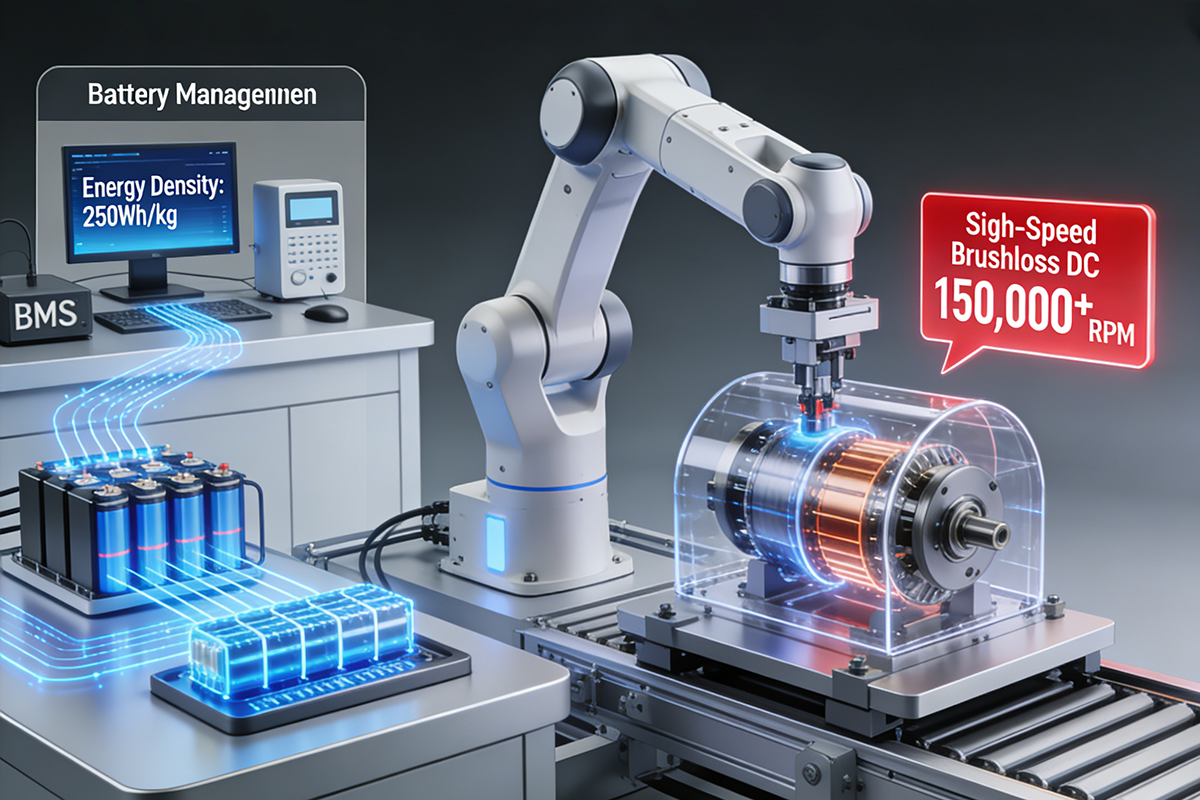
2. Battery Management and Energy Efficiency: A Make-or-Break Factor for Cordless Dominance
As cordless vacuum technology continues to dominate global markets—accounting for over 65% of residential vacuum sales in key regions like North America and Europe—a quality manufacturer must excel in Battery Management Systems (BMS) and energy efficiency. For consumers, battery performance directly influences purchasing decisions: runtime, charging speed, and long-term reliability are top priorities. A robust BMS ensures the longevity of lithium-ion cells by preventing overcharging, over-discharging, and thermal runaway, while also maximizing runtime per charge through intelligent power distribution.
When evaluating manufacturers, don’t just ask about battery capacity; dig deeper into their BMS technology and safety protocols. Request data on energy density (a key indicator of runtime), cycle life (how many charge-discharge cycles the battery can withstand before degrading), and safety testing results—including certifications for rapid charging without overheating. Leading manufacturers will also have processes in place to source high-quality lithium-ion cells from reputable suppliers and conduct in-house battery testing to ensure consistency across production batches. For B2B buyers, partnering with a manufacturer that prioritizes battery innovation translates to products with stronger market appeal: imagine offering a cordless vacuum with 60+ minutes of runtime and fast-charging capabilities (e.g., 80% charge in 30 minutes)—features that can set your brand apart from competitors. In 2026, battery performance is no longer an add-on; it is a core requirement for success in the vacuum cleaner market.
3. Strategic Supply Chain Integration: Ensuring Reliability and Scalability
In an era of global supply chain volatility—marked by component shortages, shipping delays, and rising material costs—a reliable vacuum cleaner manufacturer must have a "vertical" supply chain strategy. Vertical integration means the manufacturer controls the production of critical components, from plastic injection molding (for vacuum housings) and PCB assembly (for electronic controls) to motor winding and battery pack integration. This level of control offers multiple advantages for B2B partners, starting with reduced lead times: by eliminating dependencies on third-party component suppliers, the manufacturer can accelerate production schedules and meet tight order deadlines.
Moreover, vertical supply chain integration ensures strict quality consistency across large-volume orders—a critical factor for maintaining brand reputation. When a manufacturer oversees every stage of component production, they can implement uniform quality control standards, reducing the risk of defective parts and product recalls. Additionally, vertical integration provides greater flexibility in customization and cost management: if you need to adjust product specifications (e.g., changing housing materials for better durability) or respond to fluctuating material prices, the manufacturer can adapt quickly without relying on external suppliers. When vetting manufacturers, ask for details on their supply chain infrastructure—including in-house production facilities, component sourcing networks, and contingency plans for supply disruptions. Look for partners with ISO 9001-certified quality management systems and a track record of fulfilling large-scale orders on time, even during peak demand periods.
Conclusion: Prioritize Long-Term Partnership Potential
Selecting a leading vacuum cleaner manufacturer in 2026 requires a holistic approach that evaluates technical expertise, innovation capabilities, and supply chain resilience. By focusing on motor R&D, battery management excellence, and vertical supply chain integration, you can identify partners that not only meet current market demands but also have the agility to adapt to future trends—such as the integration of AI-powered cleaning features or compatibility with smart home ecosystems. Remember, the best manufacturer is not just a supplier; they are a long-term partner that understands your business goals, supports your customization needs, and helps you navigate the complexities of the global vacuum cleaner market. By prioritizing these critical criteria, you can build a product portfolio that stands out in 2026’s competitive landscape and drives sustainable growth for your business.
Ningbo Texous Electrical Appliances Co.,Ltd provides professional vacuum cleaners, steam cleaners & floor washers for global B2B clients. OEM/ODM expertise, ISO-certified quality, 100+ international customers. Request a quote today.
Zhejiang, Ningbo, Yuyao, MazhuTown, ZhubeiVillage, Emei Mountain, Bridge Road No.2, Texous Electric Appliances Co., Ltd.
Copyright © 2026 by Ningbo Texous Electrical Appliances Co.,Ltd Privacy Policy

 EN
EN



 Hot News