
 EN
EN



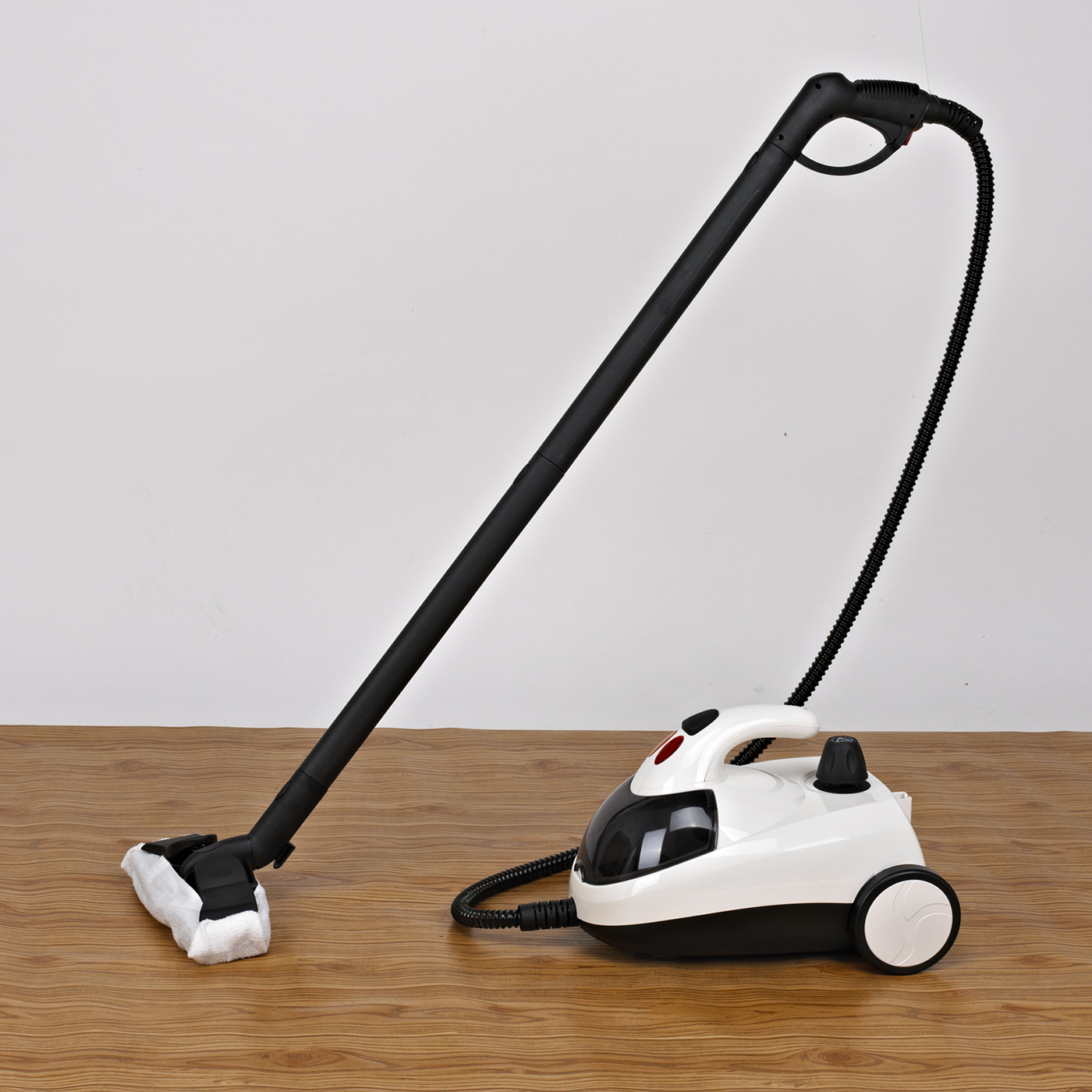
Children are more vulnerable to injury than adults when using high-pressure steam cleaners for several reasons. Kids’ skin is typically about half as thick as adults. This means that children get severe burns from exposures to much lower temperatures than adults. High-pressure steam cleaners operate at about 149 °F (65 °C), so in just 2 seconds a child can suffer a 3rd degree burn. An adult would never think that this would happen so fast. This is even more serious considering that children do not reflexively move away from hot objects as quickly as adults. Additionally, steam actually goes through clothing, so a child could suffer a serious scalding injury over a large area very quickly. Because of the danger, children should definitely not be within 8 feet of a high-pressure steam cleaner when in operation. It is better to keep everyone further away than arm’s length from the cleaner.
Pressure hazards: Steam cleaner scalding vs. scalding and skin laceration from pressure jets
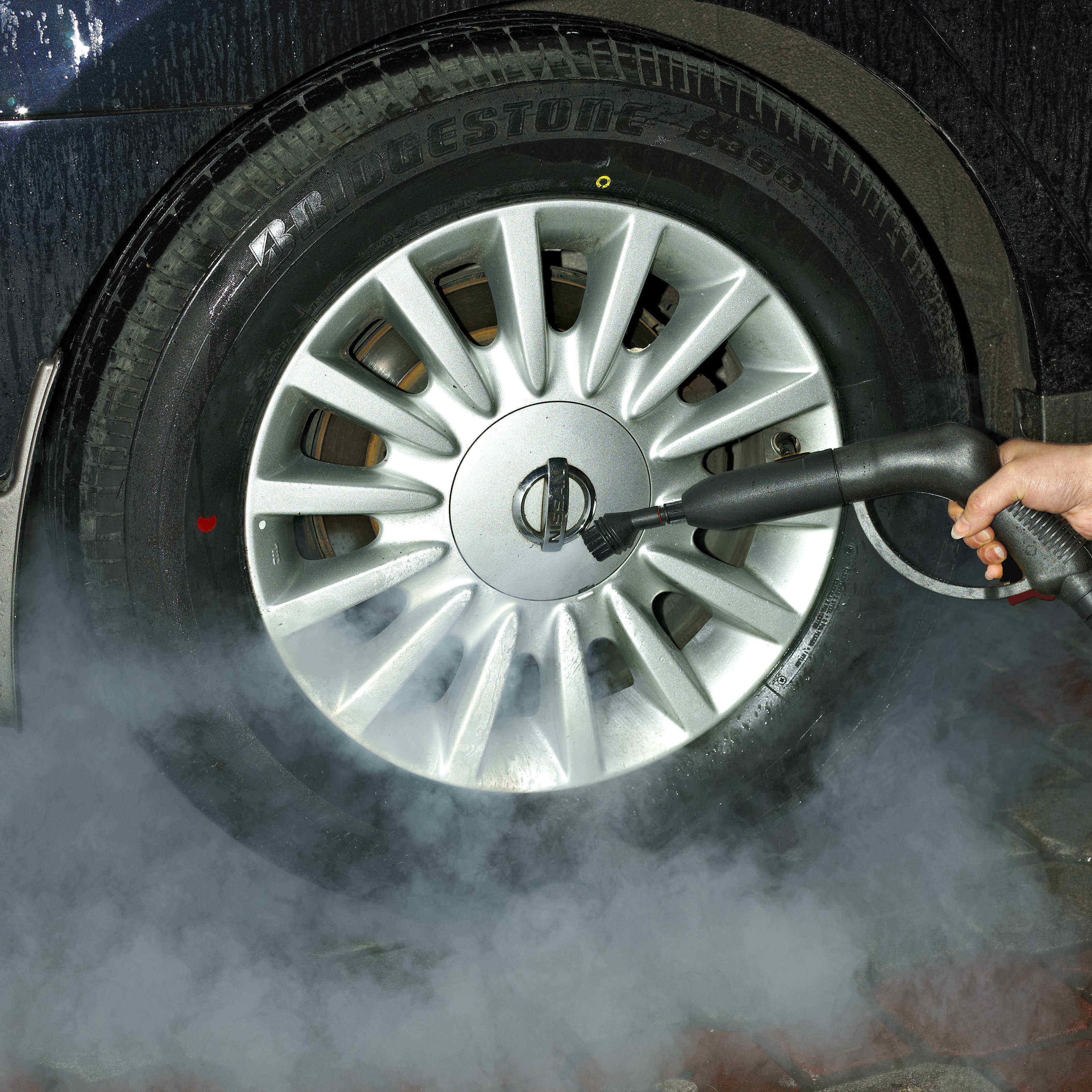
Steam cleaners that create 1500 to 3000 pounds per square inch are different from typical steam mops and create two types of injuries. If someone gets too close to the nozzle, the high-pressure jet stream injures skin by penetrating it, and injures skin by rupturing it from very close distances. It also violently impacts and propels particles located on the floor. Regular steam does not do that. High pressure steam is also known to cause much more severe injuries than what the average person's steam injuries are. It is known by physicians that super heated and high pressure steam causes more severe injuries than the average person's steam injuries. The CDC has recorded severe steam injuries at pressures as low as 15 psi. Children are more at risk of injury as they appreciate the nature of the device and tend to closely inspect the items. Injuries from these events range from soft tissue injuries, to injuries to the eye, to injuries that are do not have tissue that is reproductive in nature.
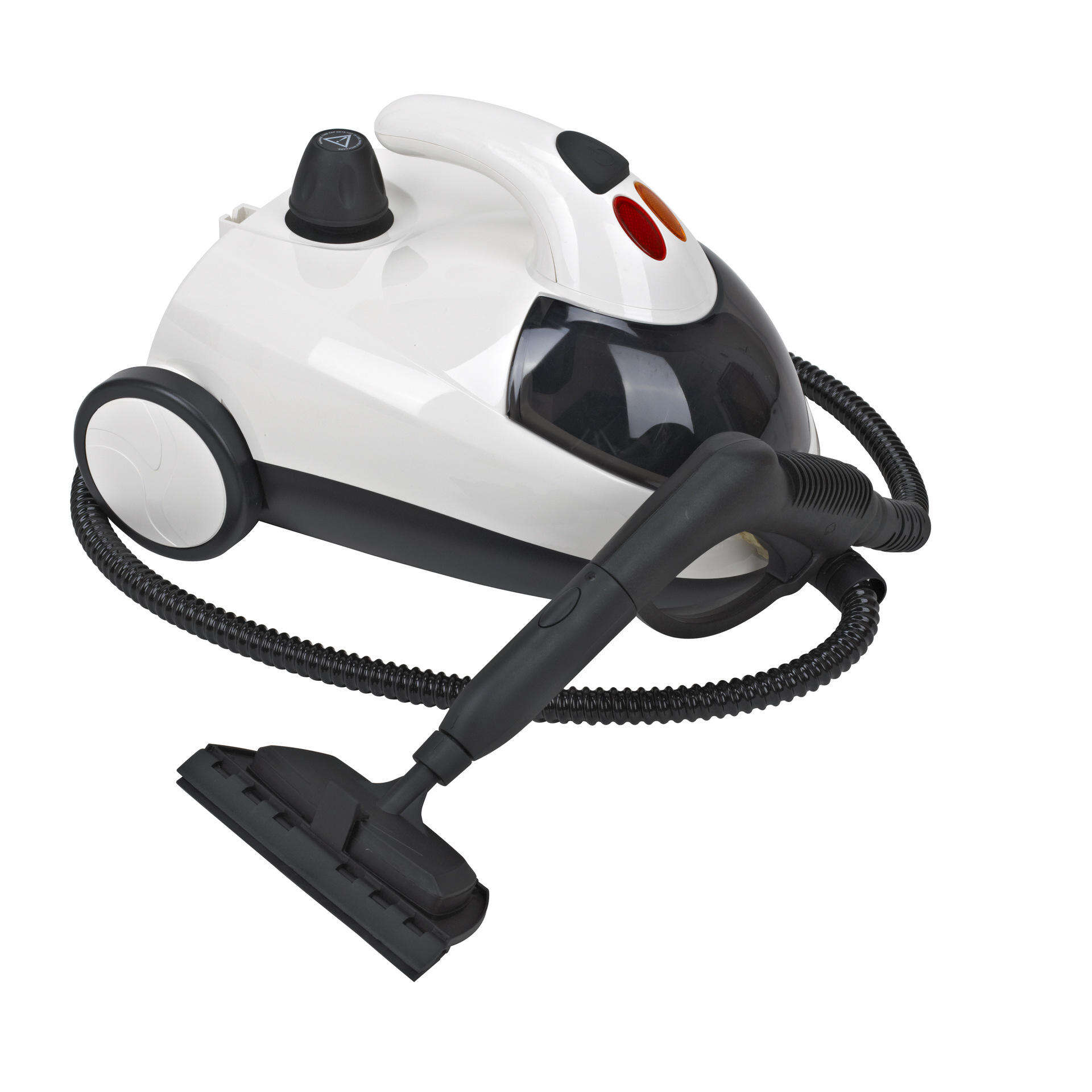
Keeping Everyone Safe: Using a High-Pressure Steam Cleaner in a Home with Kids
Creating and adhering to a bye-bye kid’s safety zone
Safety zones of 8 feet around active cleaners have been recommended and steam and pressure have been cited as primary reasons for having that safety area plus added area for steam drift and hose snap back. There is also the danger of small parts flying off of a loose hose. For smaller children (younger than age 5) use a hardwood or similar gate to block off the safety zone. Children (older than age 5) respond better to brightly colored tape or other visual markers as a way to indicate a boundary. The length of time a steam cleaner is hot and pressurized after use is about 15 minutes so other adults and children should remain outside the safety zone even when the cleaner is off. Supervision of children outside the danger zone is important. Cleaners should be put away as soon as a job is done to prevent children from touching the equipment. Adult supervision of children outside the safety zone is important to reduce the likelihood of children investigating the equipment.
Without forethought, open windows or fans can create hidden hazards by carrying steam much farther than we anticipate.
Why High Pressure Steam Cleaners Are To Dangerous For Kids To Use
Kids simply don't have the muscle power or the brain development needed to cope with the demands of the work, to identify the risks involved, or to manage the situational demands of operational tasks, including the risk of electrical fires, loose or unstable working surfaces, and sudden pressure increases, or the presence of puncture hazards, or the risks of being burned by steam or hot water. We have observed even teenagers struggle with the demands of the task to quickly respond to the equipment when it begins to operate in an unexpected or unsatisfactory manner. Fortunately, operating such equipment should be limited to 18 years of age or older and should have read the operations manual and has been trained in the use of the equipment under supervision. Young workers should be assigned to clean work areas away from steam operations, work areas where equipment is operated in a manner that is free of steam, or work areas where the equipment is clean and organized. Review of injury incident reports indicates that most incidents were a consequence of someone attempting to do work that exceeded the limits of their capability to make safe and sound decisions. Therefore, establishing an age limit is a good practice that promotes safety.
Disinfecting Children's Toys With A High-Pressure Steam Cleaner
Cleaning Baby Toys and High-Touch Surfaces
Pressure steam cleaning is one of the few ways a surface can be cleaned and disinfected without the use of chemicals. Pressure steam cleaning is great for cleaning kids’ stuff, but only if it is done correctly. Tests show that steam cleaning at around 200 degrees celsius is able to eliminate 99.9% of all germs on smooth, non-porous surfaces in a contact time of about 15 seconds. This is actually better than what the FDA recommends for cleaning and disinfecting surfaces in the areas where we place our babies. Always check the heat tolerance of each individual component of an item before utilizing steam on it, to ensure that it will withstand the heat.
Porous objects (e.g., stuffed toys) absorb water + foster microbial regrowth—complete steam avoidance is essential.
Plastic toys require around 30 seconds of direct steam contact to avoid deformation or chemical leaching.
Electronics, painted surfaces, + laminated surfaces reach dangerous thermal levels, so steaming is never allowed.
Important no-steam areas: areas surfaces + places where high-pressure steam cleaning is dangerous to children.
High-risk areas where children are present are dangerous + steam cleaning is never allowed:
Cushioned surfaces of cribs + playmats: steam cleaning can penetrate the seams of mattresses, creating concealed thermal hazards.
Carpet: trapped steam can raise subsurface steam to greater than 70C (158F) instantaneously.
Unsealed wood: rapid warping and splintering within 20 seconds of exposure is physically dangerous.
Electronics + battery-powered devices: steam infiltration is a serious short-circuiting + thermal runaway risk to lithium batteries + can result in a dangerous thermal run away.
Testing shows almost instant scald risk within 0.5m of a steam cleaning device, so a 3m minimum exclusion zone is required.
FAQ
Why is there an increased risk of burns to children from high-pressure steam cleaning devices?
Children are more susceptible to burns from high-pressure steam cleaning devices because of the thinner skin of children.
How far should children stay from a running steam cleaner?
Children should stay at least 10 feet away to ensure safety from steam drifting unexpectedly and to avoid steam hose recoil.
Can children use high pressure steam cleaners?
Absolutely not, high pressure steam cleaners should only be used by those 18 and older.
What materials should never be steamed?
Never steam electronics, painted surfaces, and laminated surfaces, as these materials exceed safe thermal thresholds.